
Fiber Splicing Vs Connectors
Search optical fiber, connectivity, cable management and network infrastructure references.
-
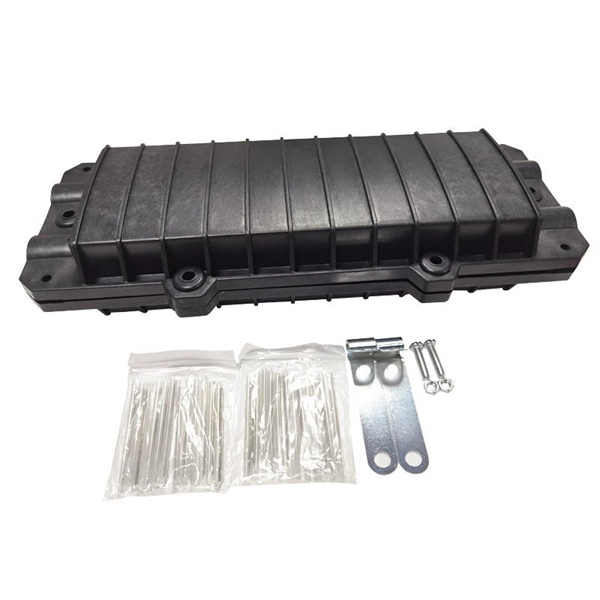
What are the methods for cold splicing transparent fiber optic connectors
There are four main termination methods: field polishing, pre-polished (anaerobic) connectors, fusion splicing, and mechanical splicing. Each has distinct advantages and is suited to different installation scenarios. Mechanical splices are used to create permanent joints...
[PDF Version]
-
Which is more durable fiber optic FC or SC connectors
Data Centers → LC connectors dominate due to compact size and compatibility with SFP modules. This comparison focuses squarely on the four most common field connectors — LC, SC, ST, and FC — so you can pick the right tool for a given port type, transceiver, or installation...
-
Multimode fiber optic connectors for space stations
They support both single-mode (SM) and multimode (MM) fibers and are widely used in space-constrained environments requiring high fiber counts. Aerospace engineers have used Amphenol connectors in everything from low Earth orbit (LEO) satellites that make advanced. Multimode...
[PDF Version]
-
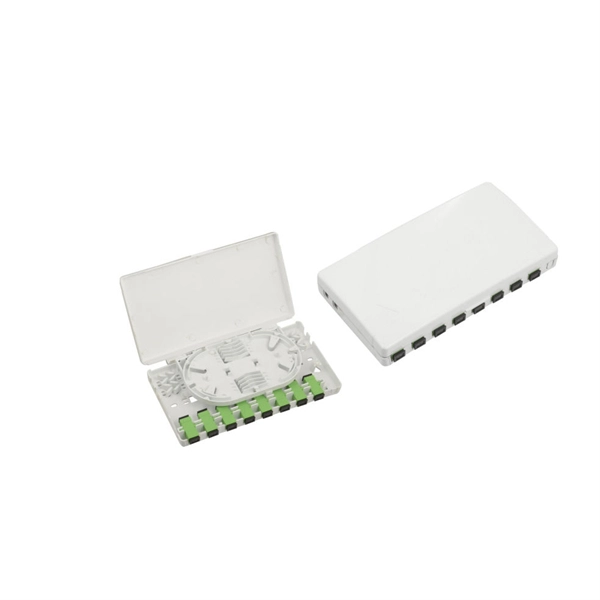
Outdoor cabinet fiber splicing
Manufacturers design fiber optic cabinets to protect fiber optic cables in indoor and outdoor environments. Also known as fiber optic enclosures or fiber entrance cabinets, these enclosures act as hubs where cables can be spliced, organized and routed through areas inside or...
[PDF Version]
-
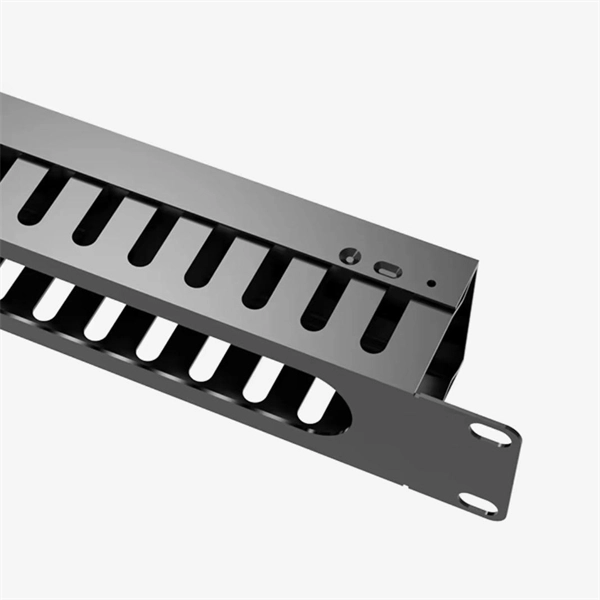
Multi-core fiber sheath and pigtail splicing
Fusion splice techniques for multicore fibers (MCFs) are discussed here. We demonstrate a swing electrode system for uniform discharge and an end-view function for automatic and precise core alignmen.
-
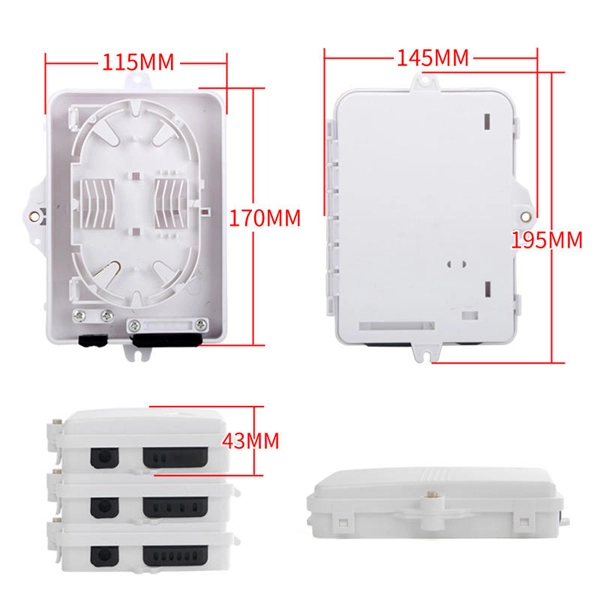
Are fiber optic flange connectors stable
Most fiber connectors adopt zirconia ceramic ferrules for precision alignment and stable optical performance. The distinction between flanged and flangeless adapters is purely mechanical. Unlike fiber splicing, which is permanent, connectors allow for easy connection and...
[PDF Version]
-
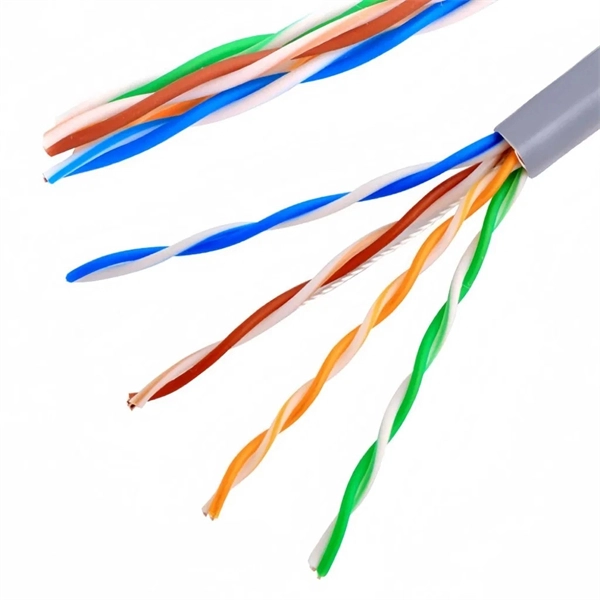
High attenuation after fiber optic cable splicing
Fiber misalignment is a byproduct of the splicing process and can occur with any splice. Intrinsic factors, such as the refractive index of the fiber, are those that are inherent to the fiber itself. High attenuation makes your system not work well. You should fix it fast to...