
Fiber Polarity Everything You Need To Know
Search optical fiber, connectivity, cable management and network infrastructure references.
-
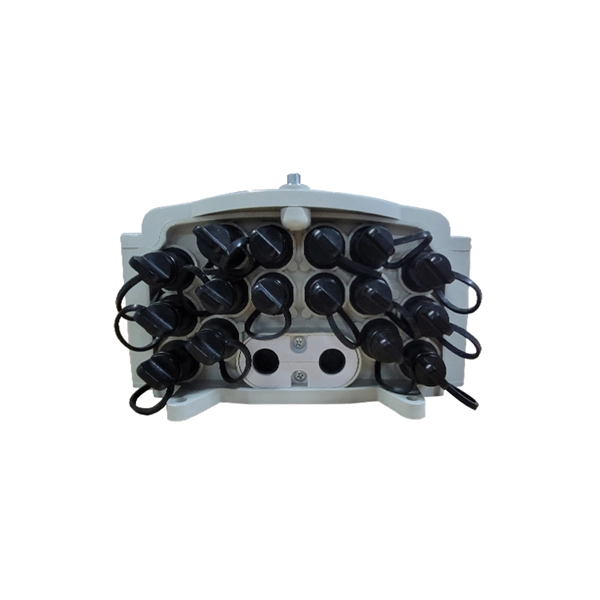
Does a fiber optic cold connector need grinding
It does not require the use of a fiber fusion splicer or a grind during termination. When polishing a fiber optic connector, by polishing machine, there are procedures and setting parameters designed to leverage the machines best practices as well as previous developments and...
[PDF Version]
-
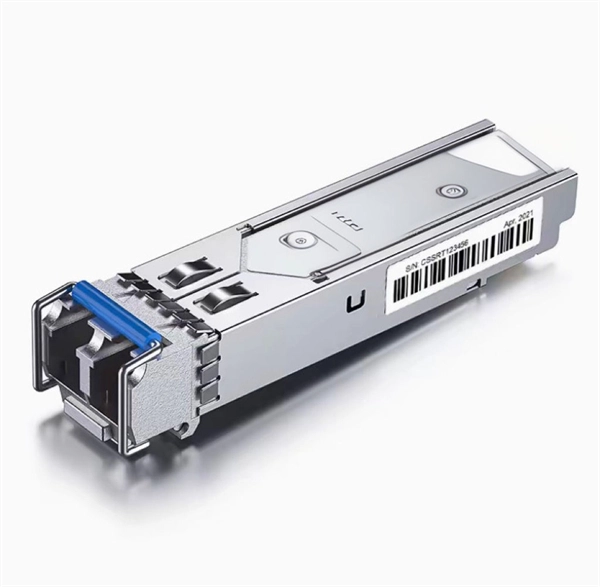
Does a 100m fiber optic connection still need a router
While fiber internet doesn't require a modem, you still need a router to distribute the connection across your network. Your router works hand-in-hand with the ONT, taking the internet signal and spreading it wirelessly or through Ethernet cables to all your connected...
[PDF Version]
-
Polarity of Duplex Fiber Optic Patch Cord
0 Standard (Commercial Building Telecommunications Cabling Standard) defines the A-B polarity scenario for discrete duplex patch cords, with the premise that transmit (Tx) should always go to receive (Rx) — or "B" should always connect to "A" — no matter how many. The...
[PDF Version]
-
Does fiberglass rigid pigtail fiber need to be colored
Each individual pigtail is color coded according to industry standard TIA-EIA-598-A. Understanding fiber‑optic color codes is essential for any technician tasked with installing, maintaining, or troubleshooting modern fiber networks. By adopting the TIA/EIA‑598C standard, you...
-
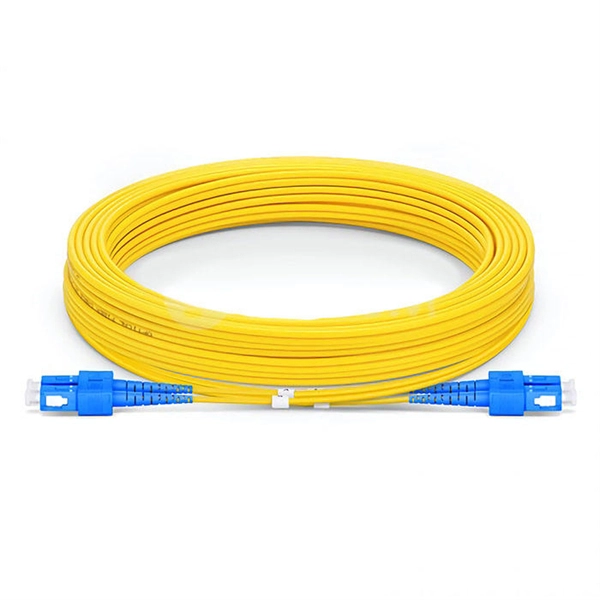
Why do fiber optic cables used in broadcasting need to be angled
When fiber optic cable bends exceed the minimum bend radius, it can cause light signals to leak out of the fiber, significantly increasing insertion loss (i., attenuation) and degrading transmission performance. Proven by rich experience and experimental verification, an...
[PDF Version]
-
Why do fiber optic connectors need to be slightly bent
Exceeding the minimum bend radius for fiber optic cable causes two major problems: Both macrobending and microbending increase attenuation, especially in high-speed links such as 40G, 100G, and 400G Ethernet. It is measured from the inside of the bend, not the outer curve...
[PDF Version]