
Fiber Optic Switches Information
Search optical fiber, connectivity, cable management and network infrastructure references.
-
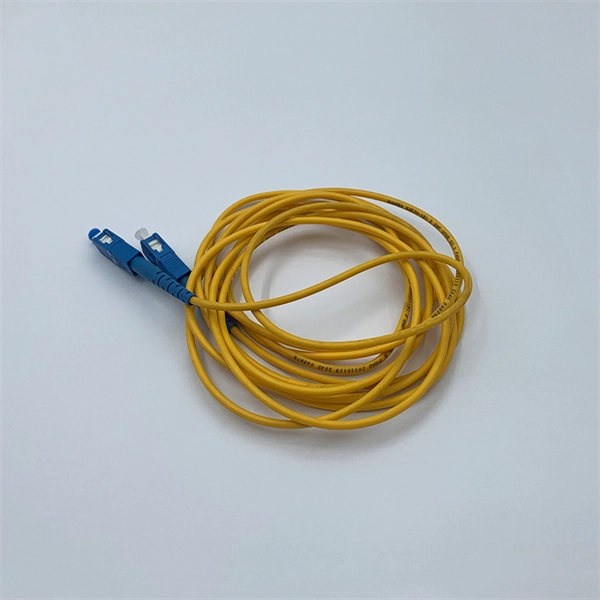
Hot-plugging of fiber optic switches
A hot plug transceiver, often seen as an SFP, SFP+, QSFP, or similar module, allows network administrators to insert or remove the optical transceiver from a switch, router, or server port while the system remains powered on. The hot-pluggable feature of optical transceivers...
[PDF Version]
-
How to split fiber optic cable between two switches
You use optical couplers and splitters to split or join signals in fiber networks. DWDM/CWDM is like a two-edged sword. For a small fee (the procurement of the modules and the circulator) you can split/splice one physical fibre optic cable into multiple pairs. Splitters come...
-

Converting communication switches to fiber optic cables
Conversion uses hardware that translates optical signals to electrical signals. Options include standalone media converters, switching converters for rate conversion, SFP transceivers (fiber or copper), and managed switches with both fiber and copper ports. They are commonly...
[PDF Version]
-
How to network SFP fiber optic transceivers and fiber optic switches
Most modern fiber-enabled network switches require an SFP transceiver module featuring a duplex (two strand) multimode OM3 or duplex single mode OS2 connection with LC connectors. Direct attach cables with pre-terminated SFP connections may also be used. It converts...
[PDF Version]
-
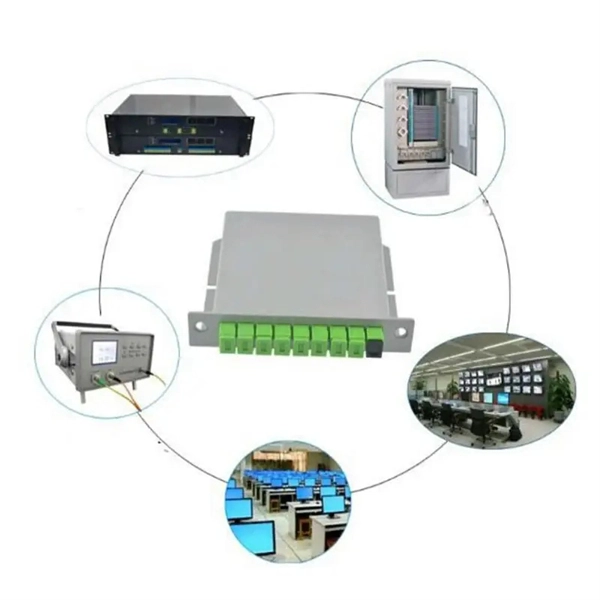
Fiber optic switches in telecommunications data centers
This article provides an overview of optical switch architectures for next-generation data center and high-performance computing (HPC) networks. This paper first summarizes the topologies and traffic characteristics in data centers and analyzes the reasons and importance of...
-
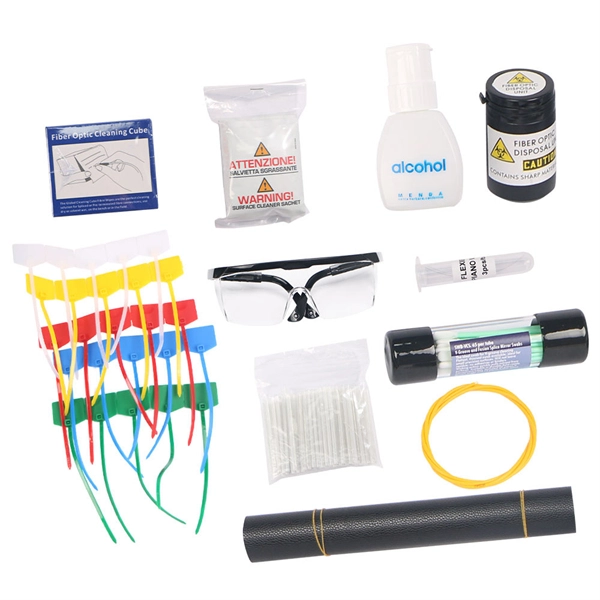
Advantages of setting up fiber optic switches
Lower loss: Optical fiber has lower attenuation (loss of signal intensity) than copper conductors, allowing longer cable runs and fewer repeaters. No sparks or shorts: Fiber optics do not emit sparks or cause short circuits, which is important in explosive gas or flammable...
[PDF Version]
-
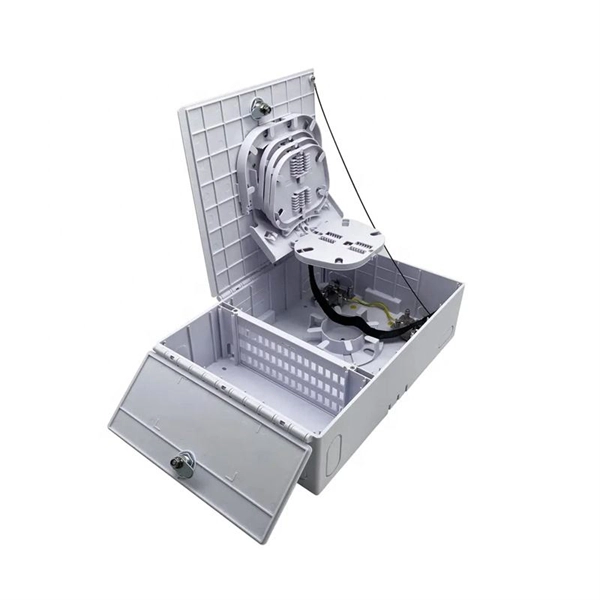
Parallel connection of fiber optic switches
Parallel fiber optic switches are a specialized type of optical switch designed to handle multiple optical channels simultaneously. This essay will explore the principles, architectures, applications, and challenges associated with these crucial components of modern. A...
-
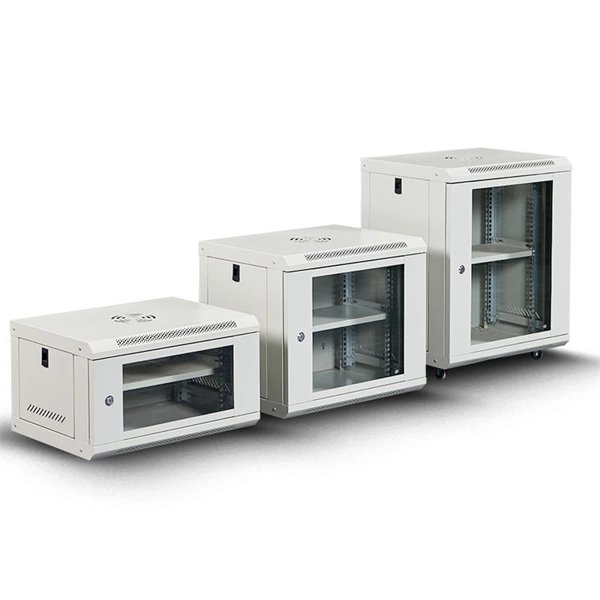
Fiber optic Ethernet switches are resistant to high temperatures
Typically, the temperature tolerance range for standard commercial-grade switches is about 0°C to 45°C (32°F to 113°F), while the temperature range expands to approximately -40°C to 85°C (-40°F to 185°F) for industrial-grade equipment. With more and more outdoor applications...
[PDF Version]