
How can one identify a broken fiber optic cable?
To identify a broken fiber optic cable, start by performing a visual inspection for any physical signs of damage, such as bends, cracks, or breaks...
Search optical fiber, connectivity, cable management and network infrastructure references.
Most modern fiber-enabled network switches require an SFP transceiver module featuring a duplex (two strand) multimode OM3 or duplex single mode OS2 connection with LC connectors. Direct attach cables with pre-terminated SFP connections may also be used. It converts...
[PDF Version]
Typically, the temperature tolerance range for standard commercial-grade switches is about 0°C to 45°C (32°F to 113°F), while the temperature range expands to approximately -40°C to 85°C (-40°F to 185°F) for industrial-grade equipment. With more and more outdoor applications...
[PDF Version]
A hot plug transceiver, often seen as an SFP, SFP+, QSFP, or similar module, allows network administrators to insert or remove the optical transceiver from a switch, router, or server port while the system remains powered on. The hot-pluggable feature of optical transceivers...
[PDF Version]
A fiber optic distribution box, also known as a fiber optic terminal box or fiber optic termination box, is a device used to connect and manage fiber optic cables in a network. Fully tested and ready for installation. Choose Ethernet Cable solutions for all applications...
[PDF Version]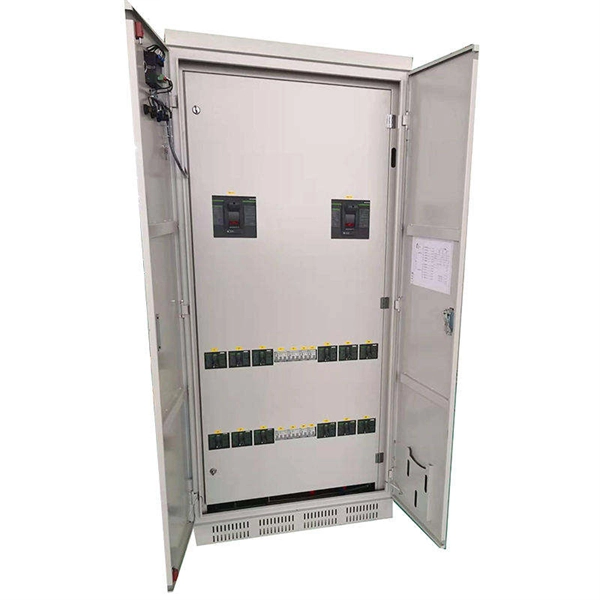
Cable management: Panels integrate guides, trays, and strain relief to prevent stress on adapters and connectors. Labeling: Ports are numbered/labeled for troubleshooting and documentation. Dust protection: Shuttered adapters or flip-down dust covers are used in panels to. A...
[PDF Version]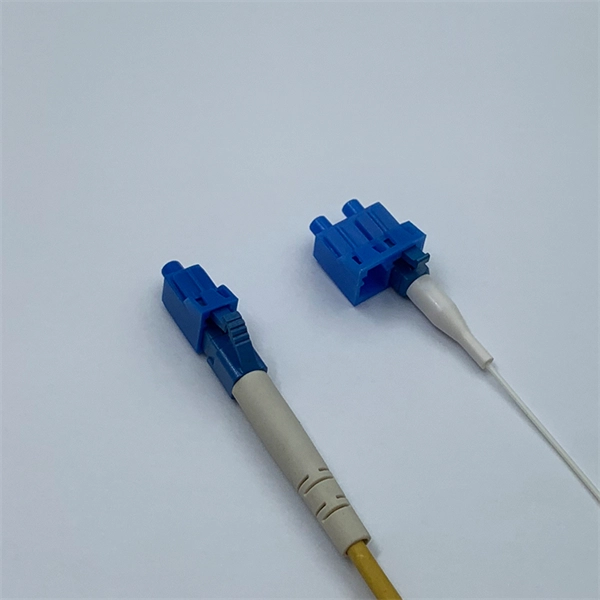
These cards are designed for an internal PCIe slot of a system, feature small form factor pluggable (SFP) ports and will provide wired connectivity based on Ethernet at speeds up to 100Gb/s. SFP+ and SFP28 PCIe network cards for ultra-fast fibre networking. Fiber NICs come...
[PDF Version]
You use optical couplers and splitters to split or join signals in fiber networks. DWDM/CWDM is like a two-edged sword. For a small fee (the procurement of the modules and the circulator) you can split/splice one physical fibre optic cable into multiple pairs. Splitters come...
Conversion uses hardware that translates optical signals to electrical signals. Options include standalone media converters, switching converters for rate conversion, SFP transceivers (fiber or copper), and managed switches with both fiber and copper ports. They are commonly...
[PDF Version]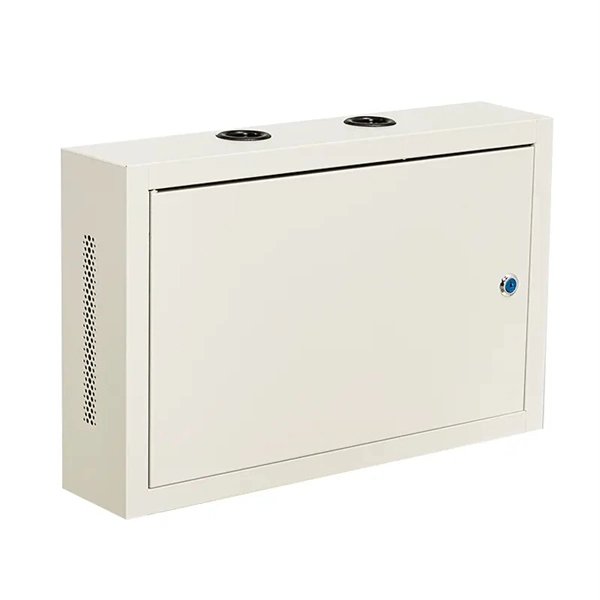
Fiber optic testing tools are essential for ensuring network reliability, performance, and proper installation. Devices such as Optical Power Meters, OTDRs, and Visual Fault Locators help technicians measure signal loss, locate faults, and verify fiber integrity. Optical...
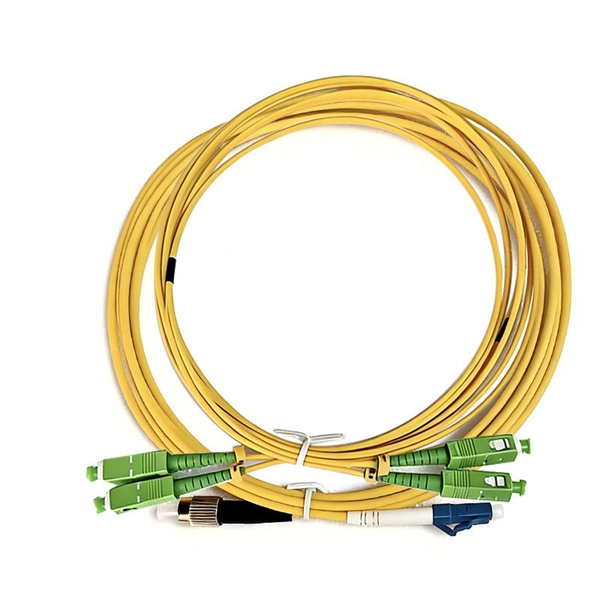
Fiber Optic Troubleshooting: Expert Guide for Common Troubleshoot fiber optic issues like a pro with our expert guide. Resolve common problems and ensure s.
[PDF Version]To identify a broken fiber optic cable, start by performing a visual inspection for any physical signs of damage, such as bends, cracks, or breaks...
There are several methods to test fiber optic cables without a tester. One method is using a visual fault locator (VFL), as mentioned earlier, to v...
Intermittent fiber optic connections can be caused by a variety of factors, including: Poorly terminated connectors or splices that result in unsta...
Share the fiber interfaces, termination capacity, cable route and evidence required for handover.