DOLPHIN FIBERNetwork equipment for Africa Send a project enquiry
Fiber network equipment / Technical library Optical reference library

Fiber optic communication box damaged

Jump to a section
Source context

AI source overview

A damaged fiber optic communication box can disrupt network performance, but proper inspection, repair, and maintenance can restore reliable connectivity.

Common Causes of Damage

Fiber optic communication boxes, also known as terminal boxes, can be damaged due to several factors: Physical Damage: Accidental impacts, construction activities, or vandalism can crack or deform the box, affecting the fibers inside. Environmental Exposure: Poor sealing or low-quality materials can allow dust, moisture, or temperature extremes to degrade the fibers and components. Poor Fiber Management: Overcrowding, tangling, or improper bending of fibers inside the box can lead to microbends or macrobends, causing signal loss.

Component Quality: Substandard connectors, splices, or adapters can fail or degrade performance over time. Improper Installation or Maintenance: Mishandling fibers, failing to seal the box, or inadequate labeling can complicate repairs and increase the risk of damage.

Identifying the Problem

Signs of a damaged fiber optic box include: Signal Loss or Intermittent Connectivity: Sudden drops in network performance or complete outages. Visible Damage: Cracks, bent fibers, or frayed cables inside the box.

Error Messages or LE

D Indicators: Loss of signal (LOS) lights on transceivers or network devices. Using an Optical Time-Domain Reflectometer (OTDR) can help locate internal breaks or faults that are not visible externally.

Repair and Maintenance Steps

Visual Inspection: Check for obvious damage, bent fibers, or loose connectors. Locate Faults: Use OTDR or power meters to identify breaks or high-loss points. Remove Damaged Sections: Carefully cut out broken or frayed fibers using a fiber optic cutter.

Prepare Fibers for Splicing: Strip the protective jacket, clean, and cleave the fiber ends precisely. Splice or Connect: Use fusion splicing or mechanical connectors to restore continuity. Test Signal: Measure signal loss after repair to ensure low-loss, reliable connections.

Organize and Label: Properly route fibers inside the box, label all connections, and ensure the box is sealed against environmental factors.

Preventive Measures

Use high-quality, weather-resistant boxes and components. Avoid overcrowding fibers and maintain proper bend radius. Perform regular inspections and cleaning of connectors and splices.

Keep accurate documentation and labeling for easier maintenance and troubleshooting. By following these steps, a damaged fiber optic communication box can be effectively repaired, minimizing downtime and maintaining network reliability.

Research context

Reference summary

7 Common Issues Requiring Professional Fibre Optic Cable RepairsDiscover 7 frequent fibre optic cable problems that require expert repairs to ensure optima.

From reference to enquiry

Questions for your project

Use these editorial prompts alongside the linked excerpts. They identify items to confirm for your project.

Detailed reading / connection to installation

Fiber infrastructure reference
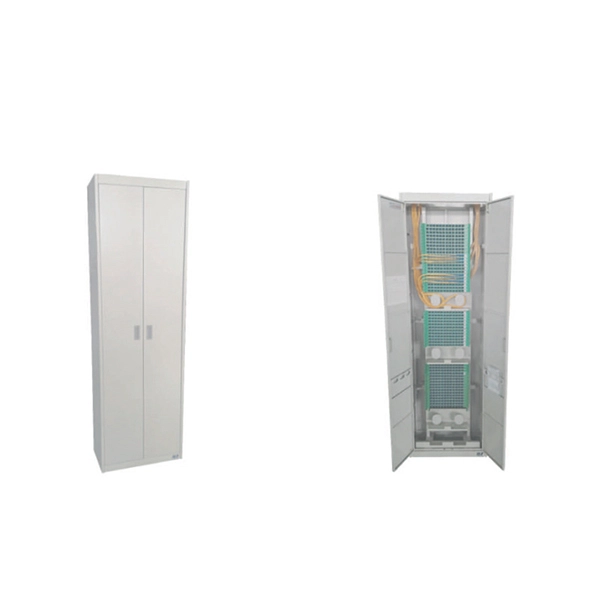
Fiber optic communication box damaged
Equipment illustration / verify against the selected product
7 Common Issues Requiring Professional Fibre Optic Cable Repairs

Discover 7 frequent fibre optic cable problems that require expert repairs to ensure optimal network performance and prevent costly downtime.

Fiber Network Troubleshooting – Common Issues & Fixes

Learn how to troubleshoot fiber networks. Identify common issues like high loss, dirty connectors, and signal drops, with practical solutions for optical links.

Fiber Optic Troubleshooting: Expert Guide for Common Issues

Troubleshoot fiber optic issues like a pro with our expert guide. Resolve common problems and ensure seamless connectivity.

Problem analysis of optical fiber terminal box

The box serves as a junction point for incoming and outgoing fiber-optic cables, and can also include components such as splices, adapters, and splitters. In this article, we will explore the

FOA Guide

Network outages can occur from several problems. While most techs first think the problem is in the cable plant, the network consists of not only that, but also the

How to Repair a Damaged Fiber Optic Cable?

Learn how to repair a damaged or cut fiber optic cable with step-by-step instructions, essential tools, and best practices. Restore your fiber cable quickly and ensure stable, low-loss

How to Find and Repair Breaks in a Fiber Optic Cable

This guide provides a detailed roadmap for locating and fixing fiber optic cable breaks, covering detection techniques, repair methods, and best practices. With CommMesh''s advanced

How to Repair Fiber Optic Cable: A Comprehensive Guide

By understanding these key elements and following the outlined steps, you can effectively repair fiber optic cables and maintain the high

Fiber Optic Issues: Troubleshooting & Prevention Tips

Solve common fiber optic network problems—attenuation, damage, connector issues. Learn troubleshooting steps, tools, and prevention to ensure

Fiber Optic Troubleshooting Guide: Problems, Tools

Learn how to troubleshoot fiber optic cables with common problems, a step-by-step process, essential tools, and proven solutions for stable network

Fiber Optic Troubleshooting Guide: Problems, Tools

Fiber optic networks are the backbone of modern data centers and communication systems, valued for their high bandwidth, low latency, and

How to Repair Fiber Optic Cables: A Step-by-Step Guide

Introduction Fiber optic cables are critical components of modern communication networks, transmitting vast amounts of data at lightning speeds.

Repairing Fiber Optic Cable: Solutions for Fixing Cut or

Learn how to repair cut or damaged fiber optic cables with our step-by-step guide. Find solutions and tools for fixing your damaged fiber optic cable.

Fiber Termination Box Installation & Maintenance Guide

Learn everything about fiber termination boxes—types, installation steps, and maintenance tips to ensure reliable fiber optic network performance.

How to Identify and Fix Fiber Optic Cable Damage

Learn the basic steps and tips for fiber optic troubleshooting and repair, including how to use devices and methods to locate, isolate, and repair the damage.

What Damages Fiber-Optic Cables? Key Risks and Mitigation Strategies

Learn the top causes of fiber-optic cable damage (mechanical stress, environmental hazards, wildlife, human error) and how to protect your fiber infrastructure from costly outages.

Fiber Optic Cable Repair: Quick and Effective Tips

Learn practical fiber optic cable repair tips, common causes of fiber damage, essential repair tools, and a lot more to restore network performance

How to Fix a Cut Fiber Optic Cable

While a cut or damaged fiber optic cable can temporarily take your network down, it is possible to quickly fix the cable with the right tools. This wikiHow article will teach you how to splice a

Related Video Reference

This video was associated with the source search result. Verify technical details against current product documentation and project requirements.

6 questions about “Fiber optic communication box damaged”

How can one identify a broken fiber optic cable?

To identify a broken fiber optic cable, start by performing a visual inspection for any physical signs of damage, such as bends, cracks, or breaks...

What methods are used to test fiber optic cables without a tester?

There are several methods to test fiber optic cables without a tester. One method is using a visual fault locator (VFL), as mentioned earlier, to v...

What are the causes of intermittent fiber optic connections?

Intermittent fiber optic connections can be caused by a variety of factors, including: Poorly terminated connectors or splices that result in unsta...

How does end face contamination impact fiber optic performance?

End face contamination negatively impacts fiber optic performance by increasing signal loss, reflection, and scattering. Contaminants such as dirt,...

What factors contribute to fiber optic degradation?

Fiber optic degradation can be caused by several factors, such as: Physical stress on the cable, including bending, twisting, or crushing, which ma...

How can I resolve issues when my fiber internet is not functioning?

When your fiber internet is not functioning, follow these steps to resolve the issue: Verify that all connections are secure and properly seated, i...

Specify your fiber equipment

Share the fiber interfaces, termination capacity, cable route and evidence required for handover.

Send a project brief