
Fiber Optic Cleaning Tools Methods And Best Practices
Search optical fiber, connectivity, cable management and network infrastructure references.
-
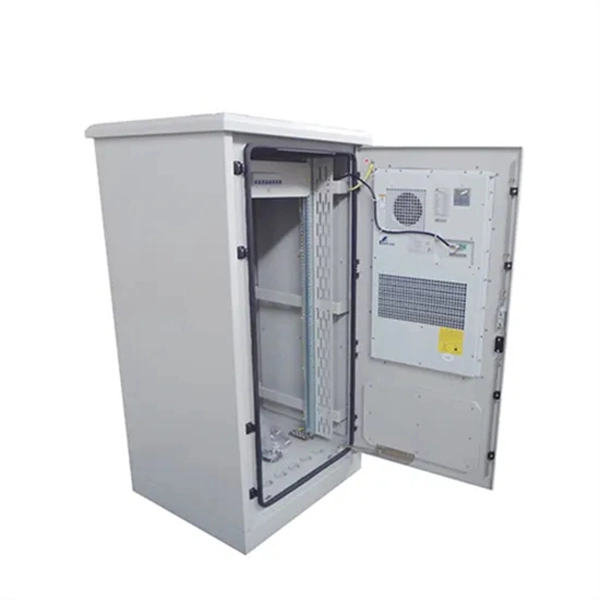
What are the different coupling methods for fiber optic arrays
What are the main methods for joining optical fibers? The primary methods are (a) fusion splicing for permanent, low-loss connections, (b) mechanical splices for semi-permanent joints, and (c) fiber connectors for connections that need to be frequently disconnected and...
[PDF Version]
-
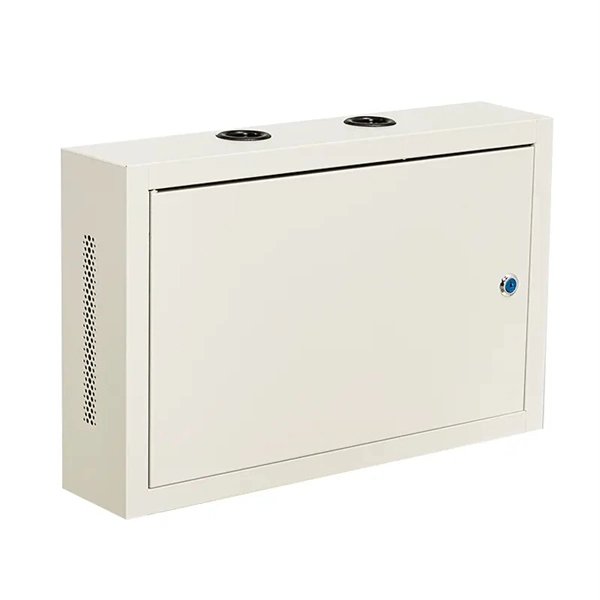
Measuring Tools for Network Communication Fiber Optic Cables
Fiber optic testing tools are essential for ensuring network reliability, performance, and proper installation. Devices such as Optical Power Meters, OTDRs, and Visual Fault Locators help technicians measure signal loss, locate faults, and verify fiber integrity. Optical...
-
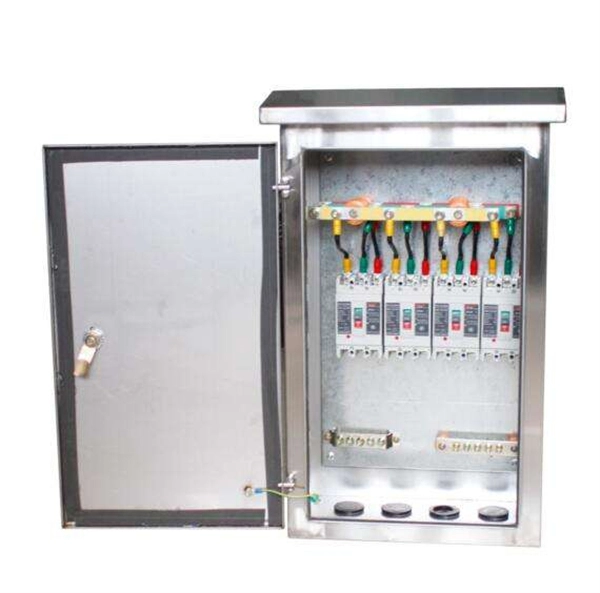
Fiber Optic Reception Methods
Fiber optic receivers use positive-negative junctions (PN), positive-intrinsic negative (PIN) photodiodes, or avalanche photodiodes (APD) as optical detectors. Fiber-optic communication is a form of optical communication for transmitting information from one place to another...
[PDF Version]
-

What are the methods for fiber optic communication networking
Modern fiber-optic communication systems generally include optical transmitters that convert electrical signals into optical signals, optical fiber cables to carry the signal, optical amplifiers, and optical receivers to convert the signal back into an electrical signal...
[PDF Version]
-
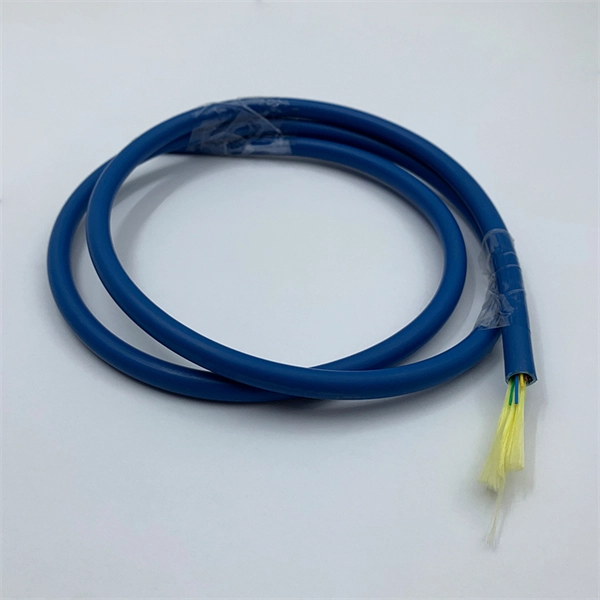
Tools for pulling fiber optic cables on utility poles
Gloves, fish poles, fish tapes, lubricant, cable pulling eyes and netting, fiber vacuum blowers, all necessary tools for your fiber/copper cable pulling jobs. The below article explores the best practices and tools commonly used to pull fiber optic cable. The pulling rope...
[PDF Version]
-
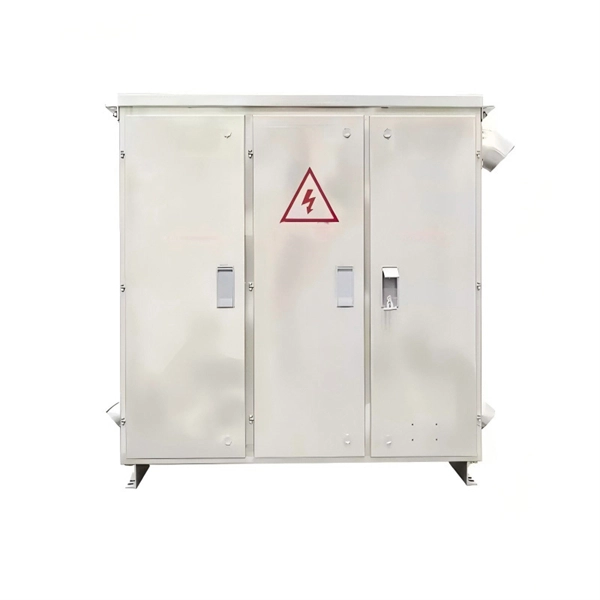
Tools for Maintaining Switch Fiber Optic Cables
Fiber optic cleaning supplies, toolkits, and effective precision strippers are at the center of every dependable fiber optic toolkit. Including well-selected splicing and testing tools will ensure a high level of connection integrity and professional reliability. The buffer...
[PDF Version]
-
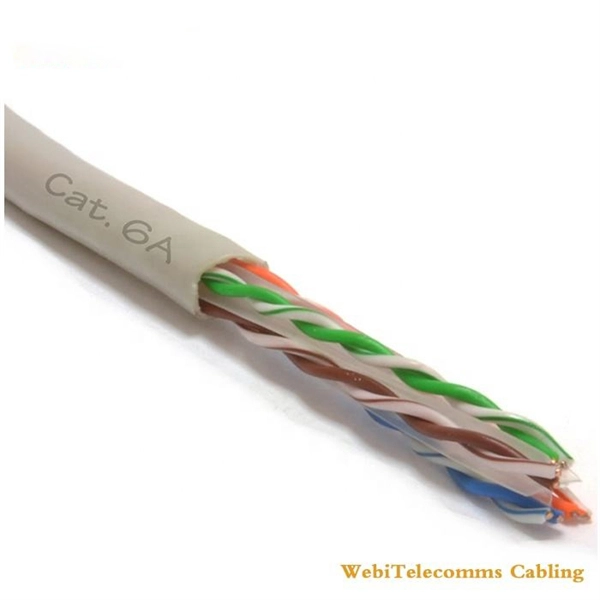
What tools are used to strip the insulation from fire-fighting fiber optic cables
Along with a standard wire cutter and wire stripper, there are three additional cable strippers and a ringer to handle an array of fiber-optic cable jacket shapes, sizes, and buffer coatings. Let me explain the details of several commonly used fiber stripper types as follows!...
[PDF Version]
-
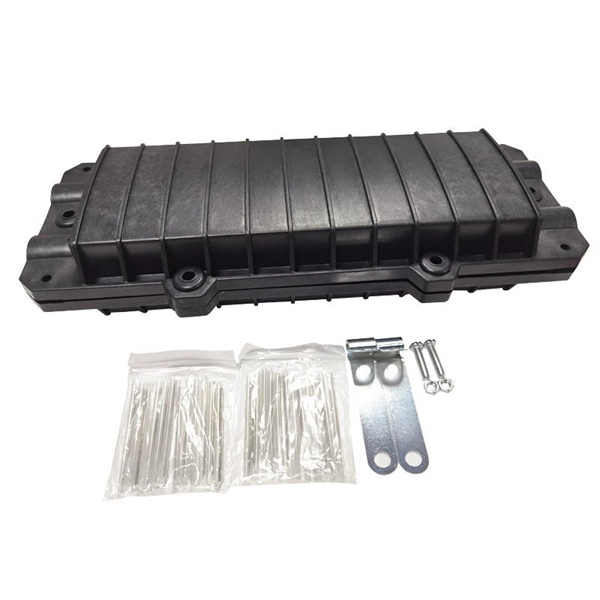
What are the methods for cold splicing transparent fiber optic connectors
There are four main termination methods: field polishing, pre-polished (anaerobic) connectors, fusion splicing, and mechanical splicing. Each has distinct advantages and is suited to different installation scenarios. Mechanical splices are used to create permanent joints...
[PDF Version]
-
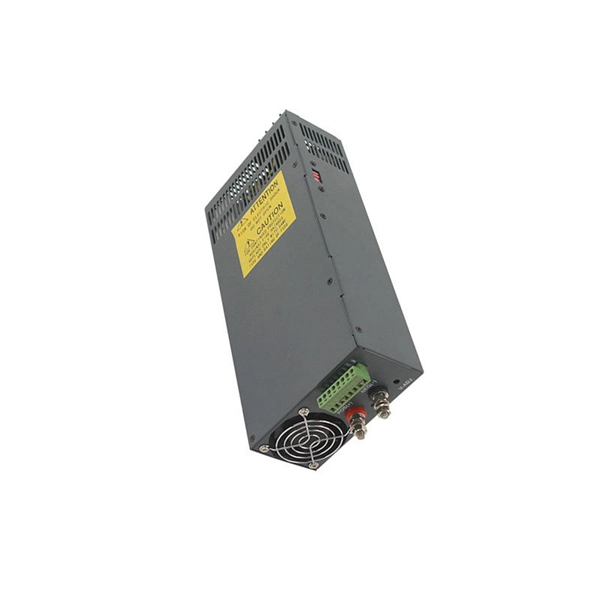
What tools are available to prevent fiber optic cable breakage
For strong, reliable connections, work with fiber optic cables safely using essential tools such as strippers, cleavers, splicers, and cleaning kits. An OTDR helps pinpoint faults, breaks, and splices along a fiber link with serious accuracy. Crucial for certifying new links...
-
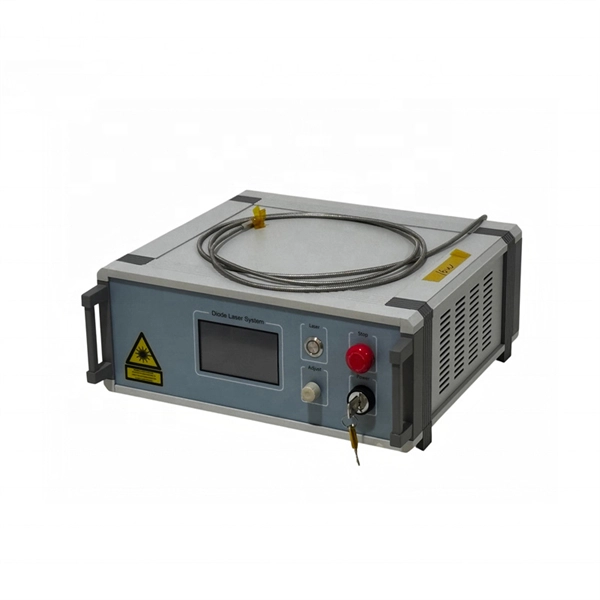
Fiber Optic Cable Installation and Splicing Methods
Fiber Optic Cable Splicing Methods: A Practical GuideWhile this guide provides a solid overview of fiber optic cable splicing, the successful execution of.
[PDF Version]
More from the technical library
- New antistatic flooring cable trays and cold aisle manufacturers
- Installation of rotary switch in distribution box
- How to distinguish between fiber optic cables
- Single-head fiber optic pigtail for cable television networks
- Height Standards for Safety Distribution Boxes
- Armored Corrugated Conduit for Railway Communication