
Fiber infrastructure reference
How to Identify Various Fiber Interface Types
(2) From the perspective of external light, the most conventional method of distinguishing is: the yellow optical fiber is generally a single-mode fiber, and
Optical fiber connector
OverviewApplicationTypesAttributesAnalysisTestingSee also
An optical fiber connector is a device used to link optical fibers, facilitating the efficient transmission of light signals. An optical fiber connector enables quicker connection and disconnection than splicing. They come in various types like SC, LC, ST, and MTP, each designed for specific applications. In all, about 100 different types of fiber optic connectors have been introduced to the market. These connectors include components such as ferrules and alignment sleeves for precise fiber alignm
Fiber Optic Connector Types: A Beginners Guide
Among these components, fiber connector types are essential to network performance, reliability, and scalability. This guide will walk you through
SFP Fiber Optic Connector Types: LC, SC, MPO Explained
Explore common SFP fiber optic connector types, including LC, SC, and MPO/MTP. Learn their differences, use cases, and compatibility.
Fiber optical module and common knowledge of optical interfaces
In addition to the different types of optical interfaces, there are also different types of fiber optic connectors, including single-mode and multimode connectors. Single-mode connectors are
Visual Fault Locator 50MW Rechargeable VFL Fiber Optic Cable
Visual Fault Locator 50MW Rechargeable VFL Fiber Optic Cable Tester SC/FC/ST 2.5mm Interface Description High Efficiency Testing: The Visual Fault Locator is designed for quick and reliable
Basics of Fiber Optics
Lower loss: Optical fiber has lower attenuation (loss of signal intensity) than copper conductors, allowing longer cable runs and fewer repeaters. No sparks or shorts: Fiber optics do not emit sparks or cause
Fibre Optic Adapter LC/APC to SC/APC, Fibre Optic Coupling
Ideal for use in fibre optic cable extension as well as in network maintenance, measuring instruments or patch panels. Usage scenarios: Ideal for fiber optic cable telecom applications, home
Fiber Optic Cable to Router: Step-by-Step Guide
Master the process of connecting a fiber optic cable to your router. Dive into preparation tips, setup instructions, and configuration settings for optimal fiber internet connectivity.
How do You Connect Fiber Optic Cable to SFP?
Learn how to connect a fiber optic cable to an SFP module correctly. Follow our step-by-step guide, avoid common mistakes, and troubleshoot connection issues.
Carrier-grade single-mode fiber optic patch cord lc-lc/sc-sc
In particular, the lc-lc interface is ideal for data centers or office environments with limited space due to its small and compact design.And the sc-sc interface ensures the reliability of the
Passive optical network
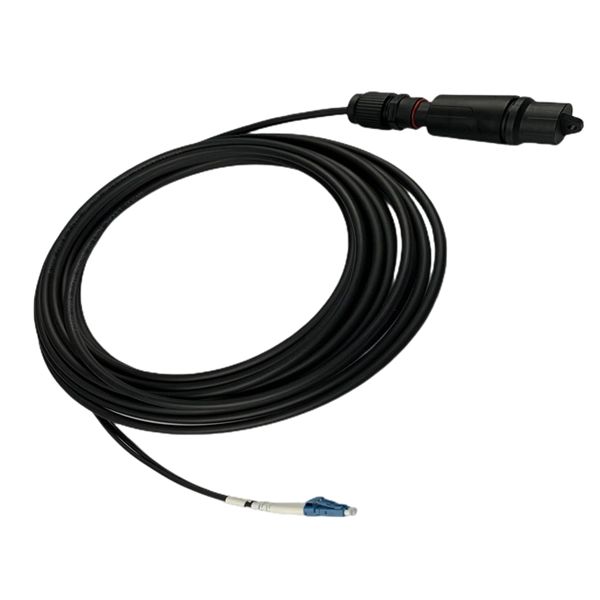
Passive optical network A fiber optic cable assembly with SC APC connectors, as commonly used to link optical network terminals to passive optical networks A
Allen-Bradley 1756-RMC1 ControlLogix Redundancy Fiber Optic Cable
Allen-Bradley 1756-RMC1 ControlLogix Redundancy Fiber Optic Cable The Allen-Bradley 1756-RMC1, also cataloged as the 1756-RMC1 ControlLogix Redundancy Fiber Optic Cable, operates as a
LC Fiber Optics: Complete Guide 2026 to Patch Cables,
Explore LC fiber optics in depth: LC connectors, LC patch cables, uniboot designs, attenuators, breakout cables, LC adapters, patch panels, MPO
Fibre Optic Termination Techniques – Wray Castle
Introduction to Fibre Optic Termination Fibre optic termination is the process of preparing the end of a fiber optic cable so it can connect to network equipment, another cable, or a patch
What is Optical Distribution Frame in Telecom Networking
1. What is Optical Distribution Frame An Optical Distribution Frame (ODF) is the central hub of your fiber optic network. It manages the connection, splicing, and distribution of optical signals
Fiber Connector Types: A Complete Guide (2024)
What is a Fiber Connector? The fiber connector is called a fiber optic or optical fiber connector. It is a precise coupling device that joins fiber optic
Fiber Connector Types
However, the widely used types are about a dozen of fiber optic connectors, which can be divided into single-fiber, duplex fiber connectors (such
Related Video Reference
This video was associated with the source search result. Verify technical details against current product documentation and project requirements.