
Fiber Blowing Vs Pulling Methods In Odn Deployment
Search optical fiber, connectivity, cable management and network infrastructure references.
-
What are the different coupling methods for fiber optic arrays
What are the main methods for joining optical fibers? The primary methods are (a) fusion splicing for permanent, low-loss connections, (b) mechanical splices for semi-permanent joints, and (c) fiber connectors for connections that need to be frequently disconnected and...
[PDF Version]
-
Fiber Optic Reception Methods
Fiber optic receivers use positive-negative junctions (PN), positive-intrinsic negative (PIN) photodiodes, or avalanche photodiodes (APD) as optical detectors. Fiber-optic communication is a form of optical communication for transmitting information from one place to another...
[PDF Version]
-

What are the methods for fiber optic communication networking
Modern fiber-optic communication systems generally include optical transmitters that convert electrical signals into optical signals, optical fiber cables to carry the signal, optical amplifiers, and optical receivers to convert the signal back into an electrical signal...
[PDF Version]
-
Methods for splicing optical fiber lines
Effective fiber optic splicing relies on precise fiber preparation, the correct use of specialized tools like fusion splicers and mechanical splice units, and adherence to best practices for minimal signal loss and high splice quality. Fusion splicing provides a low-loss...
-
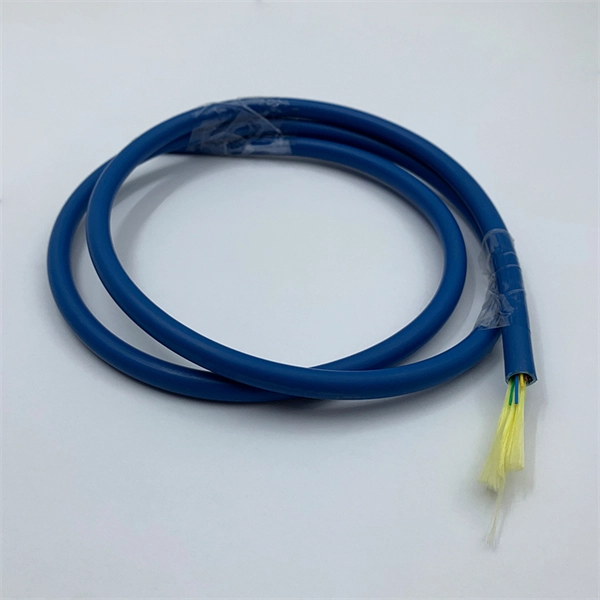
Tools for pulling fiber optic cables on utility poles
Gloves, fish poles, fish tapes, lubricant, cable pulling eyes and netting, fiber vacuum blowers, all necessary tools for your fiber/copper cable pulling jobs. The below article explores the best practices and tools commonly used to pull fiber optic cable. The pulling rope...
[PDF Version]
-
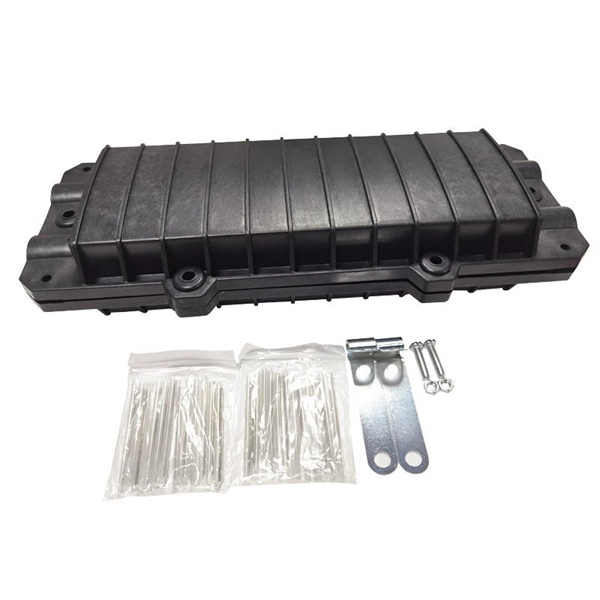
What are the methods for cold splicing transparent fiber optic connectors
There are four main termination methods: field polishing, pre-polished (anaerobic) connectors, fusion splicing, and mechanical splicing. Each has distinct advantages and is suited to different installation scenarios. Mechanical splices are used to create permanent joints...
[PDF Version]