
How can one identify a broken fiber optic cable?
To identify a broken fiber optic cable, start by performing a visual inspection for any physical signs of damage, such as bends, cracks, or breaks...
Search optical fiber, connectivity, cable management and network infrastructure references.
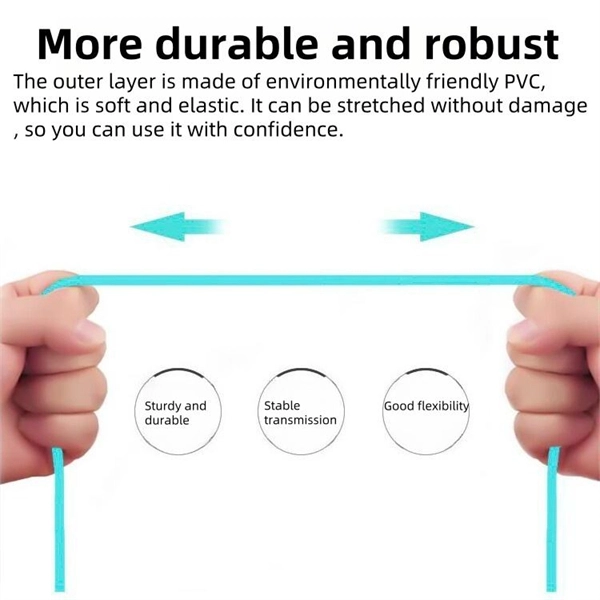
Fiber optic cables are designed to withstand some bending, but excessive bends can physically damage the glass fiber or cause significant signal loss. That's why every fiber cable has a minimum bend radius specification provided by the manufacturer. To ensure optimal service...
[PDF Version]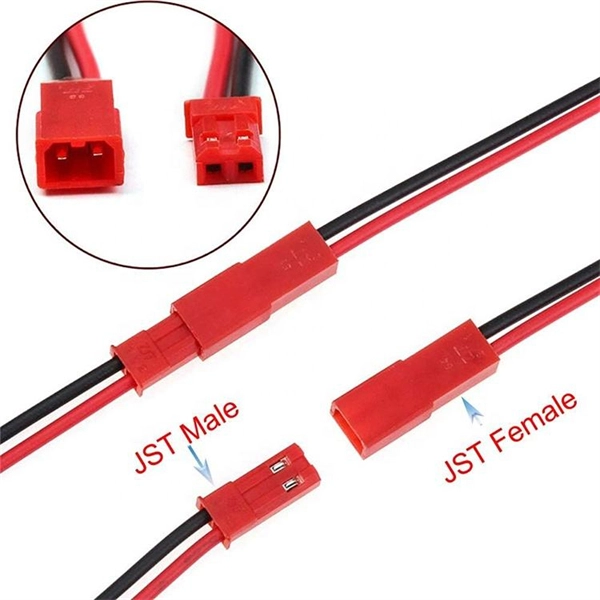
Data Centers → LC connectors dominate due to compact size and compatibility with SFP modules. This comparison focuses squarely on the four most common field connectors — LC, SC, ST, and FC — so you can pick the right tool for a given port type, transceiver, or installation...
They support both single-mode (SM) and multimode (MM) fibers and are widely used in space-constrained environments requiring high fiber counts. Aerospace engineers have used Amphenol connectors in everything from low Earth orbit (LEO) satellites that make advanced. Multimode...
[PDF Version]
Most fiber connectors adopt zirconia ceramic ferrules for precision alignment and stable optical performance. The distinction between flanged and flangeless adapters is purely mechanical. Unlike fiber splicing, which is permanent, connectors allow for easy connection and...
[PDF Version]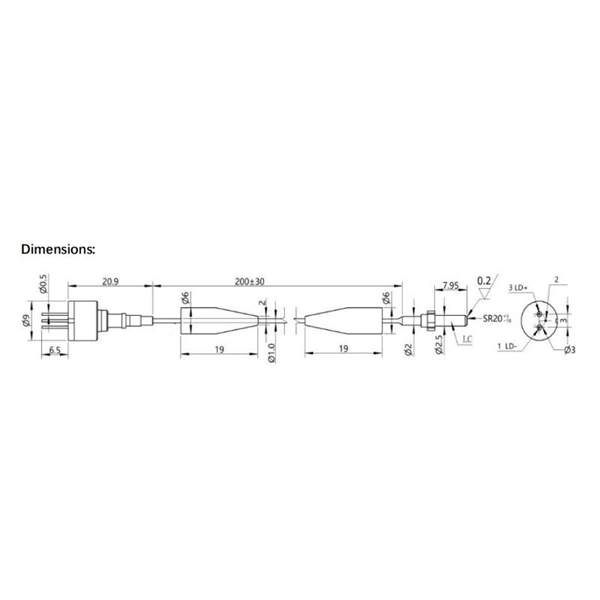
This article explores the wide range of fiber optic connector types, from legacy SC and ST to modern MPO/MTP and VSFF designs. Learn how each connector works, where it's used, and how to choose the right option for today's high-density, high-speed networks. Unlike fiber...
Fiber Network Troubleshooting – Common Issues & FixesLearn how to troubleshoot fiber networks. Identify common issues like high loss, dirty connectors, and.
[PDF Version]To identify a broken fiber optic cable, start by performing a visual inspection for any physical signs of damage, such as bends, cracks, or breaks...
There are several methods to test fiber optic cables without a tester. One method is using a visual fault locator (VFL), as mentioned earlier, to v...
Intermittent fiber optic connections can be caused by a variety of factors, including: Poorly terminated connectors or splices that result in unsta...
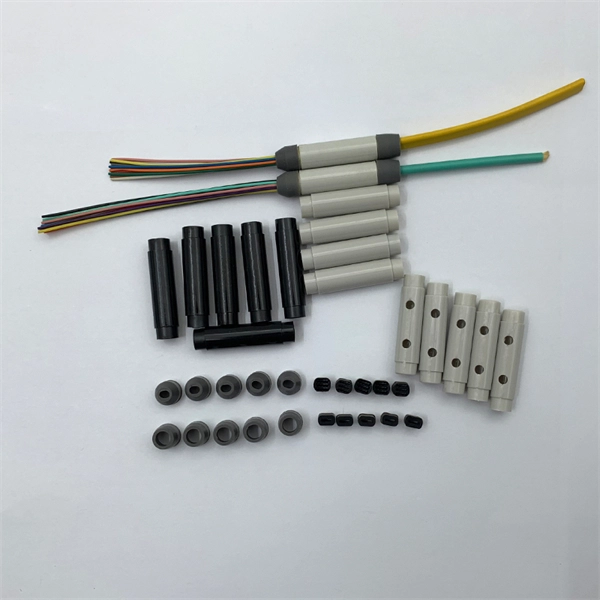
Cable tray support quantity can be calculated using a simple formula: Support Quantity = Total Length ÷ Support Spacing + 1 20 ÷ 2 + 1 = 11 supports In a typical project, a 20-meter cable tray with 2-meter spacing requires 11 supports. Cable tray supports are components used...
[PDF Version]Share the fiber interfaces, termination capacity, cable route and evidence required for handover.