
Extrusion Profile Heat Sinks
Search optical fiber, connectivity, cable management and network infrastructure references.
-
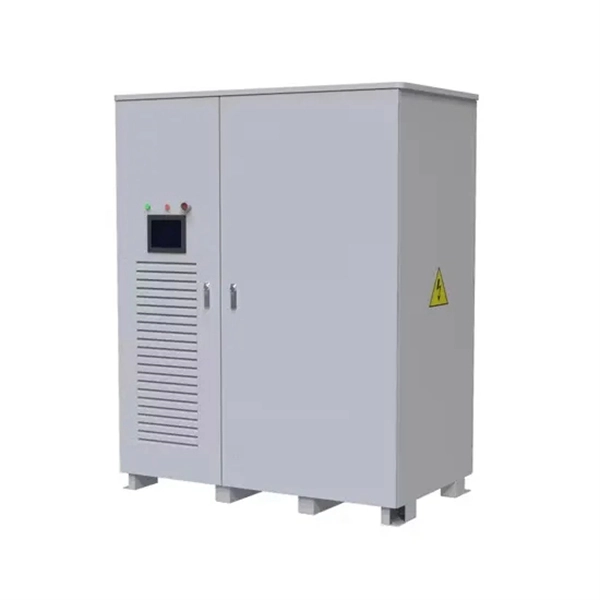
How to dissipate heat in a sealed electrical distribution box
Closed-loop cooling systems are ideal for sealed or more demanding environments. Effective heat management ensures the reliability, performance, and longevity of the components inside the enclosure. Heat Generation Electronic. Learn how conduction, convection, radiation, and...
[PDF Version]
-
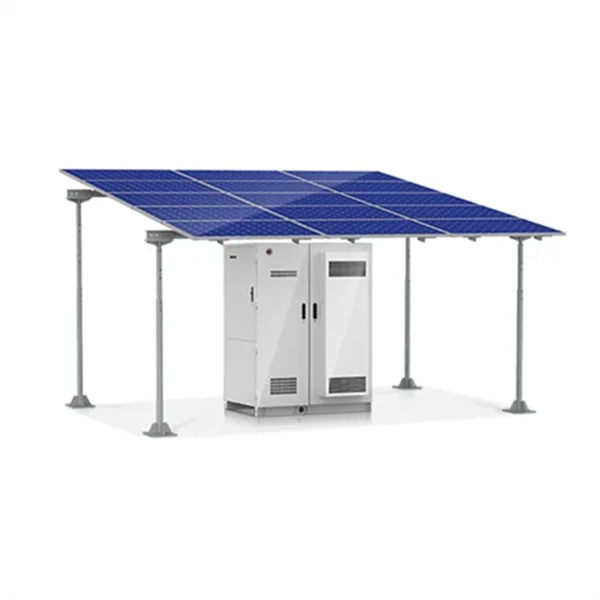
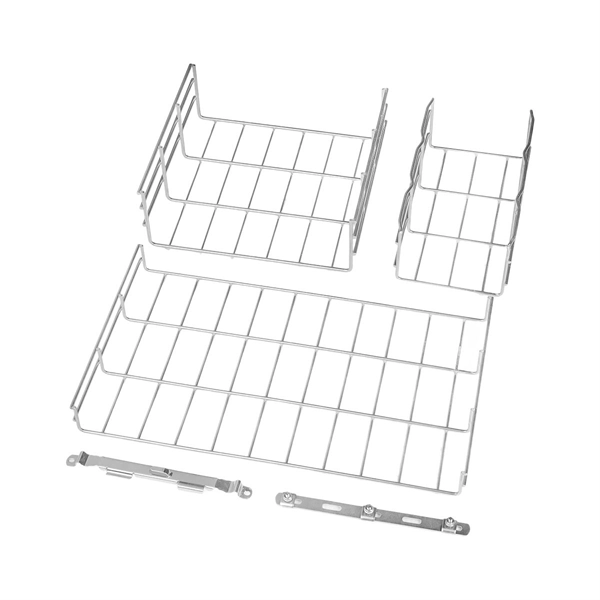
Ventilation and heat dissipation cable trays
Effective heat dissipation in cable trays requires exposing as much of the cable surface area to surrounding cooler air as possible. When trays lack proper ventilation or are overfilled beyond their rated capacity, the trapped thermal energy degrades the cable's protective...
-
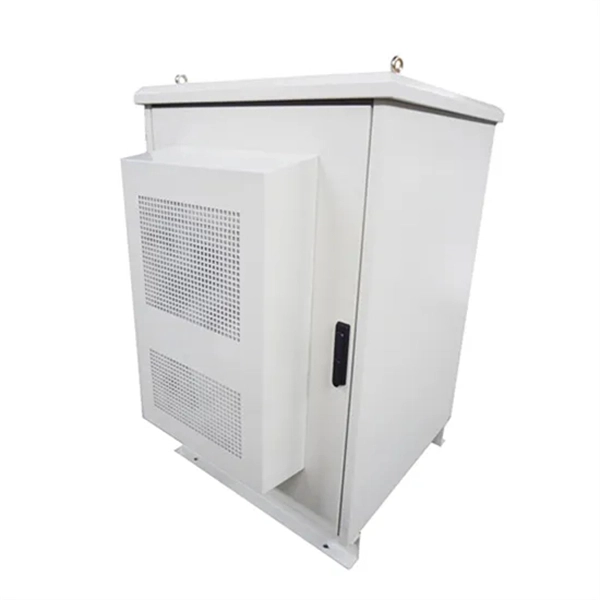
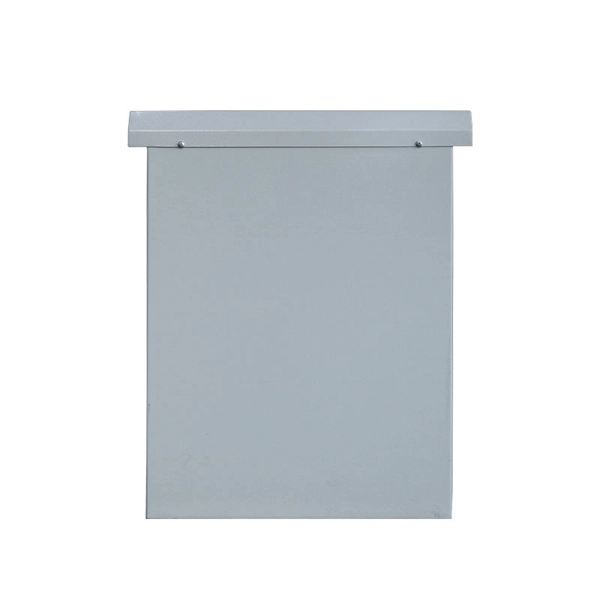
Heat dissipation of outdoor small distribution box
The heat dissipation holes on the outdoor electrical box effectively help the internal components to dissipate heat through multiple mechanisms such as direct heat dissipation, optimized convection circulation, reduced thermal resistance, and prevention of overheating damage...
[PDF Version]
-
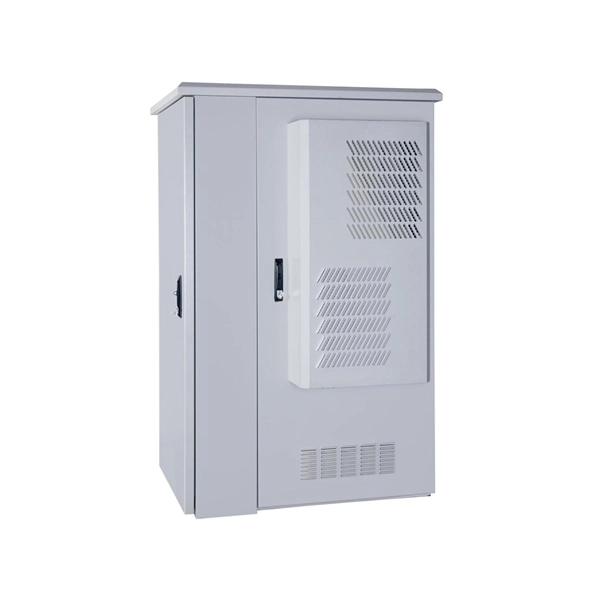
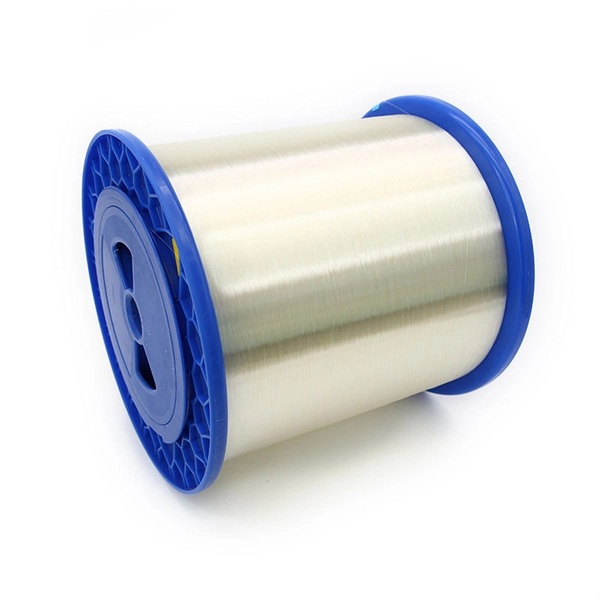
Does heat from fiber optic pigtails have an impact
While fiber optic cable is remarkably resilient, temperature changes do impact its performance — sometimes subtly, sometimes critically. Optical fiber's ability to withstand extreme heat and cold directly impacts signal integrity, network reliability, and maintenance costs...
[PDF Version]
-
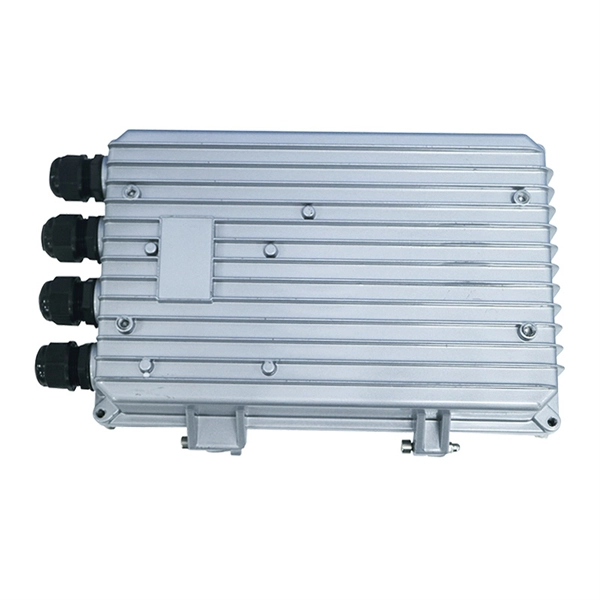
Aluminum heat sink for optical module
Our aluminum water-cooled heat sink for optics is specifically engineered to address this challenge. By leveraging the high specific heat capacity of liquid coolant, our cold plates provide superior thermal management, allowing your optical modules to operate at peak...
[PDF Version]
-
Dual-core fiber optic heat shrink tubing
The heat shrink tubes features: Cross-linked polyolefin and hot fusion material with a stainless reinforced steel rod. Preserves optical transmission performance and provides safe protection for fiber optic splicing. Easy installation to avoid fiber damage. Used to...
-
High-density fiber optic heat shrink tubing for fixing
This heat shrinkable tubing is engineered to provide a secure, tight seal around bare fibers, ensuring enhanced mechanical strength and environmental resistance. With its sealing thermal head at both ends and materials, it effectively protects the fusion splicing part without...
-
TPU optical cable extrusion cracking
Thermoplastic polyurethane elastomers (TPU) are stretchable, tough, wear resistant and easily processable soft materials. Especially because of their recyclability, TPUs can be suitable candidates to.
-
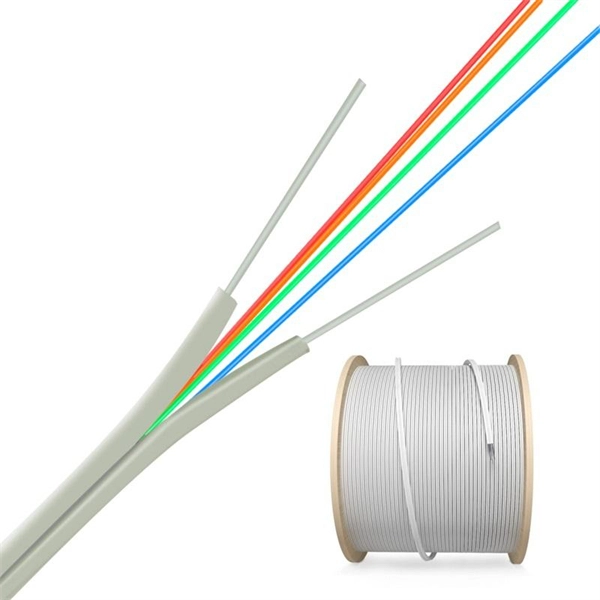
Aluminum Profile Design for Network Cabinets
Specialized server cabinets are tailored for housing servers specifically, with features such as increased depth and cooling options. Each type of profile aluminium network cabinet is crafted to meet specific requirements, enabling businesses to optimize their network...
[PDF Version]
More from the technical library
- Scratching Treatment of Distribution Boxes
- High-voltage energy storage cabinet lithium battery
- KVM switch failed to connect USB drive driver
- How to use the tray of an optical fiber fusion splicer
- How much does an outdoor secondary distribution box cost
- What is a shelf cabinet Hmi
- Different optical module codes