
How can one identify a broken fiber optic cable?
To identify a broken fiber optic cable, start by performing a visual inspection for any physical signs of damage, such as bends, cracks, or breaks...
Search optical fiber, connectivity, cable management and network infrastructure references.
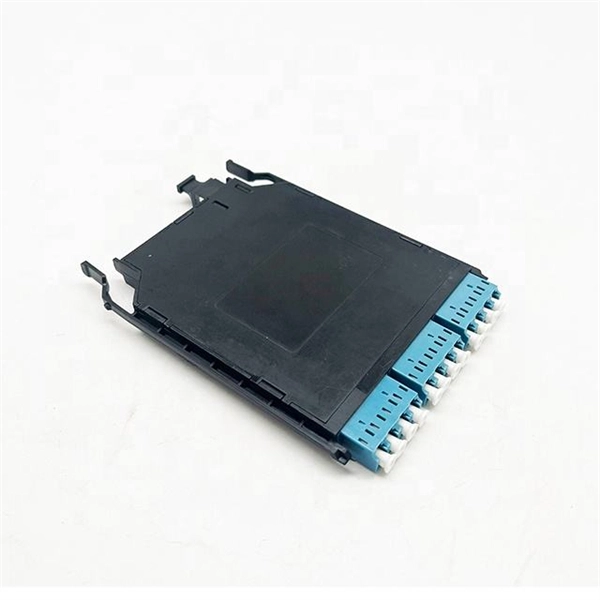
Connectors are the vulnerable points in a fiber network. Studies and industry research (from sources such as the FCC and IEEE) indicate that extreme cold can affect connectors by causing water ingress to freeze, leading to physical deformation. This method is essentially...
[PDF Version]
The performance of a fiber optic splice is determined by a number of factors, including the quality of the fiber, the cleanliness of the splice, and the techniques used to make the splice. Optical fiber cold splice technology is based on the use of mechanical connectors to...
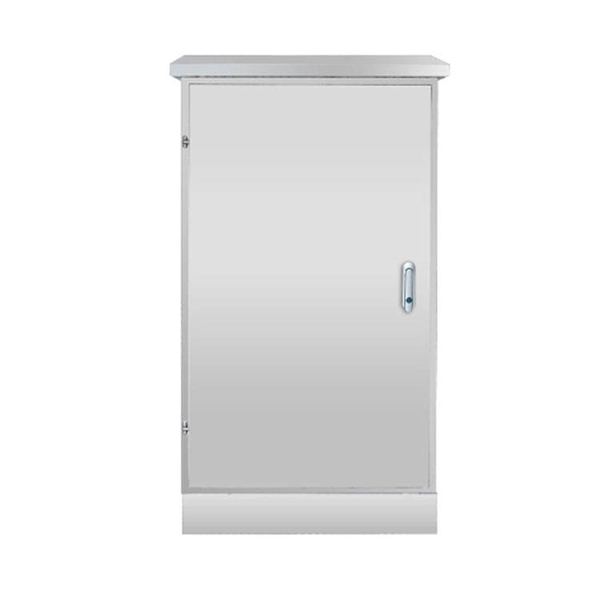
Fiber Network Troubleshooting – Common Issues & FixesLearn how to troubleshoot fiber networks. Identify common issues like high loss, dirty connectors, and.
[PDF Version]To identify a broken fiber optic cable, start by performing a visual inspection for any physical signs of damage, such as bends, cracks, or breaks...
There are several methods to test fiber optic cables without a tester. One method is using a visual fault locator (VFL), as mentioned earlier, to v...
Intermittent fiber optic connections can be caused by a variety of factors, including: Poorly terminated connectors or splices that result in unsta...
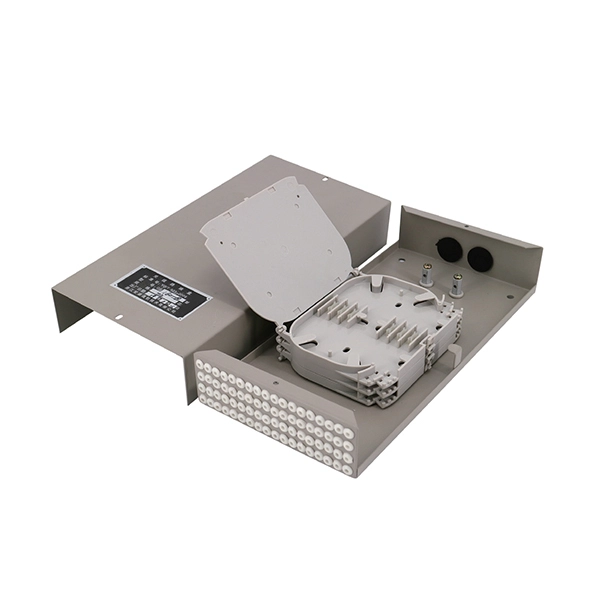
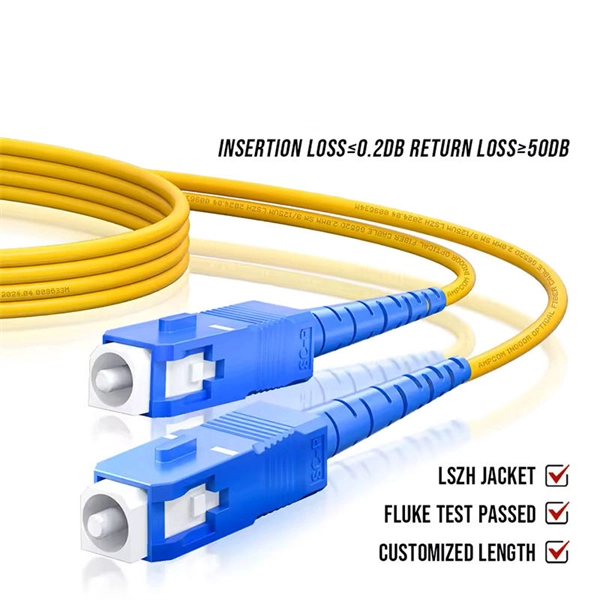
Expect data transfer rates reaching 40 Gbps. B3 fiber core, ensuring minimal loss. 9mm cable with a transparent finish blends into surroundings for discreet indoor use. High-Performance SC/SCAConnectors: Ensures low insertion loss and high return loss for stable signal...
[PDF Version]
It does not require the use of a fiber fusion splicer or a grind during termination. When polishing a fiber optic connector, by polishing machine, there are procedures and setting parameters designed to leverage the machines best practices as well as previous developments and...
[PDF Version]
Factors such as installation quality, environmental conditions, and usage intensity can affect the lifespan of fiber optic cables. Regular inspections, cleaning, and monitoring can help identify and address potential issues that may arise and extend the lifespan of the...
[PDF Version]
There are several designs in use for mechanical splicing, varying based on the method of fiber alignment; four common methods, according to the Fiber Optic Association, are the capillary tube, V-groove, elastometric, and rotary splice. • A capillary tube splice aligns the...
The fiber optic quick connector/cold connector is a very innovative field-terminated connector, which contains factory-installed optical fiber, pre-polished ceramic ferrule and a mechanical splicing mechanism. The incoming optical fiber or indoor optical. Fiber fast...
[PDF Version]
In this guide, we'll walk you through the entire process of preparing fiber optic cable for splicing and termination to fiber connectors. Regardless of the type of fiber network you're deploying, be it for telecom, enterprise data centers, or smart city infrastructure, fusion...
Principle of Optical Fiber Cold Splice Technology Optical fiber cold splice technology is based on the use of mechanical connectors to join two fiber-optic cables. These connectors are designed to align and join the fibers together in a precise and secure manner. A poorly...
Share the fiber interfaces, termination capacity, cable route and evidence required for handover.