
Differences Between G 652d And Other Fiber Optic Cables
Search optical fiber, connectivity, cable management and network infrastructure references.
-
Uruguay large-core fiber G 652D
G652D, a subclass of G652 (ITU-T G. 652), is the most widely deployed single-mode fiber, renowned for its reliability in legacy networks. Key features include: Mode Field Diameter (MFD): 10. Attenuation: 1310nm:. ITU-T (International Telecommunication Union) defines several...
[PDF Version]
-
Guatemalan polarization-maintaining fiber optic cable G 652D
Recommendation ITU-T G.652 (08/2024) The ITU-T G.652 fibre was originally optimized for use in the 1310 nm wavelength region but can also be used in the 15.
[PDF Version]
-
Greek price for drop fiber optic cable G 652D
Fiber Optic Cable Price in 2026: Market Updates and Price TrendsTrack the latest fiber optic cable price changes in 2026, including market updates from Mar.
[PDF Version]
-

Differences between fiber optic cables and low-voltage cables
Is Fiber Optic Cable Considered Low Voltage Cabling?In this guide, we'll explore how fiber optic cables fit into the low voltage category, what makes them.
[PDF Version]
-

Are fiber optic boxes terminal boxes good for home use
Wall-mounted termination boxes are common in home fiber networks. They help organize and protect fiber optic cables indoors and outdoors. Good fiber optic. When selecting the best ftth fiber optic box for residential or commercial use, prioritize durability, splice capacity...
[PDF Version]
-
What connection mode should be used for fiber optic pigtails
5/125 micron or 50/125-micron multimode fiber optic cables and terminate with multimode connectors at one end. Executive Summary: A fiber optic pigtail is one of the most commonly specified yet least understood components in structured cabling. Get the wrong connector type...
[PDF Version]
-
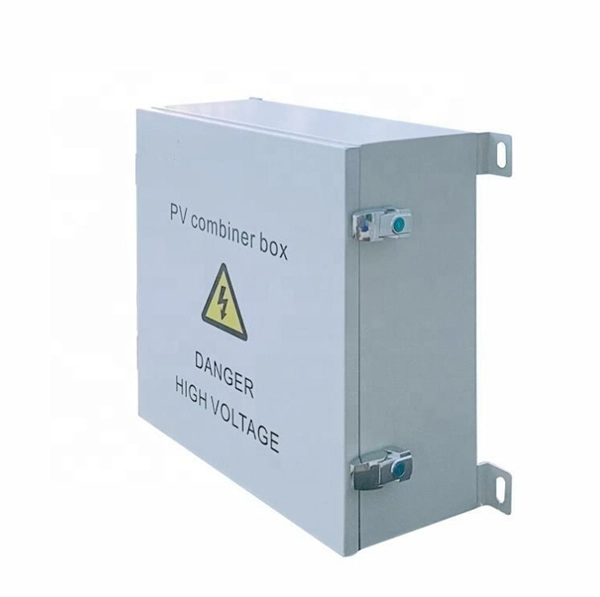
Ribbon Fiber Optic Cable Connection Tool
The FTA-02 organizes individual fibers into ribbons for mass splicing. Ribbonizing can be completed in less than 3 minutes, including adhesive drying time. These products allow the user to enter a cable and access one or more fibers, without disturbing the continuity of other...
[PDF Version]
-
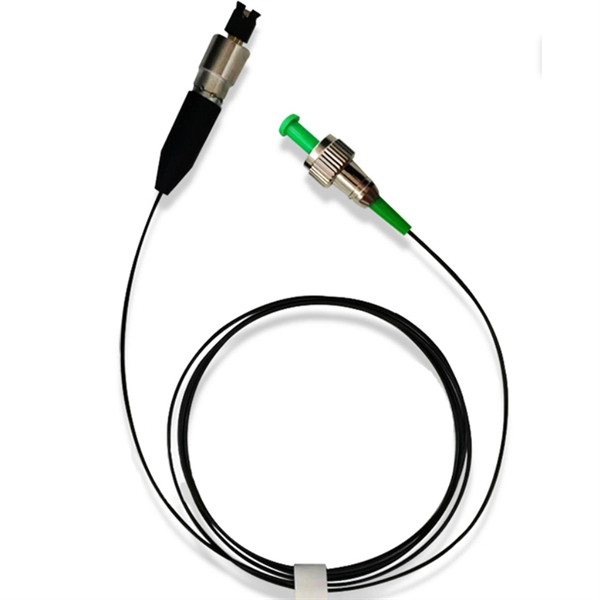
How to build a fiber optic cable route
The construction of a fiber network involves careful planning and design. From the initial site survey to the final fiber to the home (FTTH) connection, every stage requires careful planning, coordination, and. Building a fiber-optic network is a complex, multi-step process...
[PDF Version]