
Fiber infrastructure reference
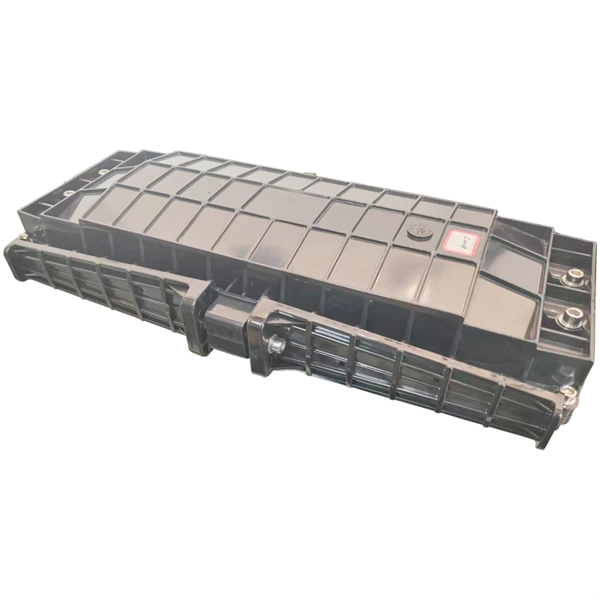
Optical Splitters Demystified: The Silent Heroes
An Optical Splitter, also known as a beam splitter, is a passive optical device that divides a single input optical signal into two or more output
Comprehensive Guide to Optical Splitters
An optical splitter is a crucial passive fiber optic device that splits and combines optical signals. It can distribute the optical energy transmitted through a single fiber to two or more fibers in a
Fiber-optic splitter
OverviewSplitting ratio principleTypesAdvantages and disadvantagesSee also
Wave splitting involves dividing a light beam into multiple streams. The daughter streams can be equal or in some other ratio. The FBT splitter uses two (or more) fibers. The fibers'' coating layer is removed. Both fibers, at the same time, are stretched under a heating zone thus forming a double cone. This special waveguide structure allows control of the splitting ratio via controlling length of the fiber torsion angle and stretch.
The Working Principle and Application Scenarios of Fiber Optic Splitters
Explore the working principle of fiber optic splitters, their types, and real-world application scenarios in PON networks, FTTH, and more (1).
Fiber Optic Splitter: How It Works & Types Guide
At its core, a fiber optic splitter relies on the principles of light reflection, refraction, and waveguiding to divide signals. Its design varies by type, but the underlying mechanism involves
Optical Splitters: Split Ratios, Splitting Architectures & PON Network
By dividing a single optical signal from a central Optical Line Terminal (OLT) into multiple outputs for Optical Network Terminals (ONTs) at users'' homes, splitters eliminate the need for
How Does a Fiber Optic Splitter Work
Fiber optic splitter is a passive optical device that includes multiple input and output ends. It can divide the input optical signal into multiple output optical signals to meet the fiber optic access
What Is an Optical Splitter?
Optical splitters enable a signal on an optical fiber to be distributed among two or more fibers. Since fiber splitters contain no electronics nor require
Fiber Splitters The Role And Application Guide
A fiber splitters is an optical device that can distribute optical signals from one optical fiber input to multiple output ports. It plays a vital role in optical
Understanding Fiber Optic Splitters: Principles,
The working principle of fiber optic splitters is based on the 1:N splitting principle. This principle allows a single input light beam to be split into N output light
Fiber Splitters The Role And Application Guide
The working principle of fiber splitters is relatively simple, and the signal distribution is achieved through the principle of optical coupling in optical
Fundamentals of Optical Splitters » SENKO Advanced Components, Inc.
Optical splitters enable the distribution of light signals from a single input to various servers, ensuring efficient data routing within the data center infrastructure. Cable Television (CATV) Networks Optical
Optical Coupler
Optical couplers (or splitters) are photonic devices enable of dividing an optical signal from one port to other ports, as shown in Fig. 4.8. A commonly used configuration has one input and two outputs
Fiber optic splitter – Physics and Radio-Electronics
How to determine the quality of a PLC splitter? There are five main specifications that are outlined in this standard. The following section outlines each of the specification and their importance for a fully
What Is Optical Splitter?
An optical splitter is a device that divides light transmission in a network into multiple output ends. It plays a crucial role in facilitating network interconnections. This article aims to provide
Knowledge of Optical Splitters
Optical splitter is an integrated waveguide optical power distribution device that serves to split optical signals. It is widely used in passive optical networks (such as EPON, GPON, BPON,
Understanding Beamsplitters: Types, Principles, and Applications
This article explores the fundamental principles and diverse applications of beamsplitters, detailing their different types and uses in fields such as optics and interferometry.
Beam Splitter
A beam splitter is defined as an optical device that effects a linear transformation of fields presented at two input ports, producing output beams that are related to the input fields in a characteristic manner
Related Video Reference
This video was associated with the source search result. Verify technical details against current product documentation and project requirements.