
Correct Splicing Techniques
Search optical fiber, connectivity, cable management and network infrastructure references.
-
Methods for splicing optical cables through conduits
The two primary industry-accepted methods for fiber optic cable splicing are fusion splicing and mechanical splicing. The choice between them depends on performance requirements, budget constraints, and the specific application environment. For network managers and...
[PDF Version]
-
Standard Requirements for Splicing of Direct-Buried Optical Cables
Recommended technical requirements are detailed by reference to IEC 60794-3-11 on outdoor optical fibre cables for duct, directly buried, and lashed aerial applications. The methods described are intended for guideline use only, as it is impossible to cover all the various...
[PDF Version]
-
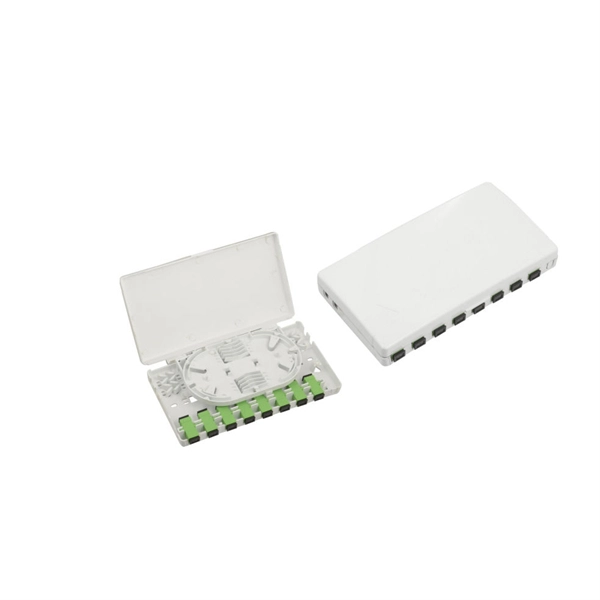
Outdoor cabinet fiber splicing
Manufacturers design fiber optic cabinets to protect fiber optic cables in indoor and outdoor environments. Also known as fiber optic enclosures or fiber entrance cabinets, these enclosures act as hubs where cables can be spliced, organized and routed through areas inside or...
[PDF Version]
-
Multi-core fiber sheath and pigtail splicing
Fusion splice techniques for multicore fibers (MCFs) are discussed here. We demonstrate a swing electrode system for uniform discharge and an end-view function for automatic and precise core alignmen.
-
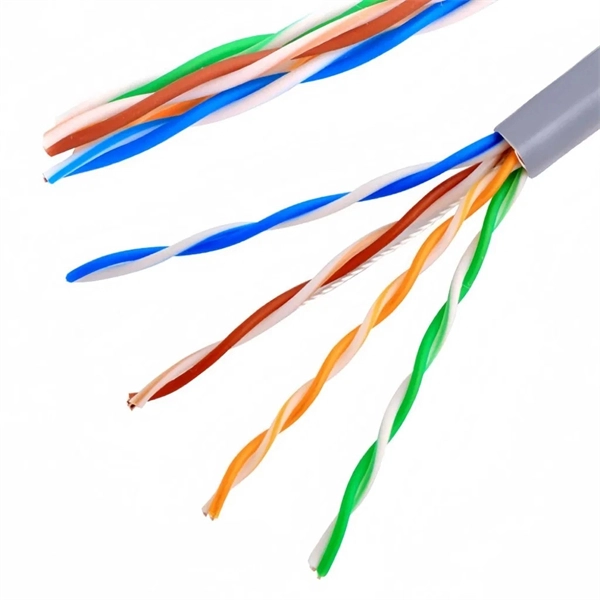
High attenuation after fiber optic cable splicing
Fiber misalignment is a byproduct of the splicing process and can occur with any splice. Intrinsic factors, such as the refractive index of the fiber, are those that are inherent to the fiber itself. High attenuation makes your system not work well. You should fix it fast to...
-
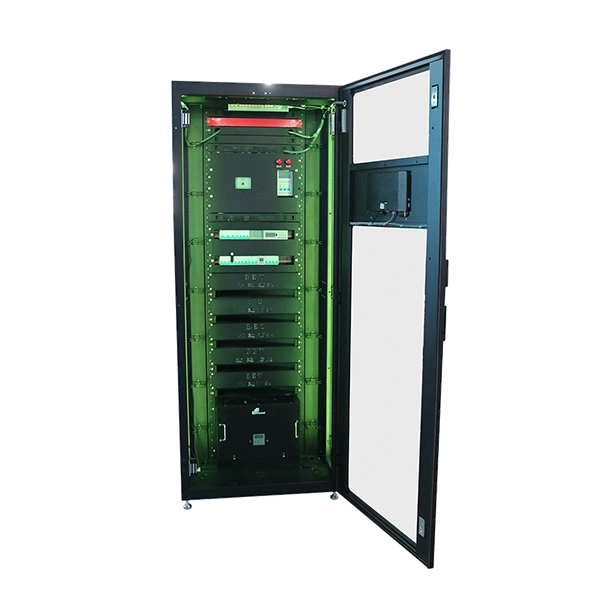
Two-core fiber optic panel splicing
Fusion splice techniques for multicore fibers (MCFs) are discussed here. We demonstrate a swing electrode system for uniform discharge and an end-view function for automatic and precise core alignmen.
-
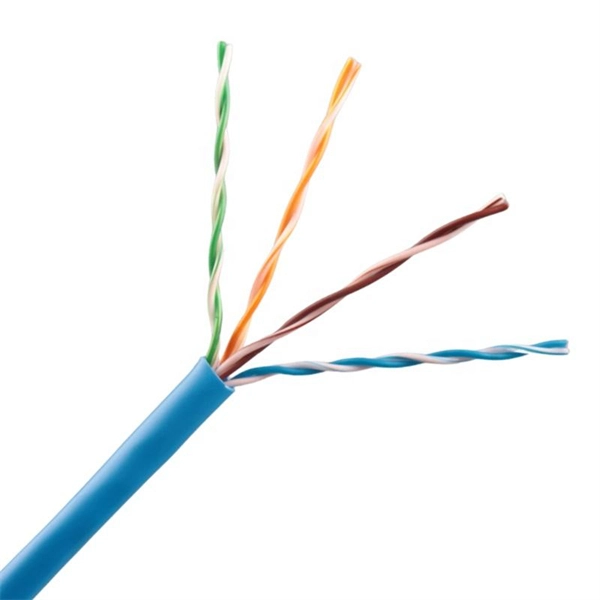
Equipment for splicing 12-core optical cables
The best splicers offer core alignment, fast splice times, durable designs, and smart features like cloud syncing and automated calibration. Splice failures are due to breaks that often occur not right at the splice joint but nearby unless key steps are taken to avoid them...
[PDF Version]
-
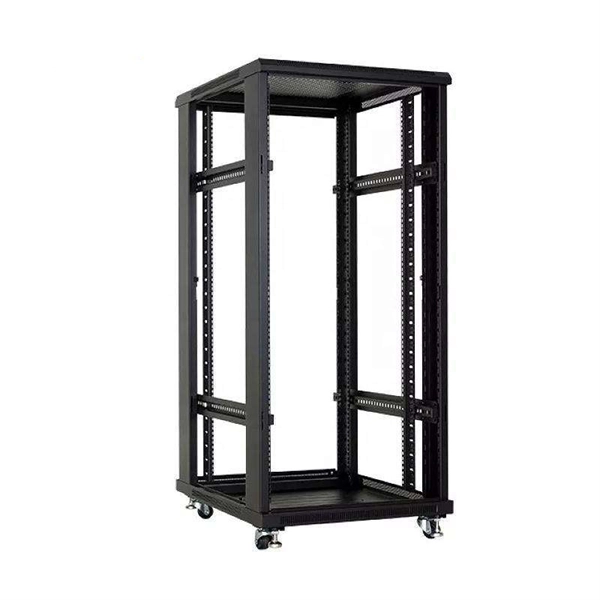
Mauritania Well Temperature Measurement Fiber Optic Cable Splicing
A carbon-coated and bellow-packaged optical fiber sensor for high pressure and high temperature monitoring in downhole applications is developed and successfully field-applied in an oil well. Carbon-c.
-
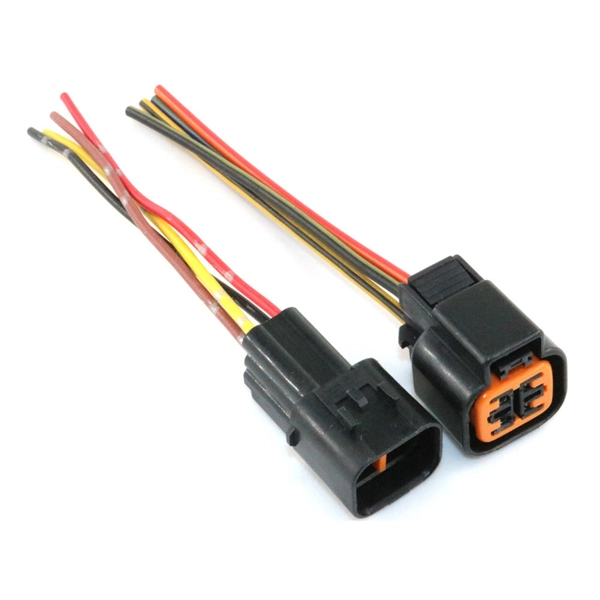
Reasons why pigtail splicing fails to enter the V-groove
Likely due to misalignment of fibers because of dirty V-grooves or not calibrating the equipment correctly—clean the V-grooves and recalibrate the equipment. More often than not, quick resets and maintenance can restore performance right on the job, minimizing downtime. There...
-
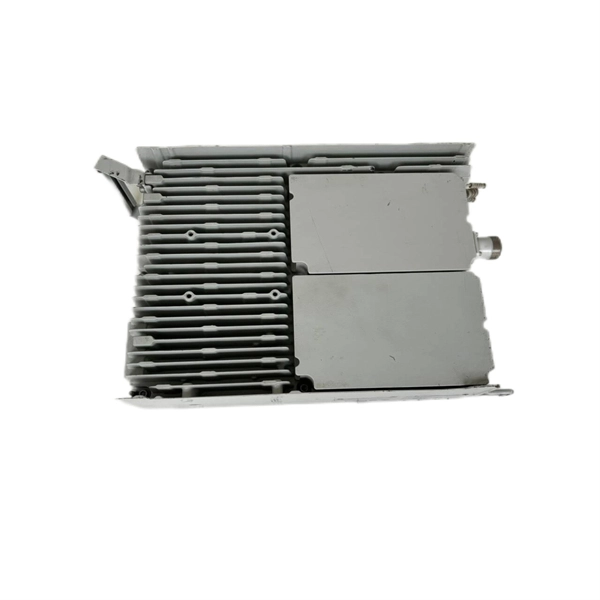
Recommended Optical Fiber Fusion Splicing Tools
The best splicers offer core alignment, fast splice times, durable designs, and smart features like cloud syncing and automated calibration. Top-rated models. A fusion splicer is a device that joins two optical fibers end-to-end by melting them together using an electric arc...
More from the technical library
- How much does flame-retardant fiber optic cable for smart buildings cost in Nigeria
- 100kWh remote power supply for power system use
- PoE-powered switch network speed
- How are holes drilled in a mesh cable tray
- Installation location of cable well distribution box
- Maintenance Solution for Communication Optical Cable Lines