
What does an optical transceiver do?
Optical modules are mainly packaged by optoelectronic devices TOSA/ROSA, functional circuits and optoelectronic interface components. The optical t...
Search optical fiber, connectivity, cable management and network infrastructure references.
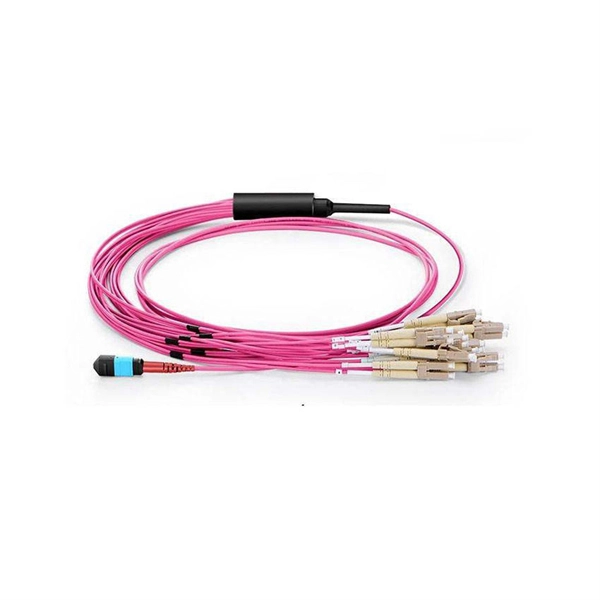
10 companies in the optical transceiver industry chain 2024To help you choose the best partner, this article will analyze and introduce 10 companies in the.
[PDF Version]Optical modules are mainly packaged by optoelectronic devices TOSA/ROSA, functional circuits and optoelectronic interface components. The optical t...
The upstream industry of optical modules mainly includes optical chips, optical components and optical devices, and the downstream industry mainly...
Lorem ipsum dolor sit amet, consectetur adipiscing elit. Ut elit tellus, luctus nec ullamcorper mattis, pulvinar dapibus leo.

Cable management: Panels integrate guides, trays, and strain relief to prevent stress on adapters and connectors. Labeling: Ports are numbered/labeled for troubleshooting and documentation. Dust protection: Shuttered adapters or flip-down dust covers are used in panels to. A...
[PDF Version]
The most secure solution is to install a fiber NIC (Network Interface Card) into the PCI slot of a desktop computer. The NIC has a fixed optical connector or an SFP slot where different modules can be used to support speeds from 100M to 10 Gigabit. Most computers are not...
[PDF Version]
This article will analyze key performance parameters such as transmission rate, wavelength, numerical aperture (NA), output power, and receive sensitivity of optical modules. It will also discuss how to choose suitable optical modules based on practical requirements. As...
[PDF Version]
All ports except GE ports can be used for stack connections. It is recommended that you add at least two stack member ports to a stack port to improve stack link bandwidth and reliability. These high bandwidth connections are essential for handling the data generated by AI...
[PDF Version]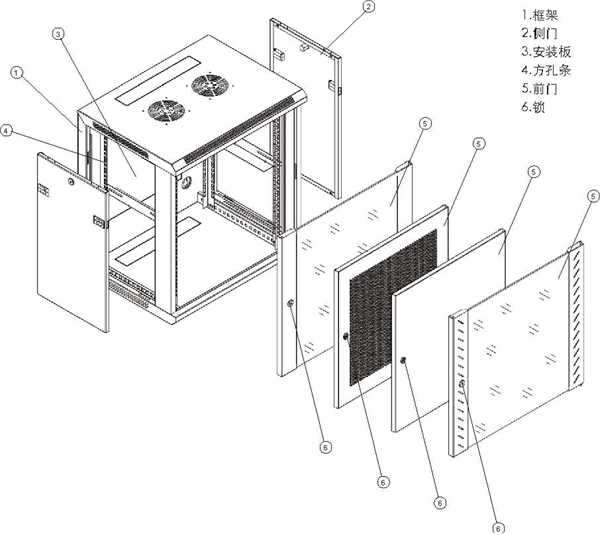
Asia Pacific is expected to maintain its position as the dominant force in the global optical modules market, driven by substantial investments in telecommunications infrastructure and data cent.
Optical fiber consists of a and a layer, selected for due to the difference in the between the two. In practical fibers, the cladding is usually coated with a layer of or. This coating protects the fiber from damage but does not contribute to its properties. Individual coated...
Optical modules can be categorized into commercial grade (0℃~70℃), extended grade (-20℃~85℃), and industrial grade (-40℃~85℃) according to the different operating temperature ranges. Industrial-grade optical modules are optical modules that can be used in harsh high and...
[PDF Version]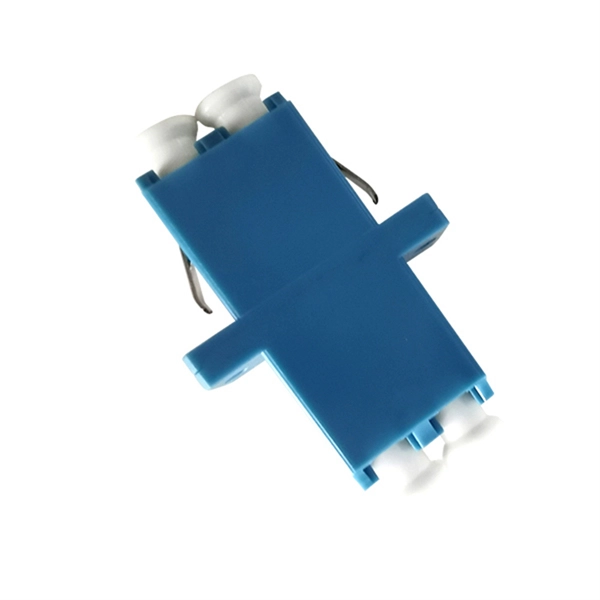
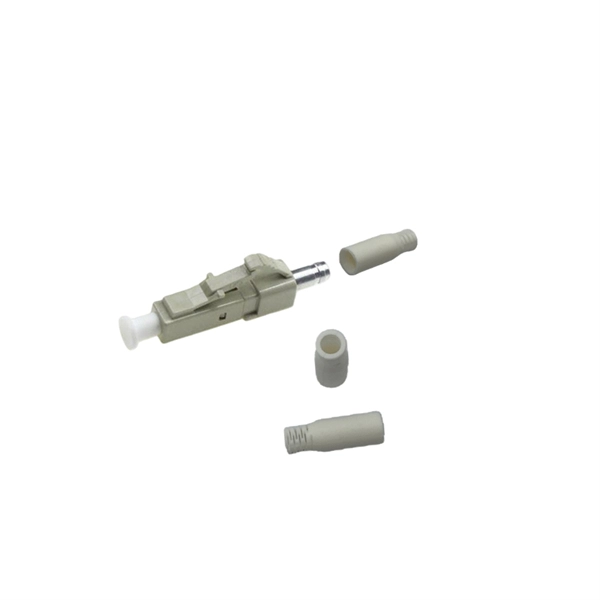
Common optical module types such as SFP, GBIC, XFP, and XENPAK, along with optical interfaces like FC, SC, and LC, each have their unique characteristics that make them suitable for specific application scenarios. The performance of a network is heavily dependent on the...
[PDF Version]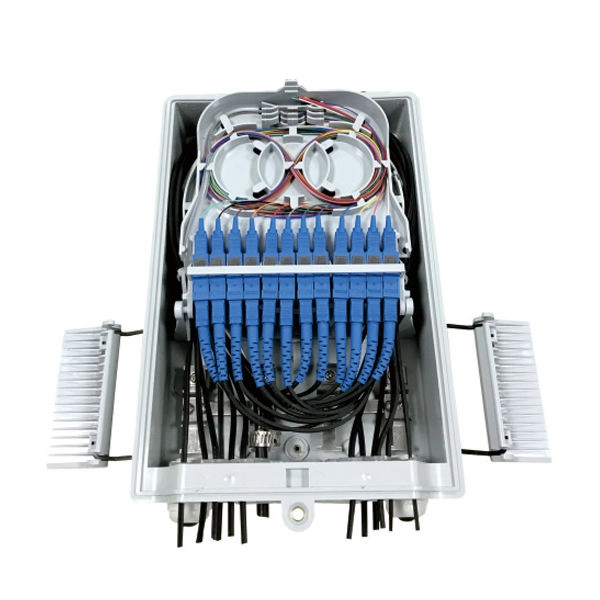
Our guide delivers actionable, step-by-step best practices for rack layout, cable management, and patch panel installation. Following these steps helps you build a clean and efficient structured cabling system that simplifies maintenance and maximizes network performance...
[PDF Version]Share the fiber interfaces, termination capacity, cable route and evidence required for handover.