
Connections Among Fiber Terminal Boxes And Patch
Search optical fiber, connectivity, cable management and network infrastructure references.
-
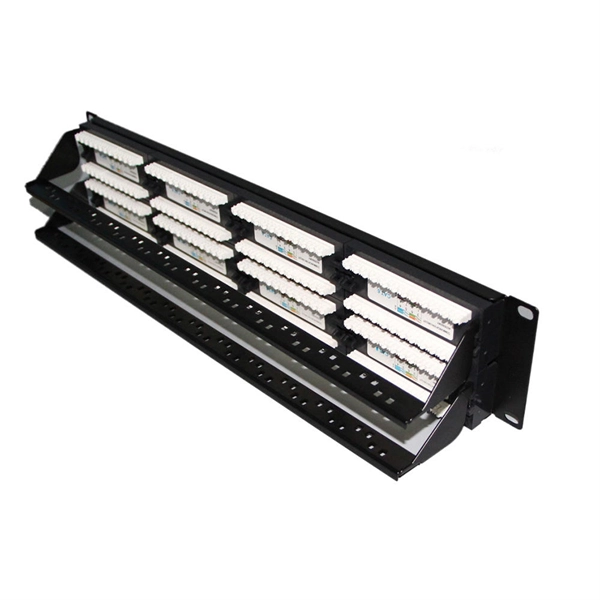
How to connect fiber optic terminal boxes to fiber optic boards
Learn how to install a fiber optic termination box step-by-step for FTTH projects. Covers mounting, splicing, routing, labeling, and testing for indoor/outdoor use. It functions as a junction between the incoming fiber cable and the outgoing customer-side fiber cable, where...
[PDF Version]
-
Techniques for connecting fiber optic boxes and terminal boxes to optical cables
How to Splice Fiber in a Terminal Box: Complete GuideIn this guide, we'll walk through the complete installation process-from tool preparation and fiber en.
[PDF Version]
-
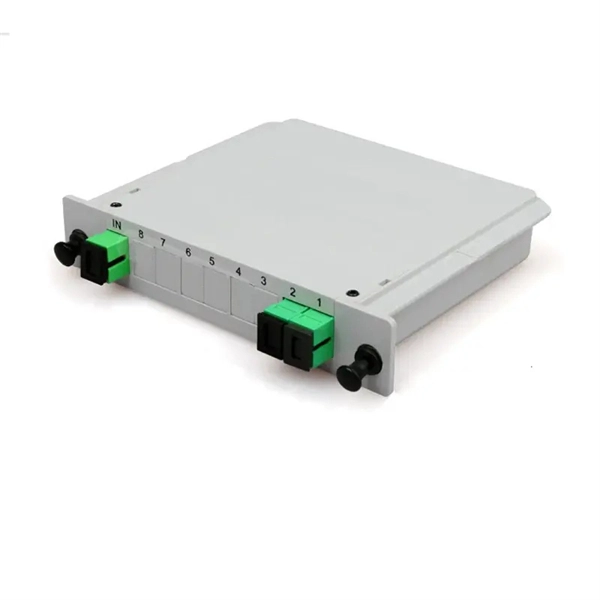
The fiber optic terminal box is directly connected to the server
The wall-mounted FTB is designed for direct connection (procedures like splicing, fusion, terminating will be done before installation) while the rack-mounted enclosures are for cross-connect or interconnect architecture. A Fiber Termination Box, also known as an optical...
[PDF Version]
-
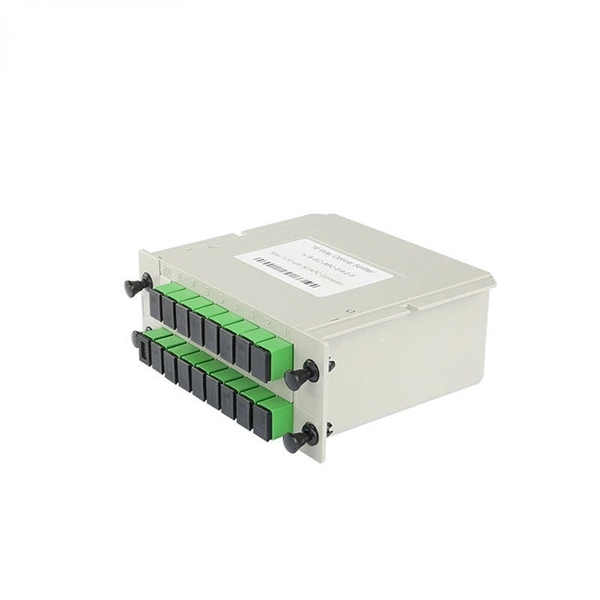
Fiber Optic Terminal Box Direct Fusion Pigtail
The 4 port fiber termination box is designed to joint optical fiber cable and pigtail or splitter, and realize cable direct connection and branch connection. The plastic box offers the functions of fiber mechanical/fusion splice, splitting, and distribution suits both indoor...
[PDF Version]
-
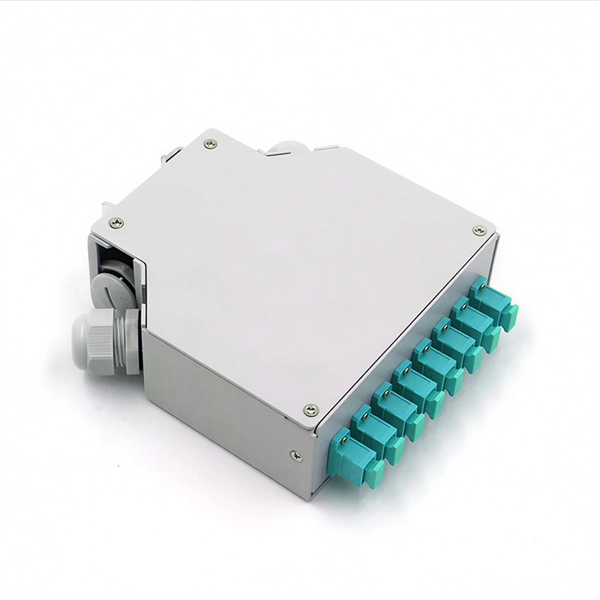
How to unplug the fiber optic terminal box interface
Unplug the power cord: Locate the power cord connected to your ONT box and unplug it from the power outlet. Wait for 30 seconds: Allow the device to discharge any residual power. How to Remove Reinstall Fiber Optic Box Outlet Disconnect Fiber Port for GPON ISP Fiber...
[PDF Version]
-
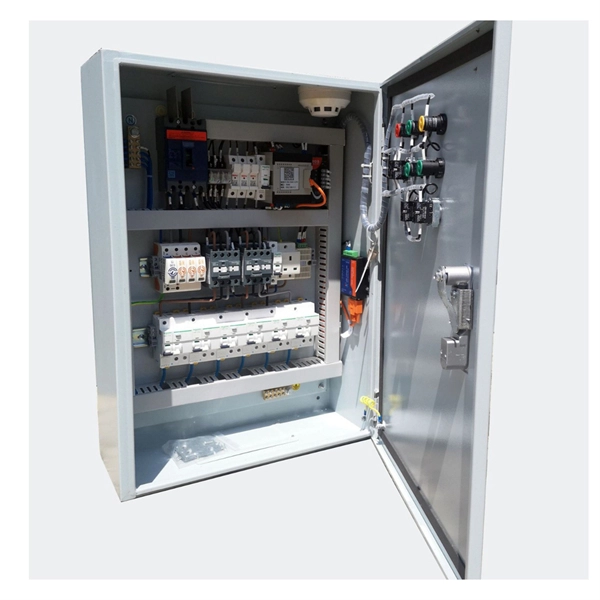
Huawei Fiber Optic Terminal Box Model
Huawei 2120-T-1 Fiber Optic Terminal Box is a high-quality solution for FTTH and FTTX network projects. This wall-mounted optical distribution enclosure integrates SC access faceplate, fiber pigtail, and adapter, ensuring stable splicing, protection, and easy cable...
[PDF Version]
-
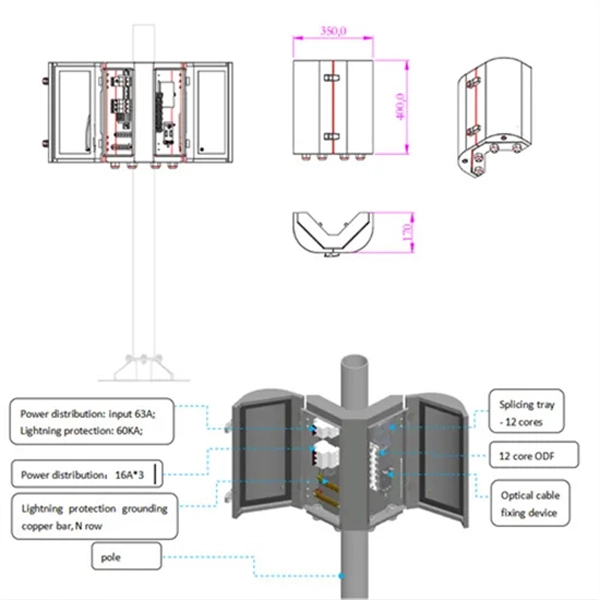
Advantages of FC and LC terminal boxes
Ruggedness: Larger plastic housing and ferrule resist physical damage. Cost-Effective: Simple design lowers manufacturing costs (ideal for high-volume deployments). This comprehensive guide dives deep into the most common fiber connector types—LC, SC, FC, ST, and...
[PDF Version]
-
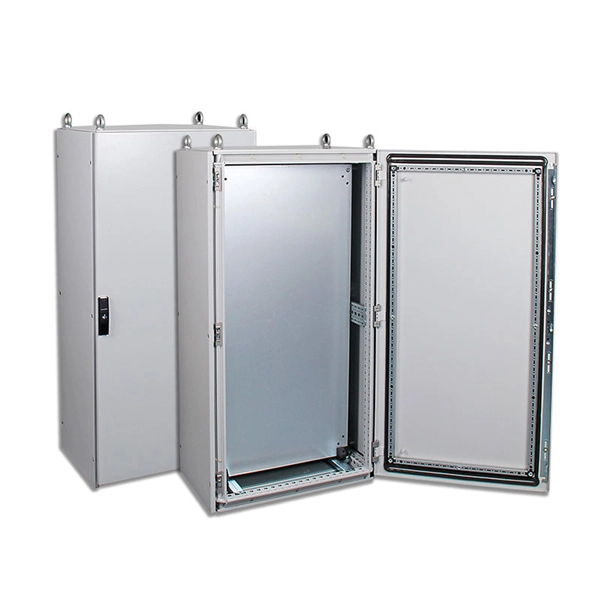
Sri Lanka Door-to-Door Fiber Optic Terminal QSFP28
The QSFP28 module provides 100GBase-LR4 throughput up to 10km over a standard pair of single-mode fiber (SMF) with duplex LC connectors. This transceiver is compliant with IEEE 802. 3ba 100GBASE-LR4, IEEE 802. 3bm, SFF-8665 and SFF-8636 standards. We are the first Sri Lankan...
[PDF Version]
-
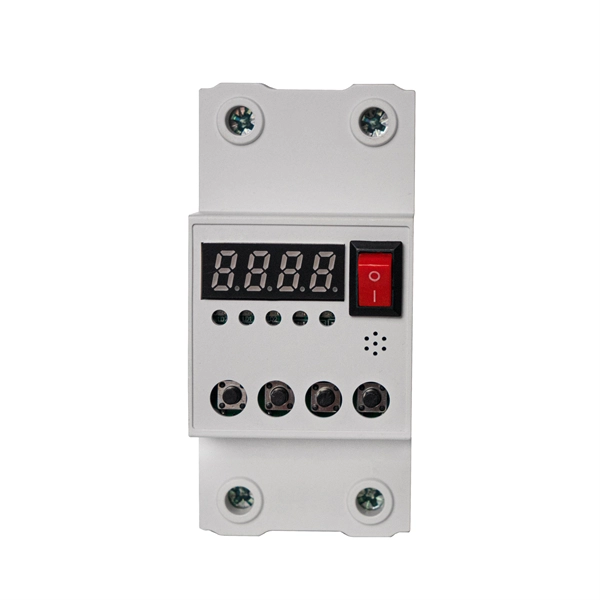
What are the requirements for overhead fiber optic splice boxes
The proper length of fiber is needed to allow splicing and then neatly storing fiber in the splice tray. Inside splice closures and at each end, cables with metallic shielding or strength members must be properly grounded and bonded. The Fiber Optic Association, Inc. The...
[PDF Version]
-
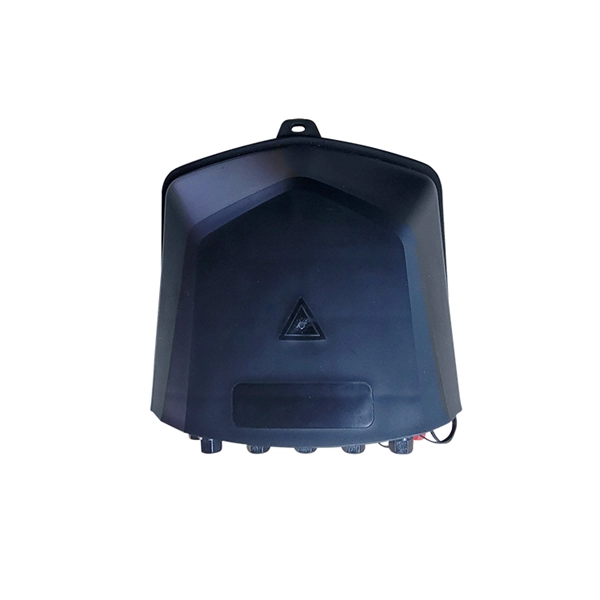
Can fiber optic connections be made using fiber optic tails
A tail fiber, also known as a fiber optic patch cord, consists of a connector on one end and a cut end of the fiber optic cable core on the other. are also. Some fiber connectors are pre-polished mechanical connectors for ease of installation or anaerobic connectors which...
More from the technical library
- How to place the cable trays in the distribution box
- SMC cable tray weight
- Belarusian server room cold aisle waterproof type
- Requirements of Operational Amplifiers for Transimpedance Amplifiers
- Mexican Metro Uses Integrated Container Racks Wall-Mounted
- Quad-port optical amplifier output 22
- Nanya Warranty 400G Optical Module QSFP