
Configuring Aggregation And Access Switches To Be Managed By The
Search optical fiber, connectivity, cable management and network infrastructure references.
-
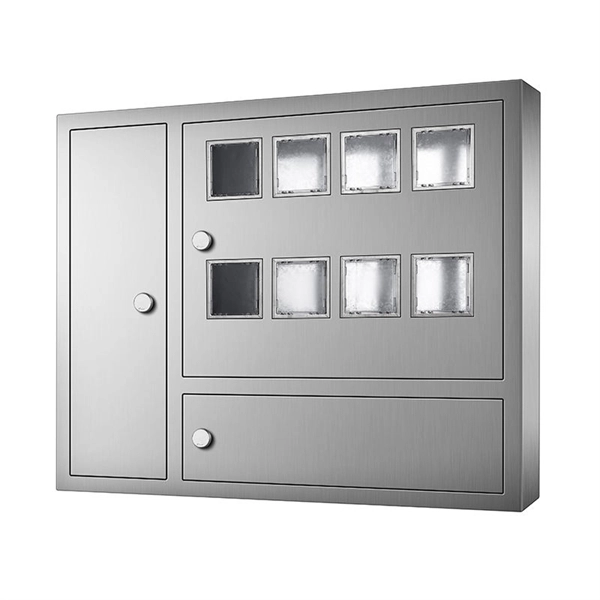
Applications of Gigabit Access Switches
A gigabit access switch is a fundamental component in modern network infrastructure, enabling high-speed data transfer at 1 Gbps between connected devices. These switches come in various types tailored to different networking environments—from home offices to large...
-
Usage Modes of Aggregation Switches
Use Static Mode when simplicity and manual control are priorities. For large enterprise or data-center networks, combining LACP with MLAG ensures maximum uptime and flexibility. An Aggregation or "Top-of-Rack" switch is designed to connect everything in a rack at high speeds...
[PDF Version]
-
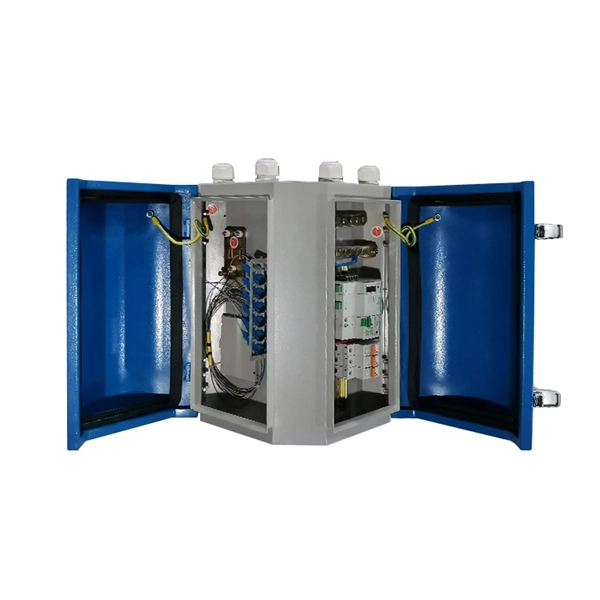
Networking between aggregation switches
Switch-to-Switch Aggregation: This is useful in scenarios where you need to interconnect multiple switches to increase the bandwidth available between them and ensure network redundancy. It helps in managing higher traffic loads between switches. This article looks at what...
[PDF Version]
-
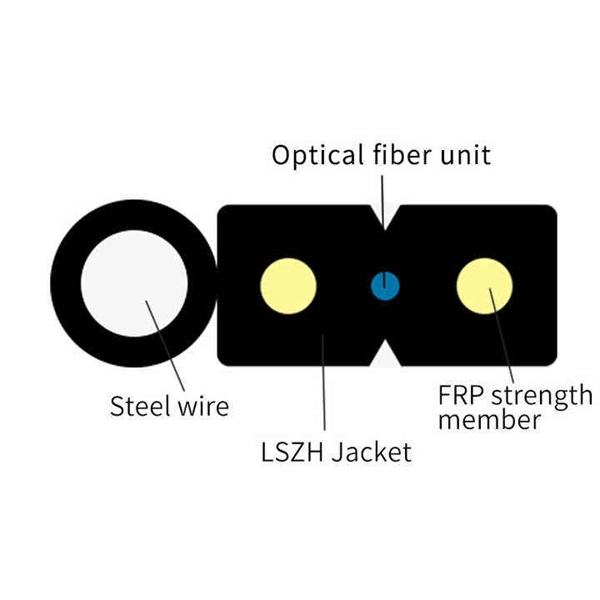
Configuring Power for PoE Switches
This 2025 guide explains how to enable, verify, and optimize PoE on Cisco switches, including standards, power budgeting, configuration commands, troubleshooting steps, and security recommendations. Before enabling PoE, it's important to understand what each. The following...
-
Debugging Wireless Access Layer Switches
This document describes how to implement SDA for wireless technology related to fabric enabled WLC and access LAP on DNAC.
-

Example of configuring interconnection between three core switches
Recently, I built a multi-switch VLAN network in Cisco Packet Tracer, connecting different departments while ensuring seamless communication within VLANs. In this article, I'll walk you through the setup, configuration, and successful implementation of VLANs and trunking...
[PDF Version]
-
Static Binding of Access Switches
This document describes the configuration of Access Policies, Static Binding (Paths) or Layer 2 Outside (L2Out) using the Static Binding method, L2Out using the Routed Bridged Network method, Layer 3 Ou.