
Configuration Methods
Search optical fiber, connectivity, cable management and network infrastructure references.
-
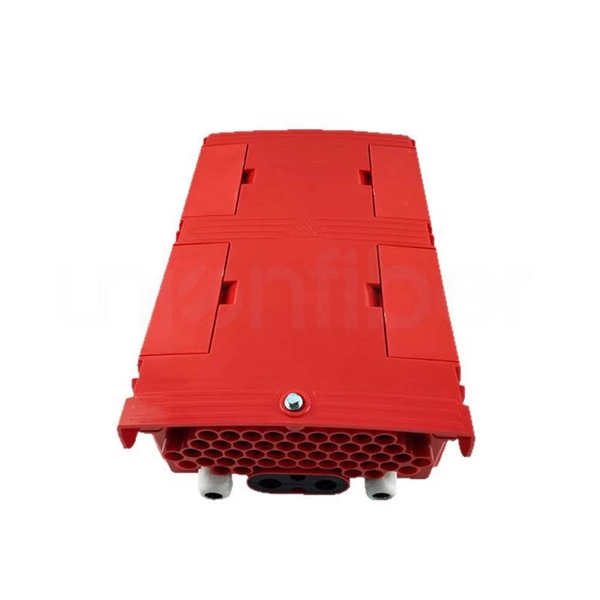
Methods for Laying Bundle-Shaped Indoor Optical Cables
This article examines common methods for installing indoor optical fiber and outlines the requirements for the job. OPGW, all-dielectric self-supporting cable, and OSFP 400G transceivers are part of modern SDGI, so we'll also discuss it. The objective of this document is to...
[PDF Version]
-
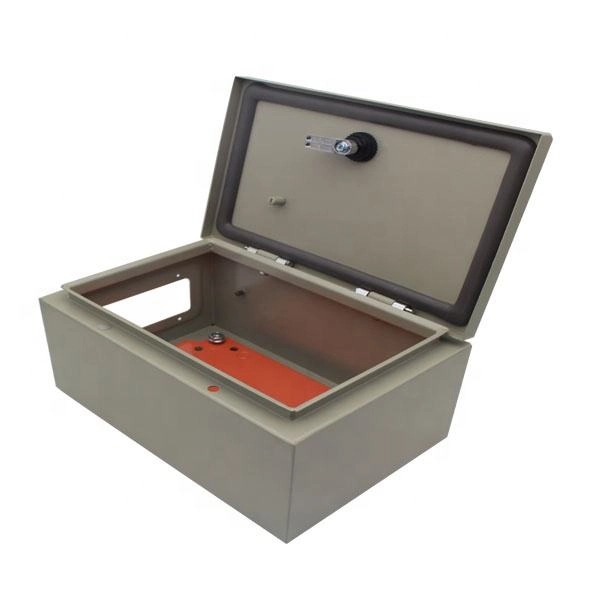
Methods for bolting cable tray supports
Mounting Clamps: These are great for securing cable trays to walls or ceilings. When developing our cable support OBO can offer reliable solutions for systems, three attributes are at the routing and fastening cables securely core of what we do: efficiency, resil- for each of...
[PDF Version]
-
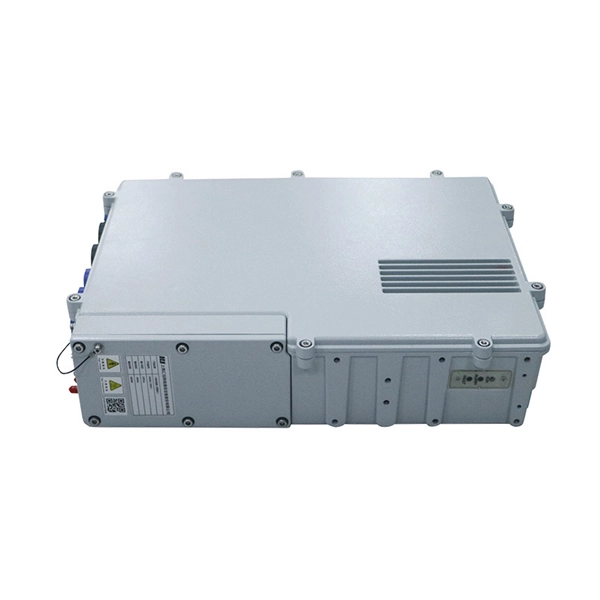
Methods for splicing optical cables through conduits
The two primary industry-accepted methods for fiber optic cable splicing are fusion splicing and mechanical splicing. The choice between them depends on performance requirements, budget constraints, and the specific application environment. For network managers and...
[PDF Version]
-
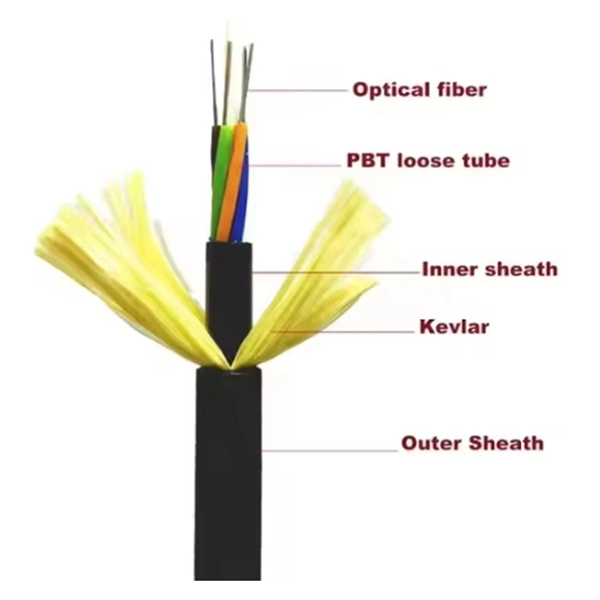
Configuration of the building s electrical distribution box
This guide covers split load vs dual RCD vs RCBO board configurations, circuit arrangement and allocation, BS 7671 labelling requirements, type testing under BS EN 61439, SPD installation, wiring best practice, and the common mistakes found during EICR inspections. Learn how...
-
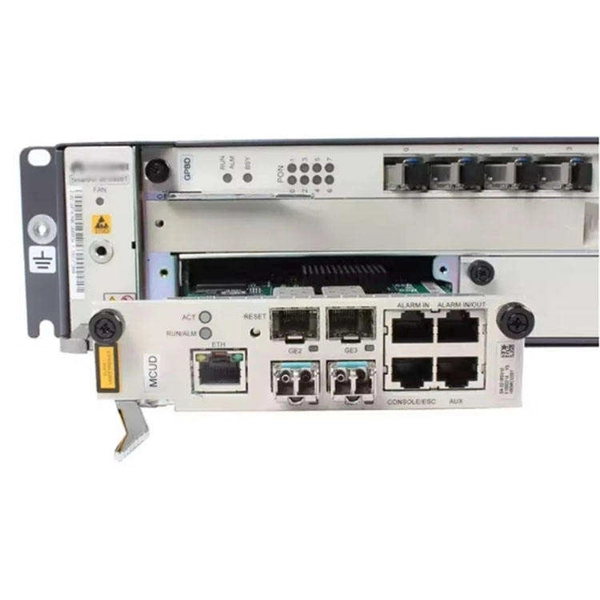
Electrical Configuration of Power Distribution Box
Circuit breaker wiring configurations involve organizing main switches, busbars, and branch breakers within a distribution box. Proper setups ensure balanced electrical loads, ground fault protection, and easy maintenance. Common configurations include single-phase for homes...
-
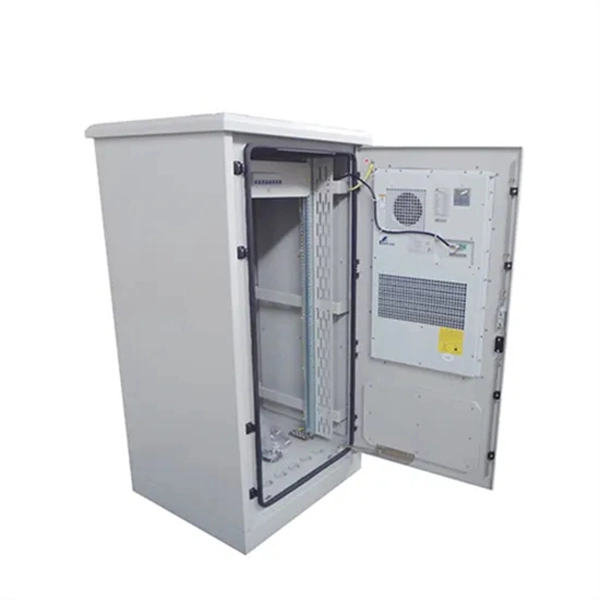
What are the different coupling methods for fiber optic arrays
What are the main methods for joining optical fibers? The primary methods are (a) fusion splicing for permanent, low-loss connections, (b) mechanical splices for semi-permanent joints, and (c) fiber connectors for connections that need to be frequently disconnected and...
[PDF Version]