
Coarse Wavelength Division De Multiplexer Based On Cascaded
Search optical fiber, connectivity, cable management and network infrastructure references.
-
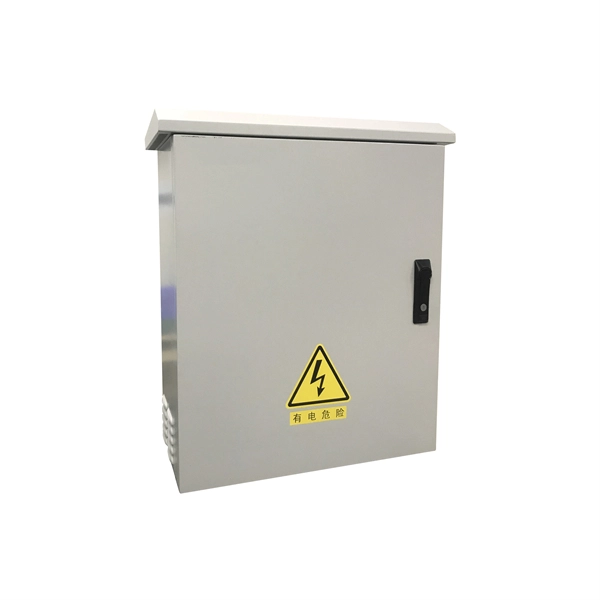
Optical Wavelength Division Multiplexer Production
Optical receivers, in contrast to laser sources, tend to be wideband devices. Therefore, the demultiplexer must provide the wavelength selectivity of the receiver in the WDM system. WDM systems are divided into three different wavelength patterns: normal (WDM), coarse (CWDM)...
[PDF Version]
-
Wavelength division multiplexer for sale
Explore a wide range of our Wavelength Division Multiplexer selection. Find top brands, exclusive offers, and unbeatable prices on eBay. Thorlabs' WDMs featured on this page are manufactured using Fused Biconic Taper (FBT) technology and are designed for common NIR and...
[PDF Version]
-
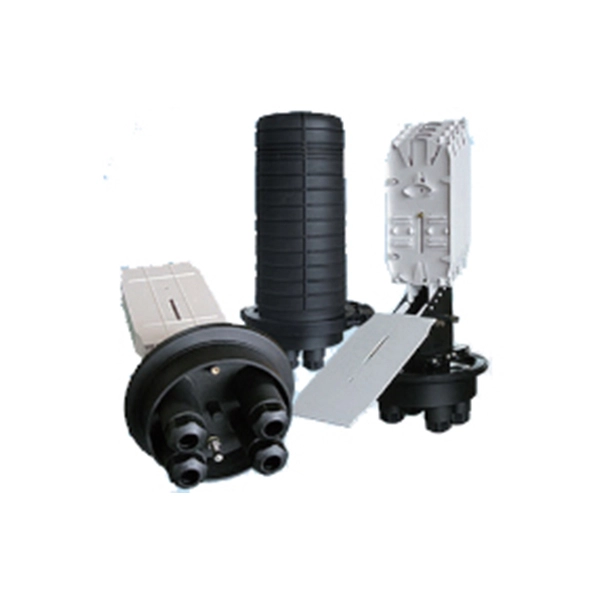
Internal Working Principle of Wavelength Division Multiplexer
Wavelength division multiplexing (WDM) is a technology that combines two or more optical carrier signals of different wavelengths (carrying various information) at the transmitting end through a multiplexer (also called a combiner, Multiplexer) and couples them to the same...
[PDF Version]
-
Israel s private power grid AWG wavelength division multiplexer anti-tracking
This technique enables bidirectional communications over a single strand of fiber (also called wavelength-division duplexing) as well as multiplication of capacity.OverviewIn, wavelength-division multiplexing (WDM) is a technology which a number of signals onto a single by...
-
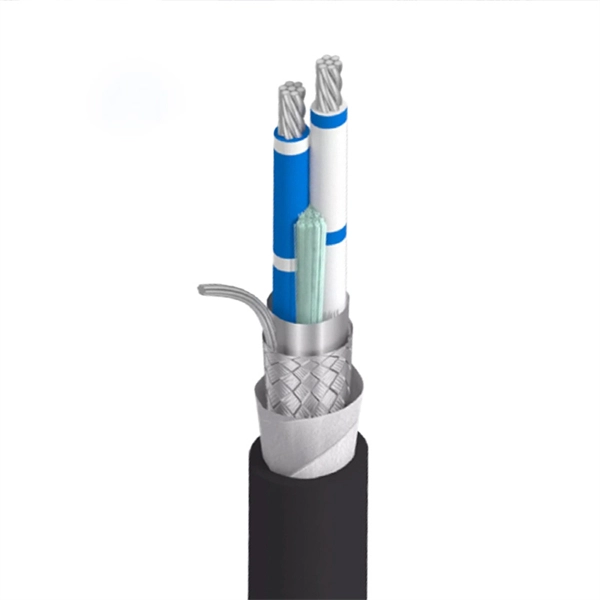
Customization Process for New Coarse Wavelength Division Multiplexers for Subways
SpectraMux® CWDM | OEM Optical Communication Solutions | CorningOur CWDM products separate wavelength into bands of 20 nanometers to cover the complete fib.
[PDF Version]
-
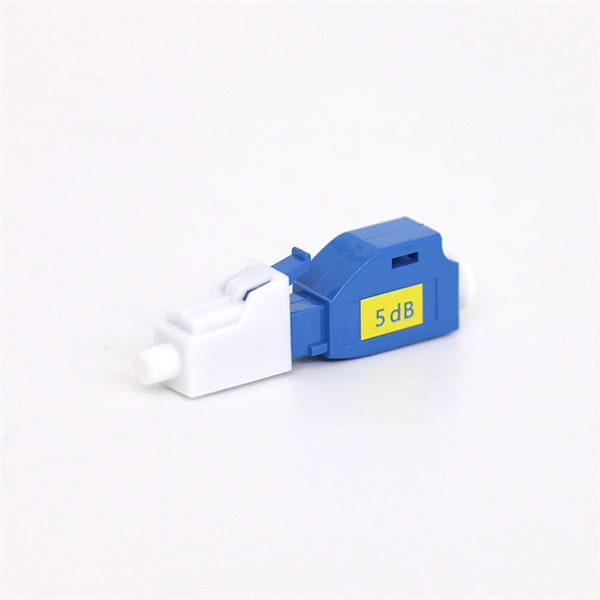
What does the COM port of a wavelength division multiplexer mean
COM stands for Common Port, and it's the main interface for signal input or output in a WDM module. In MUX (Multiplexer) mode, the COM port outputs a combined optical signal composed of multiple wavelengths. This technique enables bidirectional communications over a. CWDM...