
Fiber infrastructure reference
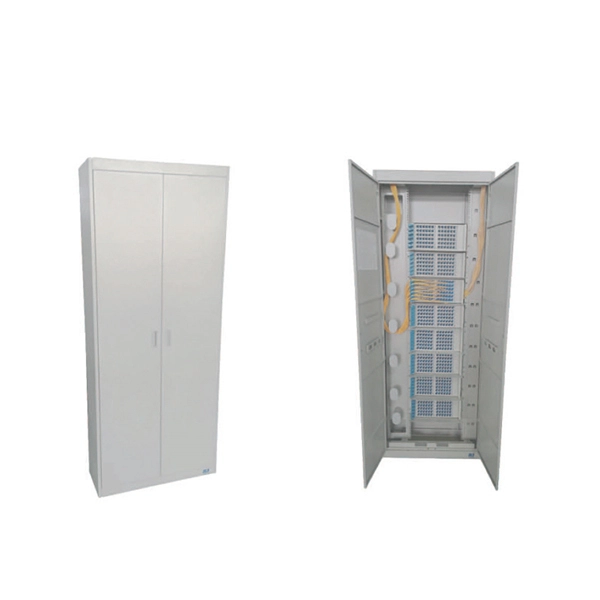
Technical Specification for Explosion Proof Cabinets: A Guide
Compliance with essential regulatory standards and certifications is non-negotiable for explosion proof distribution cabinets. These standards provide a framework for electrical safety in
Explosion-Proof Distribution Boxes: Classification and Technical
Explosion-proof distribution boxes are electrical enclosures designed and manufactured according to specific standards. Their core function is to ensure that if an explosion occurs inside the
Explosion-Proof Electrical Box: Principles, Selection, and Industrial
Comprehensive guide on explosion-proof electrical boxes, including definitions, classifications, selection guidelines, testing certifications.
Classification Of Explosion-Proof Distribution Boxes
The above are the categorization methods for explosion-proof distribution cabinets, compiled to assist in your selection process. To meet market demands, explosion-proof cabinet
Explosion Proof Enclosures | Complete Hazardous Area Guide
Learn everything about explosion proof enclosures for hazardous areas—design, certification, and industrial applications with ATEX, IECEx, and Class I Div compliance.
Explosion Proof Ratings: NEC, ATEX & IECEx Guide
Choose the right explosion proof ratings for your site: NEC Class I/II/III, ATEX, and IECEx — facility matrix, decision tool, and case study.
Explosion-Proof Protection Types Explained | Ex
By implementing explosion-proof protection, engineers can safely operate motors, control panels, junction boxes, instrumentation, and sensors
Hazardous Area Electrical Enclosures: Types, Ratings & Compliance
Learn about hazardous area electrical enclosures, enclosure types, material selection, IP/NEMA ratings, and compliance requirements for explosive environments.
Model And Specification Of Explosion-Proof Distribution Box
Explosion-proof lighting distribution boxes and cabinets come in a variety of models. They vary in terms of materials, including metal and flame-retardant plastic; installation methods, such as
Overview of Explosion Protection Techniques
Basic concept: Ex n consists of several sub types of protection. In most cases being simplified versions of existing types of protection: Basic design is: safety by either limitation of radiation or protection of
Top 3 Facts About Explosion Proof Distribution Box
Image Source: pexels Explosion proof distribution boxes and electrical enclosures are critical components for ensuring safety in hazardous
Explosion-Proof Distribution Boxes: Special Installation Requirements
Unlike standard distribution boxes that could become shrapnel shards in volatile environments, explosion-proof containers are engineered fortresses that absorb, contain, and vent
Explosion-Proof Electrical Box: Principles, Selection, and Industrial
The main structure of an explosion-proof electrical box includes the housing, cover, flameproof joints, sealing rings, cable entries, and internal component mounting brackets. A well
Explosion Proof Enclosures for Hazardous Zones & NEMA Ratings
Every Explosion Proof Enclosure, intrinsically safe barrier, junction box or any other containment enclosure should comply with the standards outlined by NEC Hazardous Area Classifications.
Explosion proof distribution box standards and
I. Explosion-proof distribution box general standards Distribution box production technology indicators to meet the specifications and design requirements, and in
Explosion-Proof Electrical Distribution Boxes: Applications in
Temperature classification plays a vital role in the design of explosion-proof electrical distribution boxes, specifically within the T4 to T6 range. These classifications delineate the maximum surface
Distribution box solutions for explosion-proof environments in
Explosion-proof distribution boxes represent where regulatory wisdom meets engineering excellence. What appears as simple protective enclosures are actually sophisticated safety systems
5 Key Factors to Consider When Selecting Explosion
Manufacturers design explosion-proof distribution boxes to comply with these safety standards. Compliance with these standards guarantees