
Fiber infrastructure reference
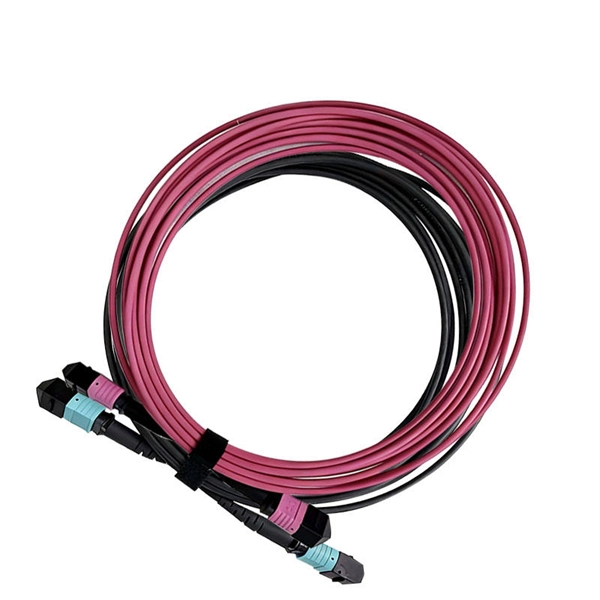
The Key Differences Between 1-core, 2-core, Single Mode, and Multi
Single Mode fibers have a smaller core, allowing light to travel in a single, straight path, ideal for long distances with less signal loss. Multi-mode fibers have a larger core, allowing multiple
Single-mode optical fiber
OverviewCharacteristicsHistoryConnectorsFiber optic switchesQuadruply clad fiberExternal links
Unlike multi-mode optical fiber, single-mode fiber does not exhibit modal dispersion. This is due to the fiber having such a small cross section that only the first mode is transported. Single-mode fibers are therefore better at retaining the fidelity of each light pulse over longer distances than multi-mode fibers. For these reasons, single-mode fibers can have a higher bandwidth than multi-mode fibers. Equipment for single-mod
What Are Fiber Modes? Single-Mode vs. Multi-Mode
Single-Mode Fiber (SMF) is engineered with an extremely narrow core, typically 8 to 10 micrometers in diameter. This physical constraint restricts the light to a single propagation path or
Single-mode Fibers
We explain the criterion for single-mode guidance, the influence of the core size, launching light into a single-mode fiber, and how to achieve large mode areas.
from the net: Overview of Single-Mode and Multimode
Single-mode fiber has a very small core diameter (8-10 microns) and uses lasers or highly focused light sources so that only one light mode travels
Single Mode vs. Multimode Fiber Optic Cables
The cut off wavelength is a key parameter that determines whether a fiber supports single or multiple modes; singlemode fibers are designed so their
Fiber Optic Cable Types Explained
OS1 single mode fiber optic cables are made with a single mode fiber core, which means that they have a very small core diameter of 9 microns. This allows the
Key Specifications of Single-Mode Fiber Optic Cables:
Single-mode fiber optic cables have a core diameter of about 9µm, operate at wavelengths like 1310nm or 1550nm, deliver very low attenuation, and
Singlemode vs Multimode Fiber Optic Cable
Singlemode fiber has a core that is physically sized to carry a single wavelength of light, nearly eliminating the modal dispersion and scattering effect.
Single-Mode Fiber-Optic Cabling:
Explore the high-speed world of single-mode fiber-optic cabling, where data travels on beams of light, offering unparalleled efficiency.
How Many Cores Do You Need in Your Fiber Optic
Fiber optic cables are the backbone of modern internet infrastructure, but choosing the right one can be tricky. One key factor is the number of cores,
Single Mode vs Multimode Fiber, What is The
Learn the key differences between single mode vs multimode fiber cables and choose the right one for your fiber optic system.
Single Mode vs Multimode Fiber: A Complete
Single Mode Fiber (SMF): Features an extremely small core diameter, typically 9 micrometers (µm). This tiny core allows only one single path or
How Many Core In Fiber Optic Cable Do I Need
Considering the cost, building a single-mode optical cable is actually to pull a 6-core single-mode optical cable to the optical node If you need fiber optic
The Ultimate Guide to Understanding Fiber Optic Cable
A: Single-mode fiber optic cables have a different core diameter than multimode fiber, and they also transmit light differently. The thinness of single
The Advantages of Single-Mode Fiber in Telecommunications
Explore the world of single-mode fiber optic cables and discover their crucial role in long-distance telecommunications.
Single Mode vs. Multi Mode Fiber: Key Differences
Explore the differences between single mode and multi mode fiber optics. Understand their dimensions, transmission rates, attenuation, applications, and
Understanding Fibre Optic Cable Types: Single-mode
Single-mode and Multimode fibre optic cables are crucial components in various applications, yet distinguishing between the two can be
Related Video Reference
This video was associated with the source search result. Verify technical details against current product documentation and project requirements.