
Fiber infrastructure reference
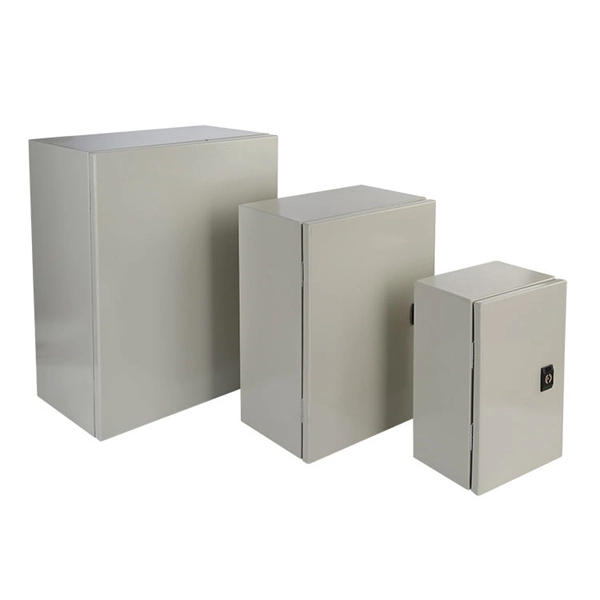
Reasons for failure of explosion-proof distribution box and
In the process of use, many explosion-proof distribution boxes are prone to a variety of failures. What are the causes of these failures? How to improve the explosion-proof distribution box to better
Cause Analysis of the Facility Failure Leading to the Explosion
The fault tree of accidents leading to explosion or fire on transformer station is constructed and analyzed. The probability of the accident has been assessed by the expert method.
Ex-Junction boxes and terminal enclosures ATEX
The sturdy CEAG junction boxes made of light metal are used to distribute and conduct electricity in Zone 1 and Zone 2 areas with no risk of explosion. Optionally, mantle terminals with a terminal range
Terminal and Junction Boxes (Ex e, Ex i, Ex op) | Explosion Protection
They are certified in accordance with international explosion protection standards such as ATEX, IECEx, NEC, and others for safe and reliable signal and power distribution in Zone 1, Zone 2, Zone 21, Zone
Ex-Proof & Flameproof Enclosures & Junction Box | Supermec
All explosion-proof enclosures, lighting or power distribution boxes are manufactured using the latest technologies, both mechanical and electrical, using materials able to resist in most highly corrosive
Terminal and Junction Boxes (Ex d) | Explosion Protection
With their rugged construction and well-thought-out design, Pepperl+Fuchs Ex d terminal boxes and junction boxes simplify both installation and maintenance while providing reliable explosion
Ex Local Control Stations & Distribution Boxes · Atex Delvalle
Atex control stations, explosion protected control units and distribution boxes made stainless steel maritime grade AISI 316L or AISI 304L. Atex Delvalle provides a custom build facility for Hazardous
Energy Distribution
Our experts have in-depth knowledge and extensive experience in a wide variety of explosion-protection principles and will work with you to select the right solution for your application.
Terminal boxes | Junction boxes | Ex | Ex e | Ex d | ATEX | Explosion
Safely conduct, connect and distribute energy in hazardous areas with R. STAHL''s terminal boxes. We offer bespoke, custom-made terminal boxes and terminal box combinations, as well as standard
Power Distribution Systems | Explosion Protected | R. STAHL
This combination enclosure allows for non-rated breakers to be used by means of explosionproof protection, while having the advantage of cable gland entries to the terminal box enclosure for field
CBS News | Breaking news, top stories & today''s latest headlines
CBS News offers breaking news coverage of today''s top headlines. Stay informed on the biggest new stories with our balanced, trustworthy reporting.
Expert Guide: Selecting Temporary Power Distribution Boxes
Industrial sites demand electrical systems that perform under pressure. Temporary power distribution boxes handle that role, routing electricity where it needs to go while keeping...
Why Do Transformers Blow? [Common Cause of Fire
Lightning Lightning is the most common cause of transformer failure. Power companies have to deal with several exploded transformers every time
Explosion Proof Power Distribution Boxes CE92
Flameproof and explosion proof, these power overhaul distribution boxes are suitable for use in hazardous areas. Specs: Ex mark: Ex de ⅡC T4 Gb DIP A21 TA, T4 Intended use: Zones 1 and 2,
Global Explosion-proof Power Distribution Boxes Market Size, Share
The explosion-proof power distribution boxes market represents a specialized segment within the broader industrial electrical equipment landscape, focusing on enclosures designed to operate safely
Explosion-Proof Distribution Boxes & Panels
The explosion-proof distribution box safely delivers power in hazardous zones (oil, gas, chemical plants) with rugged, spark-resistant casing—ATEX/IECEx, IP66
Everything You Need to Know About Temporary Power
What are some common applications for temporary power distribution boxes? We''ll explain how they work and benefit your business. Learn more here!
Portable Splitter Box Hazardous Areas
This enclosure is CE marked to the Atex Directive for safe use in zones 1 and 2 potentially explosive gas and zones 21 and 22 dust atmospheres, making it ideal for power distribution within hazardous area