
Calculating Switching Capacity A Step By Step Guide Nsc
Search optical fiber, connectivity, cable management and network infrastructure references.
-
KVM Switcher Seamless Switching Between Two Inputs and One Output
KVM switches let you control multiple computers with one keyboard, mouse, and monitor, eliminating cable clutter and duplicate peripherals. The HDS-21RS features auto-scaling of any video signal up to 1080p, as well as PIP (picture-in-picture) technology offering. Built for...
[PDF Version]
-
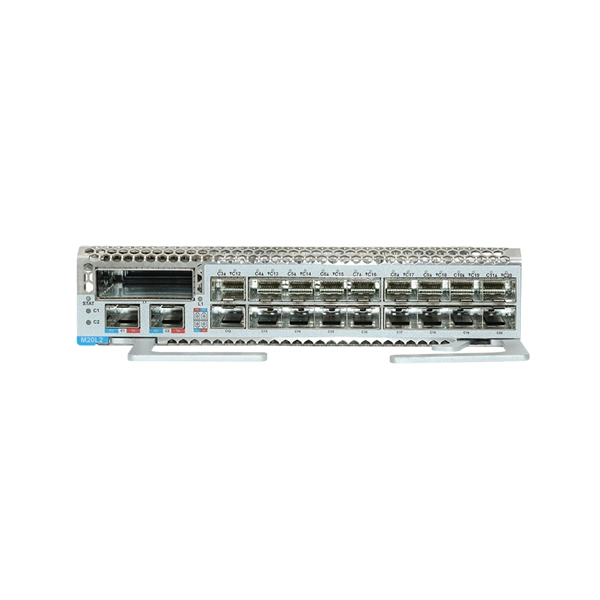
Selection Guide for Low-Loss Active Optical Modules for Power Grid Private Networks
This article will analyze key performance parameters such as transmission rate, wavelength, numerical aperture (NA), output power, and receive sensitivity of optical modules. It will also discuss how to choose suitable optical modules based on practical requirements. As...
[PDF Version]
-
Airport-grade Passive Optical Network QSFP-DD Selection Guide
This guide explains how to choose QSFP-DD transceivers step by step, helping you avoid costly mistakes and ensure compatibility across your network. Cisco QSFP-DD and OSFP 800G ZR/ZR+ digital coherent optics modules enable 800G traffic over amplified Dense Wavelength-Division...
[PDF Version]
-
Practical Guide to Selecting 6-Core Optical Cables
When selecting a 6 core fiber optic cable for your networking needs, prioritize single-mode over multimode if you require long-distance transmission (over 550 meters), and ensure the cable includes tight-buffered or loose-tube construction based on indoor or outdoor use. For...
[PDF Version]
-
How to configure a TP-Link router after switching to fiber optic internet
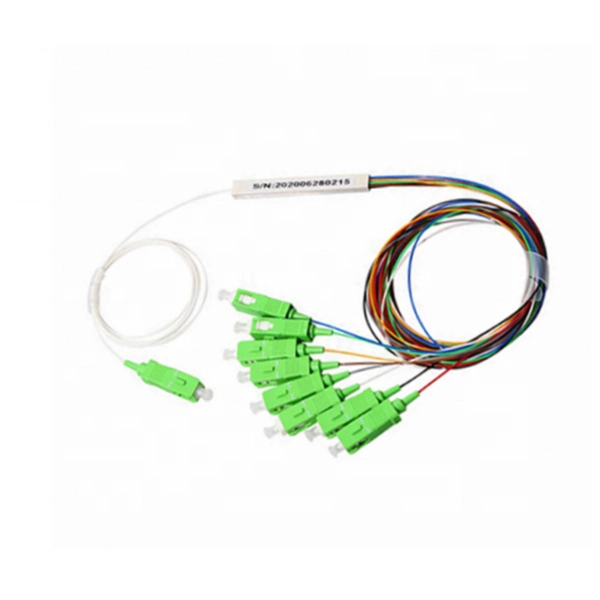
This guide walks you through a complete TP-Link router setup using the browser-based web management page. net once your device is connected to the router. Often, your Internet Service Provider ISP will supply a. To connect your fiber optic cable to a router, ensure you have...
[PDF Version]
-
Formula for Calculating Optical Cable Loss in Telecommunications
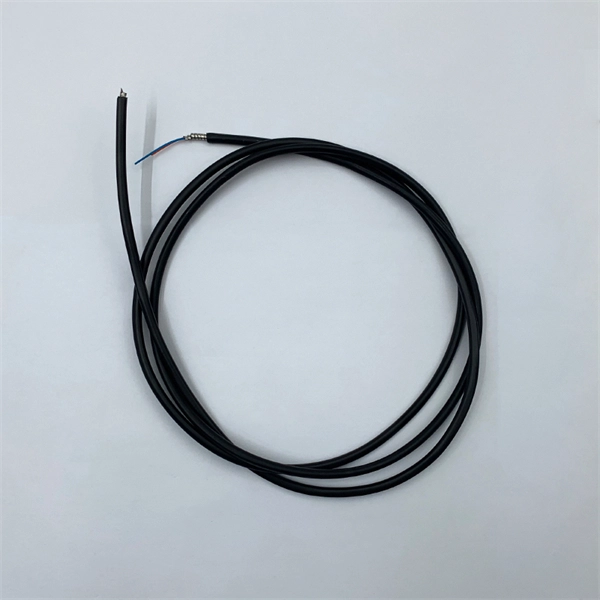
The calculation follows this formula: Total Link Loss = (Cable Attenuation) + (Connector Losses) + (Splice Losses). Cable attenuation is found by multiplying the fiber length in kilometers by its loss coefficient (e. Select a cable type or choose custom cable values. Enter...
[PDF Version]
-
Inspecting the capacity of fire cable trays
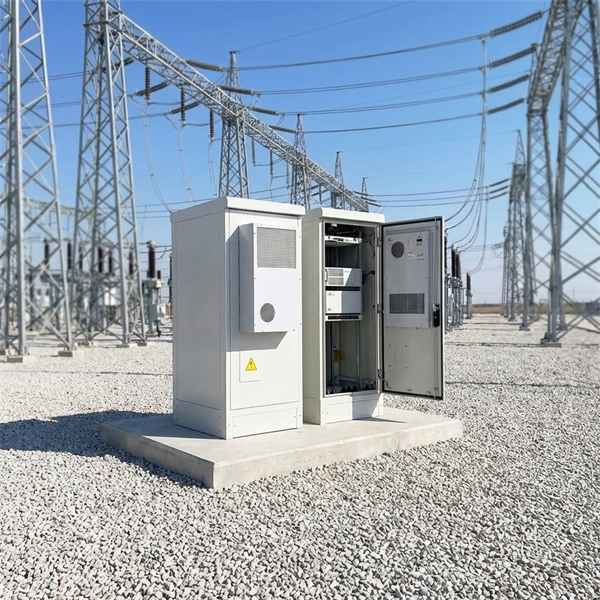
Use this structured inspection guide to ensure the physical and fire-resistant integrity of cable tray covers across critical facilities. Assess mounting, labeling, fire stopping, and documentation against NFPA, NEC, and ASTM standards. Why Are Cable Tray Inspections...
[PDF Version]
-
Selection Guide for New Types of Optical Amplifiers for Emergency Communication
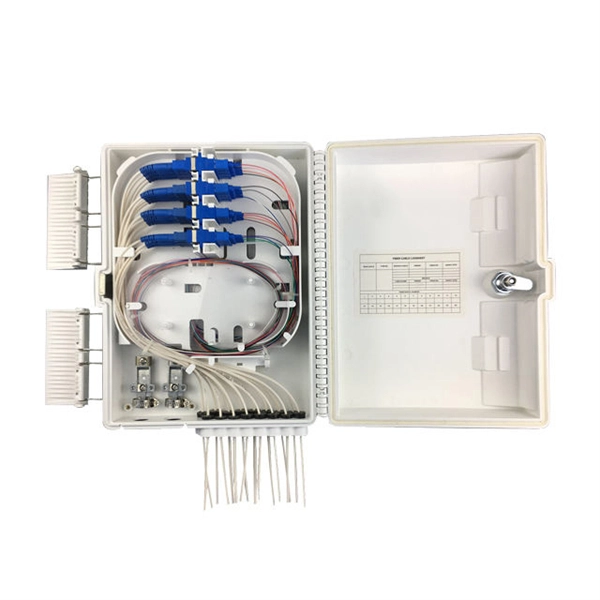
Choose EDFA for long-haul and DWDM networks, Raman amplifiers for ultra-long or noise-sensitive systems, and SOA for compact or integrated optical solutions. The selection depends on required bandwidth, gain, and noise performance. 📦 For purchasing, use the RP Photonics...
[PDF Version]
-
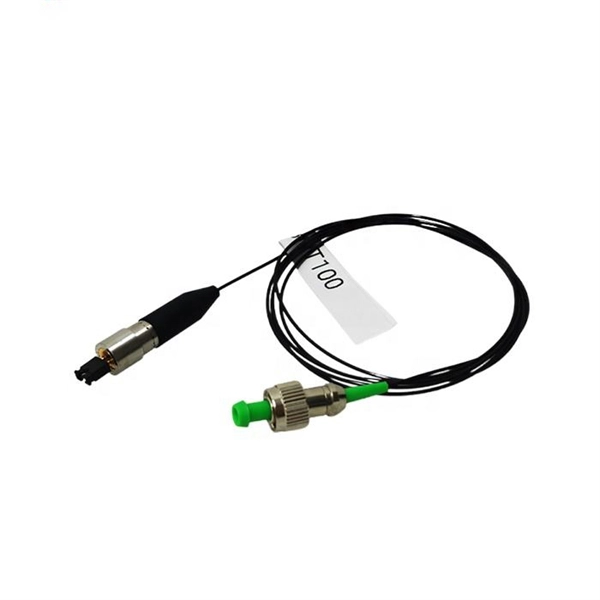
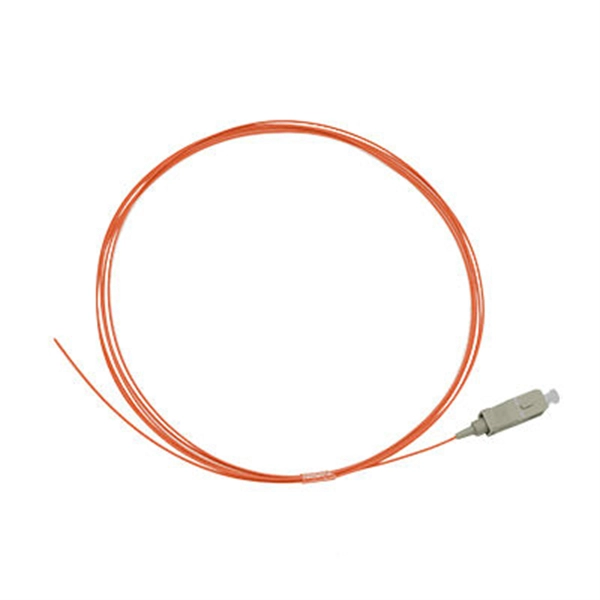
Do we need to include pigtails when calculating cable specifications
The pigtail size is irrelevant for box fill since conductors that do not leave the box do not count. In this complete guide, we'll walk you through the complete cable sizing process based on IEC 60364-5-52 standards. You will learn: ✔ How to calculate ampacity with all...
[PDF Version]