DOLPHIN FIBERNetwork equipment for Africa Send a project enquiry
Fiber network equipment / Technical library Optical reference library

Cable Tray Issues and Recommended Solutions

Jump to a section
Source context

AI source overview

Common cable tray issues include sagging, overheating, corrosion, misalignment, and safety hazards, which can be mitigated through proper design, installation, and maintenance practices. Common Cable Tray Issues1. Tangled and Disorganized Cables Cables can become tangled when expansions are made without re-evaluating the layout or when separators and organizers are missing.

This can reduce cable lifespan and complicate maintenance. 2. Overheating Limited airflow in densely packed trays or placing high-current power cables near sensitive control lines can cause overheating, potentially damaging cables and reducing efficiency.

3. Sagging and Deflection Incorrect support spacing, overloaded trays, or using light-duty trays for heavy loads can lead to sagging. This creates tension at connection points and may bend or distort the tray.

4. Corrosion Exposure to moisture, chemicals, or harsh industrial environments can corrode steel trays, weakening their structure and reducing load-bearing capacity. 5.

Misalignment and Joint Failures Improper assembly of tray sections can cause gaps, weak joints, or uneven surfaces, leading to stress concentrations and potential cable damage. 6. Grounding and Electrical Hazards Inadequate grounding of metal trays can create electrical hazards.

Sharp edges or abrasion can damage cable insulation, increasing the risk of short circuits. 7. Accessibility Challenges Trays located behind walls, above ceilings, or along pipe racks may be difficult to access for maintenance, complicating inspections and repairs.

8.

Safety Hazards and Non-

Compliance Exposed wires, lack of tray covers, and improper separation between high-voltage and signal cables can create fire hazards and violate safety standards. Recommended Solutions1. Use Cable Organizers and Dividers Physical barriers within trays separate power, data, and control cables, reducing electromagnetic interference and preventing tangling.

2. Proper Support and Load Management Follow manufacturer load tables and support spacing guidelines. Use heavy-duty trays for high loads and vibration-isolating supports where necessary.

3. Corrosion Prevention Select stainless steel or galvanized trays, apply corrosion-resistant coatings, and conduct regular inspections to prevent structural weakening. 4.

Correct Installation Practices Ensure proper alignment, secure joints with appropriate fasteners, and follow engineering standards to avoid misalignment and sagging. 5. Grounding and Electrical Safety Maintain continuous grounding connections, use edge protectors, and adhere to cable fill limits to prevent electrical hazards.

6. Accessibility Planning Design tray routes for easy access during maintenance, avoiding overly confined or hard-to-reach locations. 7.

Regular Maintenance and Inspections Perform periodic checks for loose bolts, corrosion, sagging, and cable wear. Early detection prevents operational disruptions and extends tray lifespan. 8.

Fault Detection and Troubleshooting Use distance meters and cable locators to identify faults such as short circuits, phase damage, or insulation failures. Address issues promptly to maintain system reliability. By implementing these solutions, businesses can enhance the safety, reliability, and longevity of their cable tray systems while minimizing operational disruptions and maintenance costs.

Research context

Reference summary

How to Fix Common Cable Management Issues using This comprehensive guide investigates the most frequent wire management challenges faced in real-world setu.

From reference to enquiry

Questions for your project

Use these editorial prompts alongside the linked excerpts. They identify items to confirm for your project.

Detailed reading / connection to installation

Fiber infrastructure reference
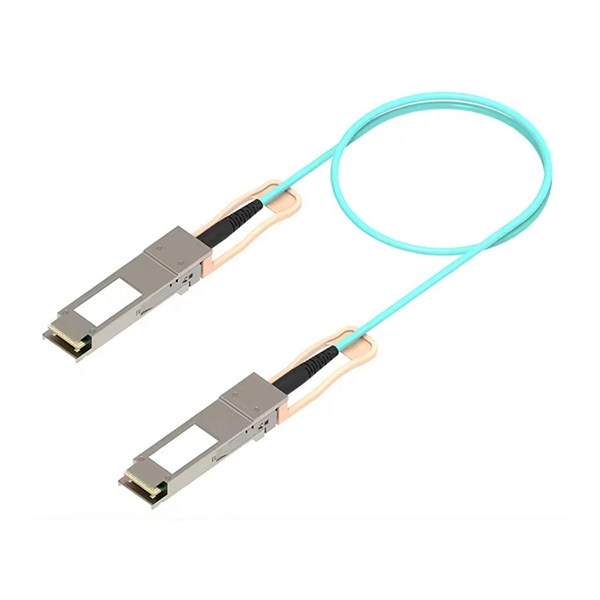
Cable Tray Issues and Recommended Solutions
Equipment illustration / verify against the selected product
How to Fix Common Cable Management Issues using

This comprehensive guide investigates the most frequent wire management challenges faced in real-world setups and demonstrates how the

Common Cable Tray Failures and How to Resolve Them

This guide discusses common cable tray problems, from loosening and corrosion to grounding issues and installation errors, along with strategies

Cable Tray Issues and Recommended Solutions

Overview This guide discusses common cable tray problems, from loosening and corrosion to grounding issues and installation errors, along with strategies for prevention and resolution. Understanding the

Common problems and solutions in the use of cable trays?

Pay attention to cleaning the equipment, keep the parts clean, and apply lubricating oil to the gears to ensure normal operation.Through the above measures, common problems in the use of cable trays

Common problems and solutions in the installation of cable tray

However, in the actual installation process, cable tray manufacturers and construction teams often encounter some problems. Here are some common problems and their solutions.

Common Issues in Steel Cable Tray Installations & Troubleshooting

For engineers, contractors and facility managers, understanding common problems in steel cable tray installations – and knowing how to avoid them – is essential for ensuring system

Common cable tray installation mistakes and how to avoid them

Identify common cable tray installation mistakes and learn how to avoid them to ensure safety, compliance, and long-term system reliability.

Cable Tray Faults and Solutions

Here we introduce various types of faults that may occur in cable trays and their solutions in details, hoping we can help you in some way.

Mastering Light-Duty Cable Tray Installations: Troubleshooting

Explore expert tips on troubleshooting common challenges in light-duty cable tray installations. From proper planning to corrosion management, learn how to ensure a reliable and

Cable Tray Size Chart and Selection Guide

Selecting the appropriate electrical cable tray dimensions is a critical decision that directly impacts the safety, efficiency, and longevity of any industrial

unsupervised_topic_modeling/topics/en/15/100/50/topics at master

Contribute to annontopicmodel/unsupervised_topic_modeling development by creating an account on GitHub.

12 Best Under-Desk Cable Management Trays (June

Looking for the best under-desk cable management trays in 2026? We tested 12 options so you don''t have to. Find the right tray for your setup.

Cable Sizing Guide: IEC Standards & Calculations | Enginist

Complete cable sizing guide: IEC 60364-5-52 standards, ampacity calculations, voltage drop formulas, derating factors. Free calculator + worked examples.

Finest Dynamics Under-Desk Cable Management Tray

Description Zonal Command Cord Organization Meets Heavy-Gauge Steel Infrastructure Say goodbye to tangled power bricks, hazardous wire clutter, and messy under-desk cords. The LifeSpan Cable

Cable Management Systems Explained for Your Needs

Explore the best cable management systems for safe, scalable cable routing — including trays, ladders, trunking, and more.

B-Line series Cable Tray Design Considerations

As an industry leader in cable tray, Eaton offers one of the widest ranges of cable management solutions available in the market today with its B-Line series portfolio. With unmatched quality and service, we

Cable Management | Professional Solutions | CEF

Comprehensive cable management solutions for professional installations. Our range includes PVC and steel trunking, conduit systems and cable tray options meeting current standards.

Common Cable Tray Failures and How to Resolve Them

Learn about common cable tray failures, their causes, and practical solutions for ensuring the longevity and safety of your cable tray system,

Related Video Reference

This video was associated with the source search result. Verify technical details against current product documentation and project requirements.

Specify your fiber equipment

Share the fiber interfaces, termination capacity, cable route and evidence required for handover.

Send a project brief