
B Line Series Cable Tray Design Considerations
Search optical fiber, connectivity, cable management and network infrastructure references.
-
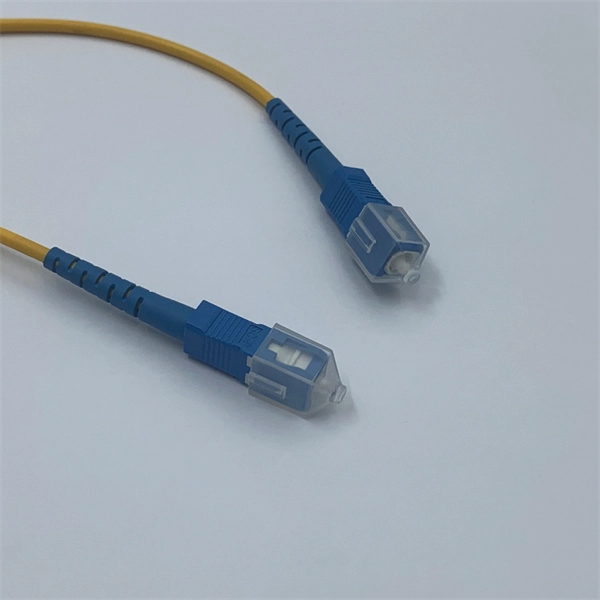
Cable tray construction organization design format
This AutoCAD DWG file provides a comprehensive cable tray installation plan, featuring detailed support rod, duct, and expansion joint specifications. Is your cable tray system optimized for safety, dependability, space and cost savings? Cable tray (or cable ladder) systems...
[PDF Version]
-
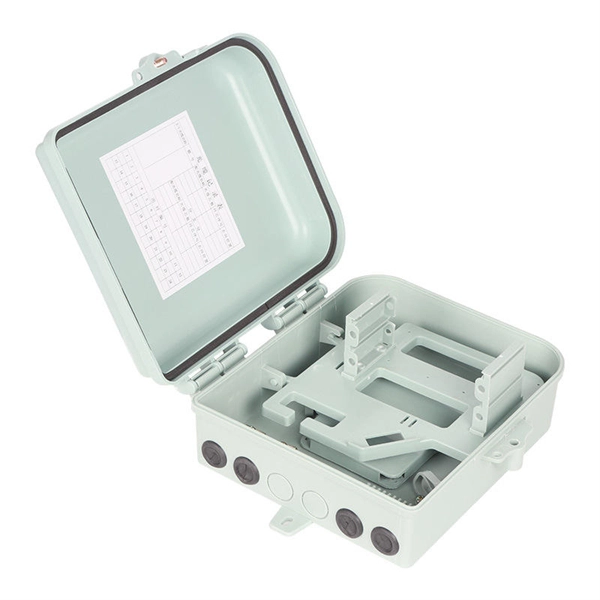
Cable Tray Production Line Cable Tray Manufacturing Equipment
Our advanced cable tray production line is engineered to provide automated forming, punching, and cutting processes for various types of cable trays, including perforated, ladder, and solid-bottom trays. With high precision, fast production speed, and stable performance, it...
[PDF Version]
-
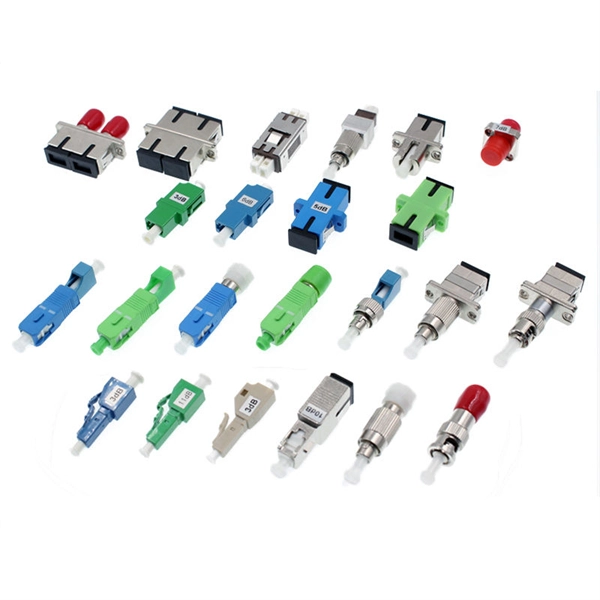
Cable Tray Laying Design Quantity
Calculate the appropriate cable tray size based on your cables and fill requirements. Cable trays are essential for organizing and supporting electrical and communication cables, as well as assuring safe installations. This calculator determines the maximum number of cables...
-
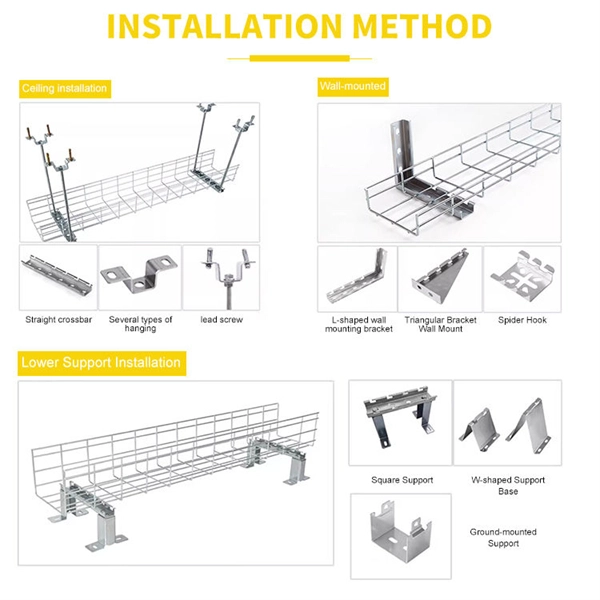
Electrical Design Network Cable Tray Specifications
Cable Tray Technical Guide A practical guide to product selection and. In designing supports for a cable tray system, consideration should be given to th.
[PDF Version]
-
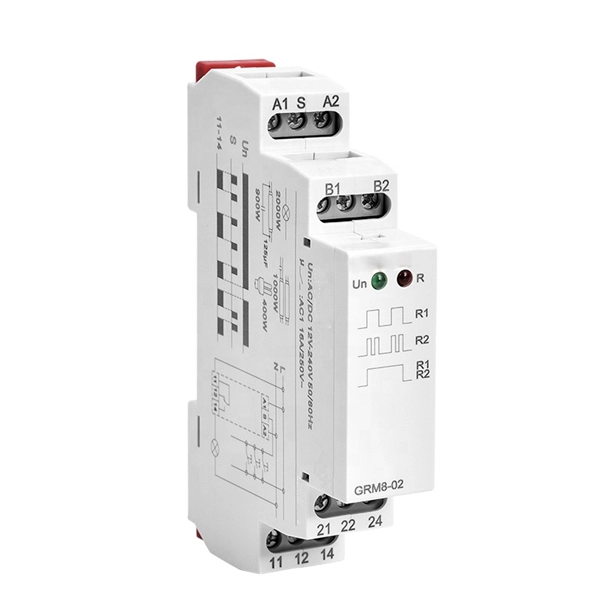
Design of Galvanized Cable Tray Solution
Premium Galvanised Cable Tray Systems Discover superior galvanised cable tray systems offering exceptional corrosion protection, high load capacity, and co.
[PDF Version]
-
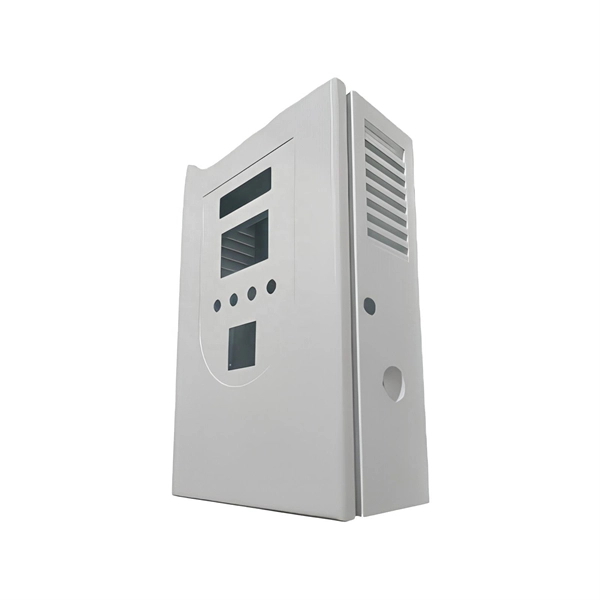
Cable Tray Design Construction
Cable tray installation guidelines for industrial EPC projects with support spacing, earthing, routing, safety and real site best practices. association representing the major electrical equipment manufac-turers in the U. The Cable Tray ng standards, performance standards...
[PDF Version]
-
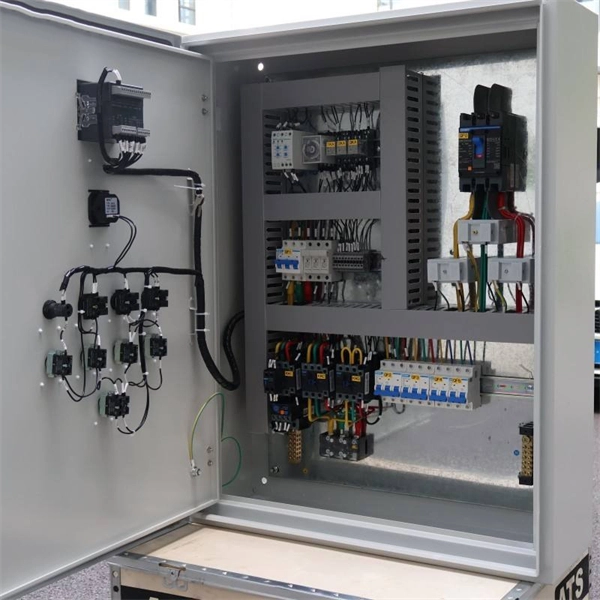
Cable tray ventilation
Ventilation in cable trays refers to the air flow inside the tray. These trays are used to support and protect the cables, but they must also allow air to circulate freely, ensuring that the heat generated by the cables does not build up and damage them by overheating. Do you...