
Cable Tray And Electrical Cable Trays Zoro
Search optical fiber, connectivity, cable management and network infrastructure references.
-
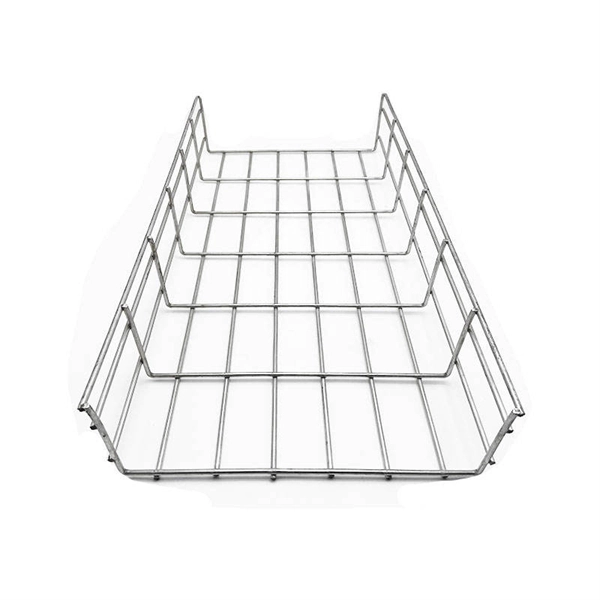
Do electrical cable trays use sleeves when passing through walls
A cable tray wall penetration sleeve is a protective component used to route cable trays through walls, ensuring a safe and secure pathway for cables. Where cables pass through shafts, walls, slabs, or enter electrical panels or cabinets, openings shall be tightly sealed with...
-

Analysis of the Cable Tray and Busbar Electrical Industry
This Insight Report provides a comprehensive analysis of the global Electrical Busbar Tray landscape and highlights key trends related to product segmentation, company formation, revenue, and market share, latest development, and M&A activity. Electrical Busbar Tray by...
[PDF Version]
-
Cable tray cost for electrical wells
Wireways and cable trays price structures are dominated by material costs, which account for 60-70% of total project expenses. Steel wireway systems typically fall in the $8-20 per foot range, while aluminum variants command premiums of $12-30 per linear foot due to...
[PDF Version]
-
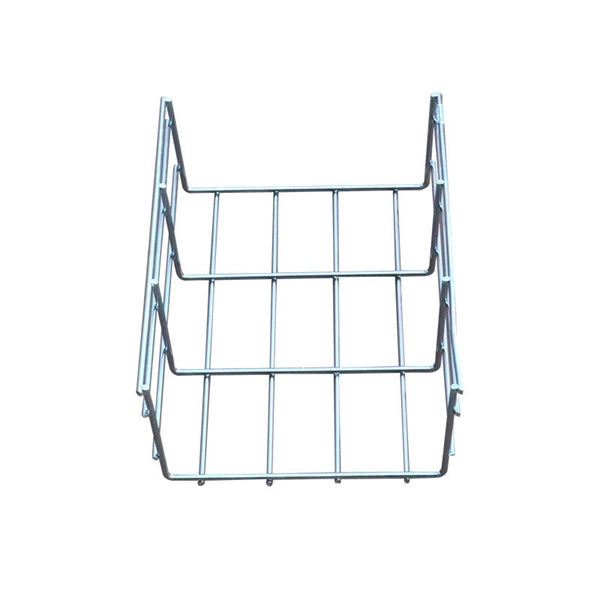
Automatic Calculation of Electrical Cable Trays
The Cable Tray Sizing Calculator is an electrical calculator tool designed to determine the correct cable tray dimensions for electrical installations. Accurate fill ratio analysis and tray sizing per NEC, IEC 60364, and BS 7671 standards. Select Fill Standard: Choose 40% for...
[PDF Version]
-
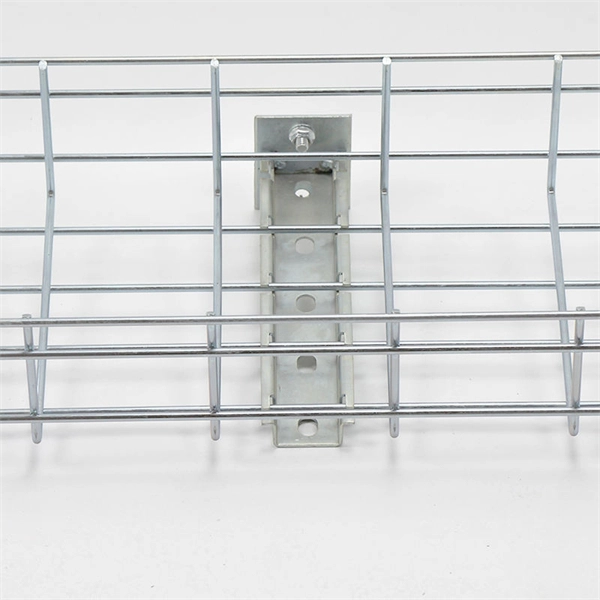
Width and Height of Electrical Cable Trays
Standard cable tray widths typically range from: Tray heights generally range from 25mm to 150mm, depending on cable volume and ventilation requirements. Thickness varies by material and load capacity: Galvanized cable tray thickness must meet ASTM A653 standards for...
[PDF Version]
-
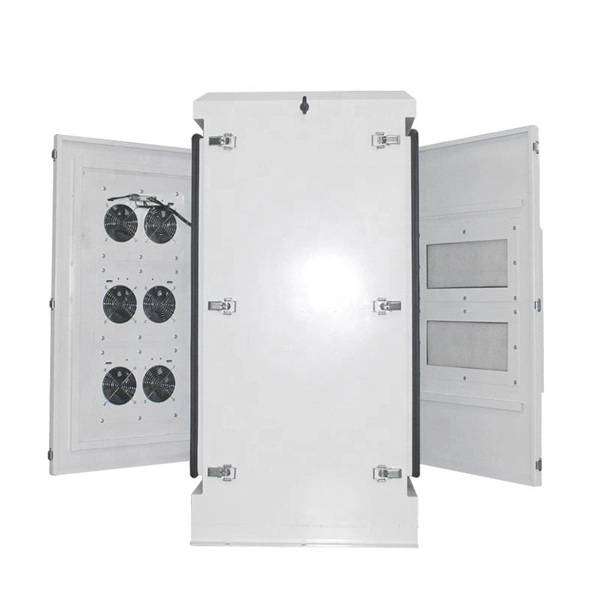
Electrical Instrumentation Cable Tray Elbow
Electrical on Top, Instrumentation Below: Typically, electrical trays are positioned above instrumentation trays. Our cable trays are produced in fit for purpose materials like stainless steel, galvanized, aluminium and fibreglass (FRP/GRP) composites to suit any project type...
[PDF Version]
-
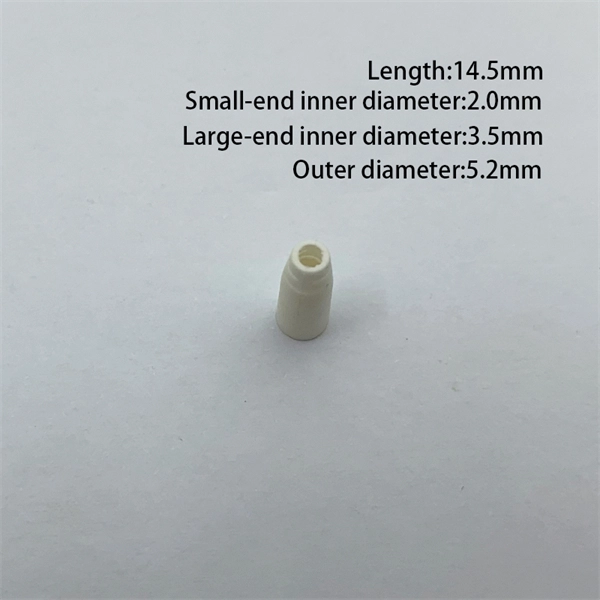
Cable trays in the electrical building
In the of buildings, a cable tray system is used to support insulated used for power distribution, control, and communication. Cable trays are used as an alternative to open wiring or systems, and are commonly used for cable management in commercial and industrial...
-
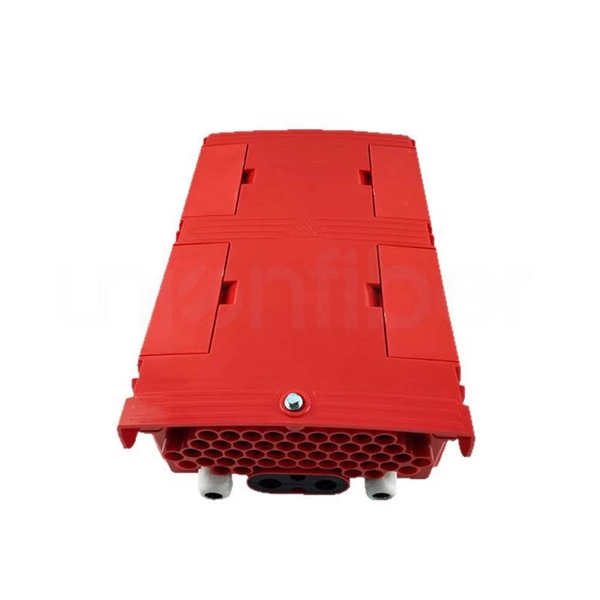
How to deal with cable trays that are too wide and cable tray covers that are sagging
Solution for sagging and insufficient support: Cable supports and hangers provide stability to overhead cable trays and prevent sagging. These accessories ensure cables maintain their structural integrity over long runs. Benefits: Prolongs cable lifespan by reducing wear...
[PDF Version]
-
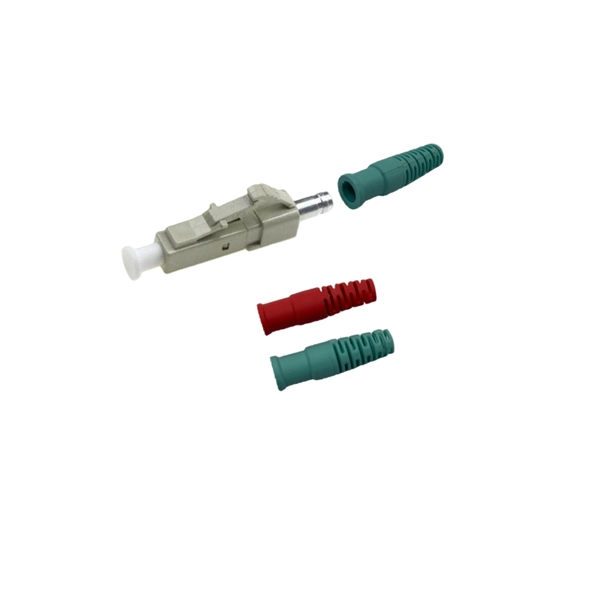
Distance requirements for electrical and instrumentation cable trays
Spacing Standards: Electrical (power) and instrumentation (signal/control) cable trays should maintain a minimum vertical and horizontal distance. The spacing between trays, whether horizontal or vertical, depends on various factors like cable type, environment, and tray...
[PDF Version]
-

Selection of Electrical Wiring Trays and Cable Trays
Cable Type and Volume: Determine the number and type of cables to be supported. Environmental Conditions: Assess indoor or outdoor usage, exposure to moisture, chemicals, or extreme temperatures. The Cable Tray ng standards, performance standards, test standards and...
More from the technical library
- Reasons for the severe oversupply of fiber optic cables
- Cable Tray Laying in Indonesia
- Rwanda Temporary Lighting Distribution Box Model
- Fiber Optic Cable Installation and Splicing Methods
- How much does a high-quality distribution box cost
- Precautions for setting up an optical power meter
- Optical module transmits interference and receives