
Cable Bending Radius Calculator Electrical
Search optical fiber, connectivity, cable management and network infrastructure references.
-
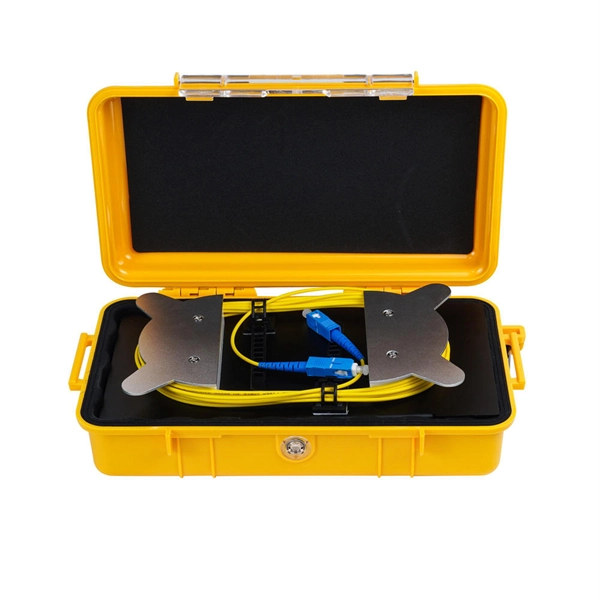
Minimum bending radius of railway optical cable
During installation under tension, maintain a minimum bend radius of 20 times the cable's outer diameter, while post-installation requires a minimum long-term bend radius of 10 times the cable diameter. ter the cable has been placed in the raceway. Ignoring these rules leads...
-
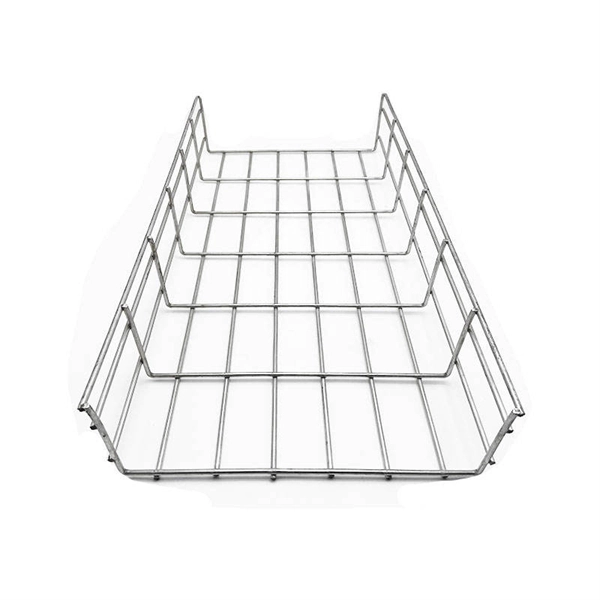
Do electrical cable trays use sleeves when passing through walls
A cable tray wall penetration sleeve is a protective component used to route cable trays through walls, ensuring a safe and secure pathway for cables. Where cables pass through shafts, walls, slabs, or enter electrical panels or cabinets, openings shall be tightly sealed with...
-
Bending of wires in household electrical distribution boxes
Bend the wire to keep the slug on. If a cable hot wire attaches to an AFCI or a GFCI breaker, slide the slug over its neutral, too; the neutral must attach to the AFCI or GFCI breaker, as. Labeling cables at outlets is important so that when it comes time to attach wires to...
[PDF Version]
-

Analysis of the Cable Tray and Busbar Electrical Industry
This Insight Report provides a comprehensive analysis of the global Electrical Busbar Tray landscape and highlights key trends related to product segmentation, company formation, revenue, and market share, latest development, and M&A activity. Electrical Busbar Tray by...
[PDF Version]
-
Cable tray cost for electrical wells
Wireways and cable trays price structures are dominated by material costs, which account for 60-70% of total project expenses. Steel wireway systems typically fall in the $8-20 per foot range, while aluminum variants command premiums of $12-30 per linear foot due to...
[PDF Version]
-
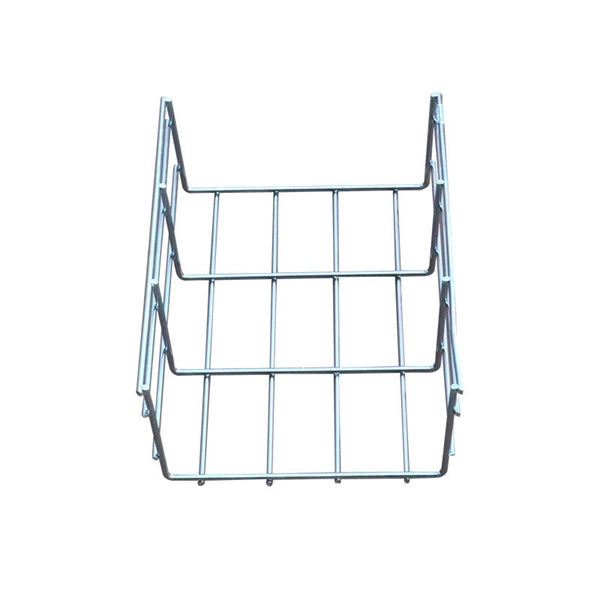
Automatic Calculation of Electrical Cable Trays
The Cable Tray Sizing Calculator is an electrical calculator tool designed to determine the correct cable tray dimensions for electrical installations. Accurate fill ratio analysis and tray sizing per NEC, IEC 60364, and BS 7671 standards. Select Fill Standard: Choose 40% for...
[PDF Version]
-
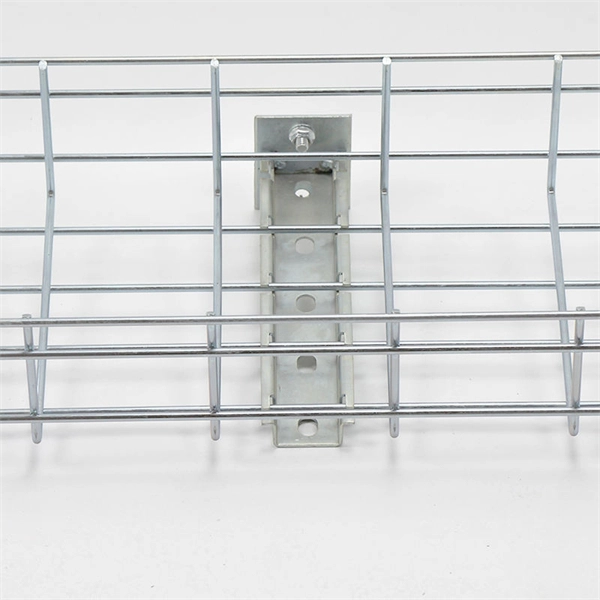
Width and Height of Electrical Cable Trays
Standard cable tray widths typically range from: Tray heights generally range from 25mm to 150mm, depending on cable volume and ventilation requirements. Thickness varies by material and load capacity: Galvanized cable tray thickness must meet ASTM A653 standards for...
[PDF Version]
-
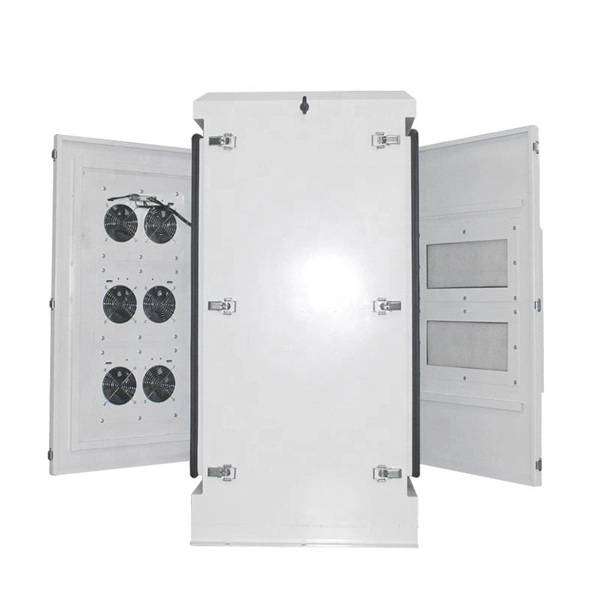
Electrical Instrumentation Cable Tray Elbow
Electrical on Top, Instrumentation Below: Typically, electrical trays are positioned above instrumentation trays. Our cable trays are produced in fit for purpose materials like stainless steel, galvanized, aluminium and fibreglass (FRP/GRP) composites to suit any project type...
[PDF Version]