
Bus Bars Are Simple In Principle Complicated In Practice
Search optical fiber, connectivity, cable management and network infrastructure references.
-
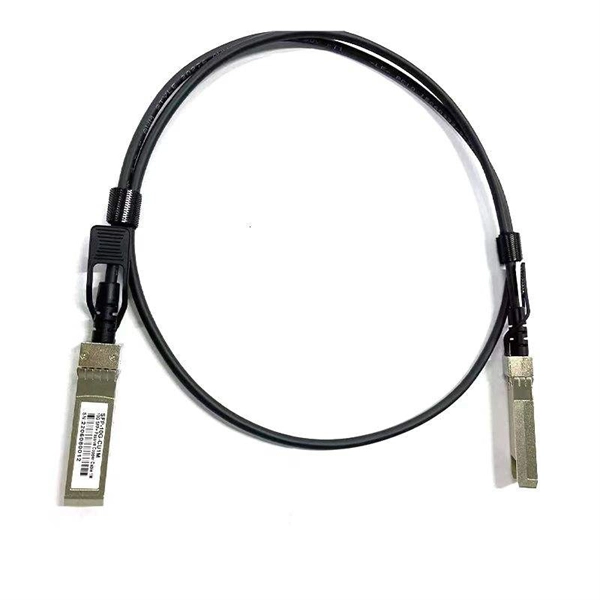
Principle of Airflow Deployment of Optical Cables
Air-blown optical cable technology is an engineering technology that uses high-pressure airflow to push the optical cable to be laid in a suspended manner. Placing optical fiber cables in duct systems using air-assisted installation techniques presents different installation...
-
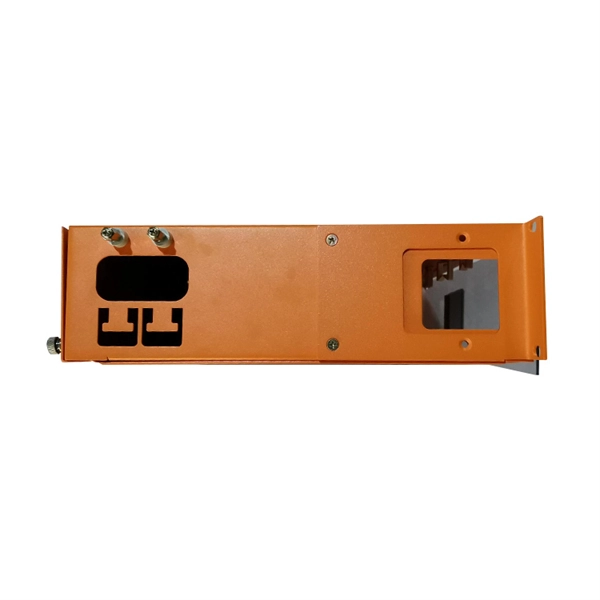
Voltage abnormality on high-voltage bus
This study aims to solve the key issue for electric buses on how to improve the accuracy and reliability of battery fault diagnosis with the emerging intelligence technology on battery management. The battery.
-
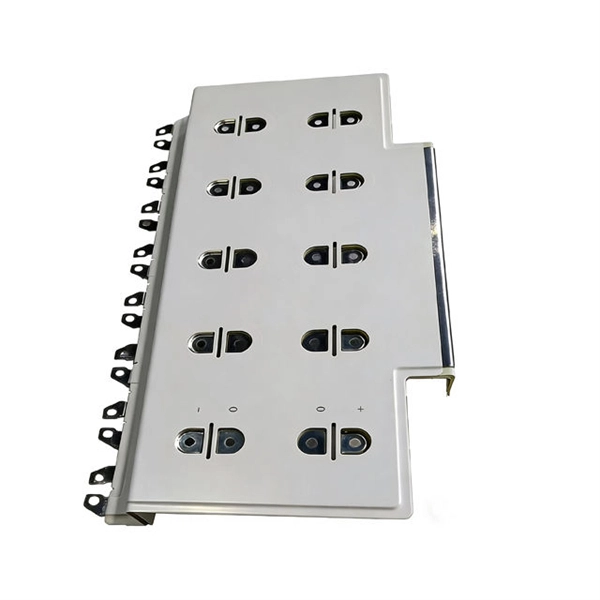
Principle of Measuring Photovoltaic Panel Power with a Multimeter
Testing solar panels is easy with a multimeter! To test the current, simply connect the multimeter to the panel's output. Measuring their power output helps identify underperforming units, diagnose wiring issues, and maximize ROI. Here's what you'll need: Let's break down the...
-
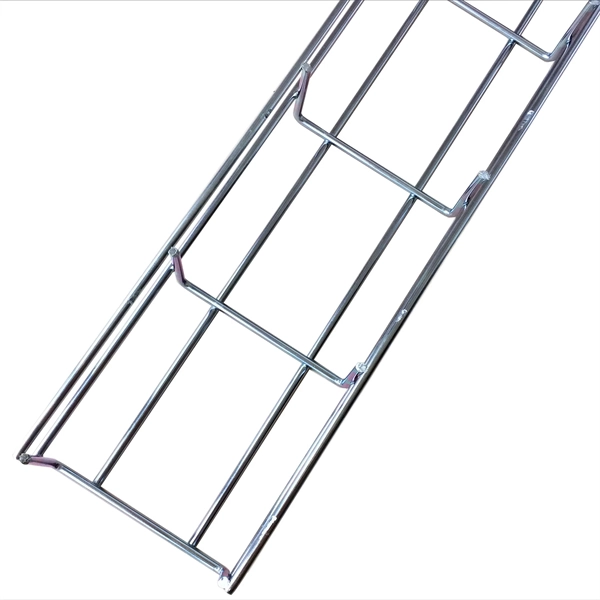
Communication Principle of Optical-to-Electrical Module
At the heart of every optical transceiver lie three essential components, often called the “Three Pillars” of optical communication: Laser — generates light. Modulator — encodes data onto the light. They mainly consist of optoelectronic components (such as optical...
[PDF Version]
-
Principle of the Burundi Spectrometer
A spectrophotometer is an instrument that measures the amount of light absorbed by a sample.Spectrophotometer techniques are mostly used t.
-
Construction Principle of Passive Beam Splitter
In its most common form, a cube, a beam splitter is made from two triangular glass prisms which are glued together at their base using polyester, epoxy, or urethane-based adhesives. (Before these synthetic resins, natural ones were used, e.g. Canada balsam.) The thickness of...
[PDF Version]