
How can one identify a broken fiber optic cable?
To identify a broken fiber optic cable, start by performing a visual inspection for any physical signs of damage, such as bends, cracks, or breaks...
Search optical fiber, connectivity, cable management and network infrastructure references.
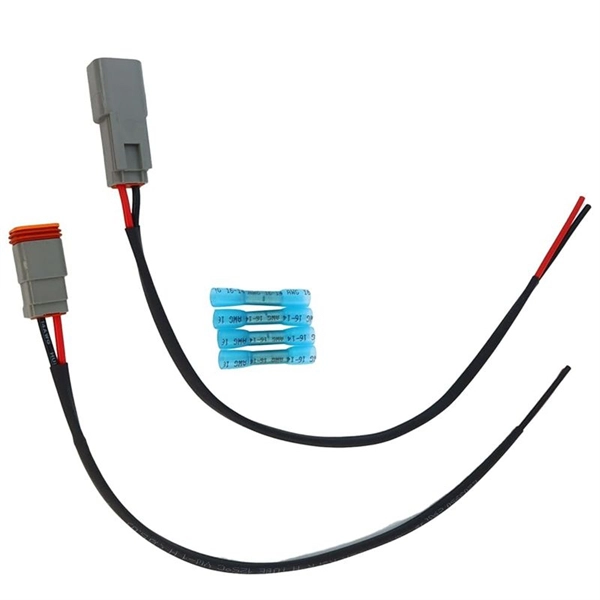
All-dielectric self-supporting (ADSS) cable is a type of that is strong enough to support itself between structures without using conductive metal elements. It is used by companies as a communications medium, installed along existing overhead transmission lines and often...
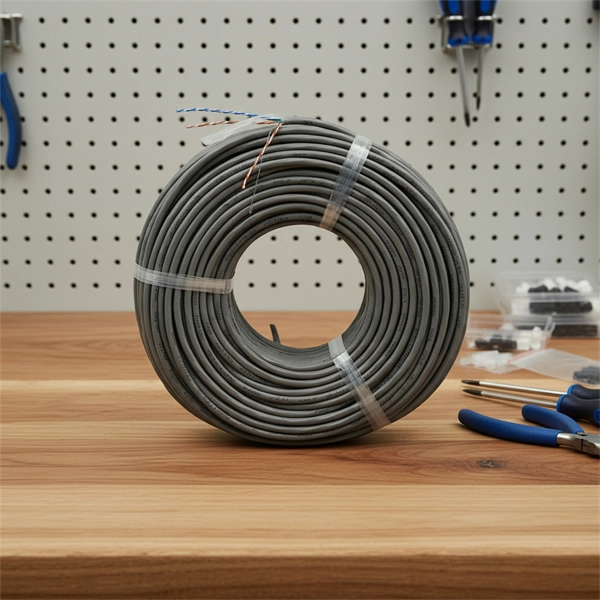
There are hybrid optical and electrical cables that are used in wireless outdoor Fiber To The Antenna (FTTA) applications. In these cables, the optical fibers carry information, and the electrical conductors are used to transmit power. These cables can be placed in several...
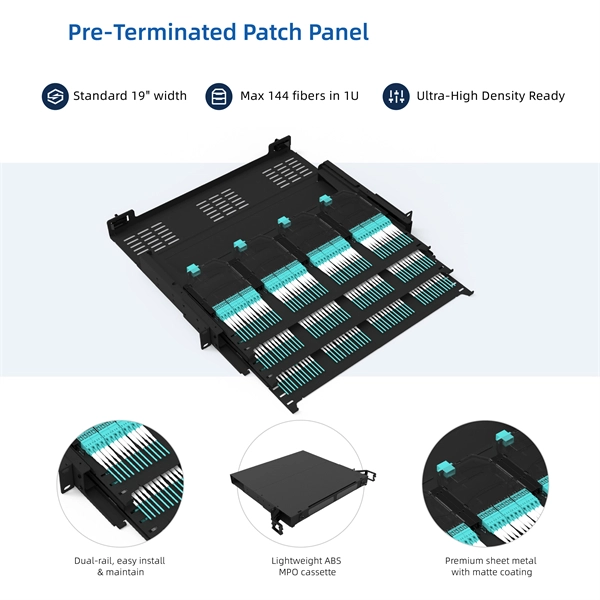
Outdoor dry core (ADSS) optical fiber Multi Loose Tube cable with aramid yarns as strength member and polyethylene outer jacket. Existing out of 6 tubes with a diameter of 2. 5mm with 12 . This specification covers the construction all dialectic self-supporting Optical Fiber...
[PDF Version]
Short summary: ADSS (All-Dielectric Self-Supporting) fiber optic cable represents a breakthrough in aerial telecommunications infrastructure, offering a non-metallic, self-supporting design that eliminates the need for support messengers. All-dielectric self-supporting (ADSS)...
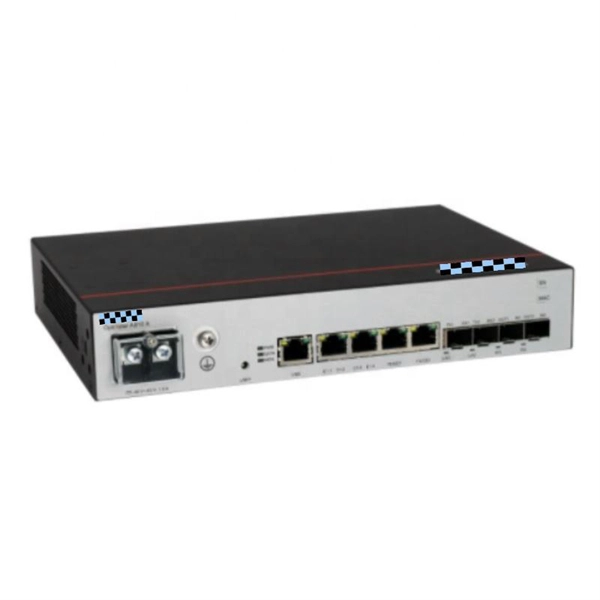
Start with the simplest, fastest checks (visual inspection, cleaning, cable routing) and only move to instrumentation (power meter, VFL, OTDR) when those steps don't clear the fault. This saves time and prevents needless part swaps. Keep this article tightly focused on...
[PDF Version]To identify a broken fiber optic cable, start by performing a visual inspection for any physical signs of damage, such as bends, cracks, or breaks...
There are several methods to test fiber optic cables without a tester. One method is using a visual fault locator (VFL), as mentioned earlier, to v...
Intermittent fiber optic connections can be caused by a variety of factors, including: Poorly terminated connectors or splices that result in unsta...
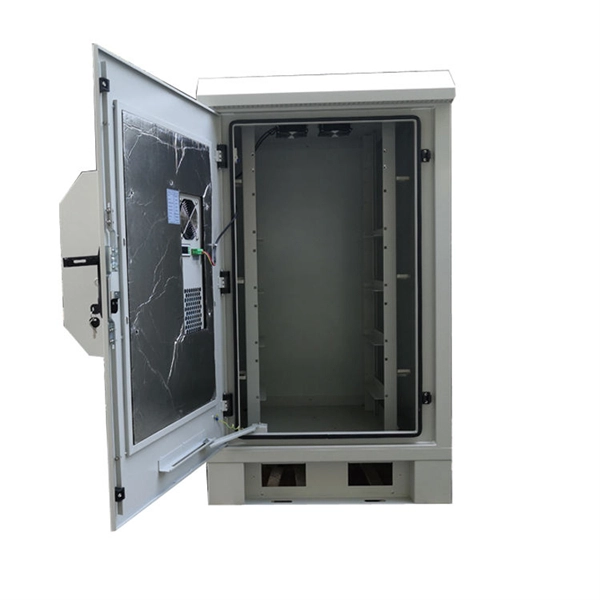
Fiber (ADSS-CT25) Optic Access cable ADSS 12 cores, 80m is designed for aerial installation in telecommunications networks, particularly for long-distance and high-capacity data transmission. Peripheral element: aramid yarns with ripcord. ✔Pay on Delivery upon getting your...
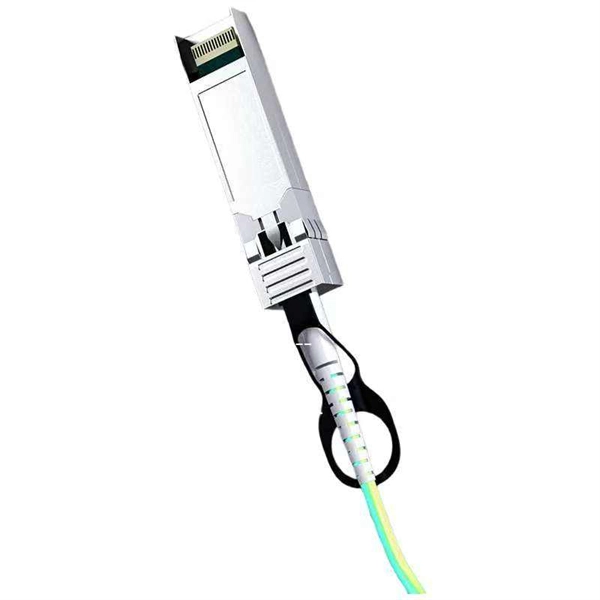
Cable tray accessories, including horizontal elbows, vertical elbows, and straight connectors, are essential components for efficient and secure cable tray installations in various industrial and commercial settings. All fittings are available in sizes and types corresponding...
[PDF Version]
There are four primary outdoor fiber optic cable types, each engineered for a fundamentally different installation method. Selecting the wrong one inflates costs, introduces maintenance burdens, or leads to premature failure. If you are planning to string fiber across utility...
[PDF Version]Share the fiber interfaces, termination capacity, cable route and evidence required for handover.