
How can one identify a broken fiber optic cable?
To identify a broken fiber optic cable, start by performing a visual inspection for any physical signs of damage, such as bends, cracks, or breaks...
Search optical fiber, connectivity, cable management and network infrastructure references.
Before selecting a cable tray, consider the following key factors: Cable Type and Volume: Determine the number and type of cables to be supported. Environmental Conditions: Assess indoor or outdoor usage, exposure to moisture, chemicals, or extreme temperatures. Load...
[PDF Version]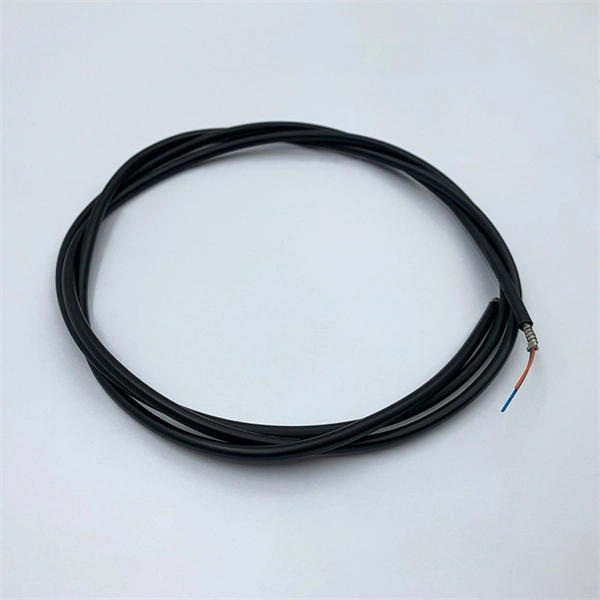
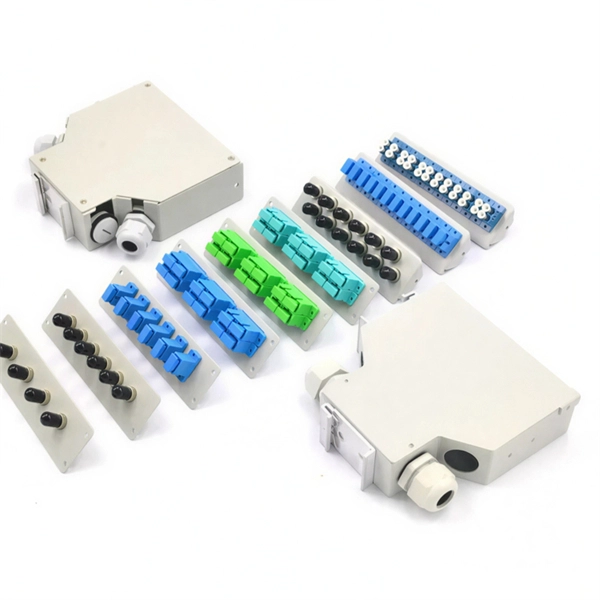
Check for signs of corrosion or rust. Inspect for any physical damage to the enclosure. Ensure that all labels and warning signs are legible. Forget cookie-cutter checklists – we're talking about the real, practical inspection points that determine whether a distribution box...
[PDF Version]
When selecting a 6 core fiber optic cable for your networking needs, prioritize single-mode over multimode if you require long-distance transmission (over 550 meters), and ensure the cable includes tight-buffered or loose-tube construction based on indoor or outdoor use. For...
[PDF Version]
At its core, busbar design must meet stringent industry standards, primarily addressing four key areas: thermal performance, mechanical strength, material selection, and electrical integrity. Busbar design within Medium Voltage (MV) switchgear is a critical aspect...
[PDF Version]
Normal WDM (sometimes called BWDM) uses the two normal wavelengths 1310 and 1550 nm on one fiber. Dense WDM (DWDM) uses the C-Band (1530 nm-1565 nm) transmission window but with denser channel. In fiber-optic communications, wavelength-division multiplexing (WDM) is a...
[PDF Version]
Fiber Optic Issues: Troubleshooting & Prevention TipsSolve common fiber optic network problems—attenuation, damage, connector issues. Learn troubleshooting.
[PDF Version]To identify a broken fiber optic cable, start by performing a visual inspection for any physical signs of damage, such as bends, cracks, or breaks...
There are several methods to test fiber optic cables without a tester. One method is using a visual fault locator (VFL), as mentioned earlier, to v...
Intermittent fiber optic connections can be caused by a variety of factors, including: Poorly terminated connectors or splices that result in unsta...
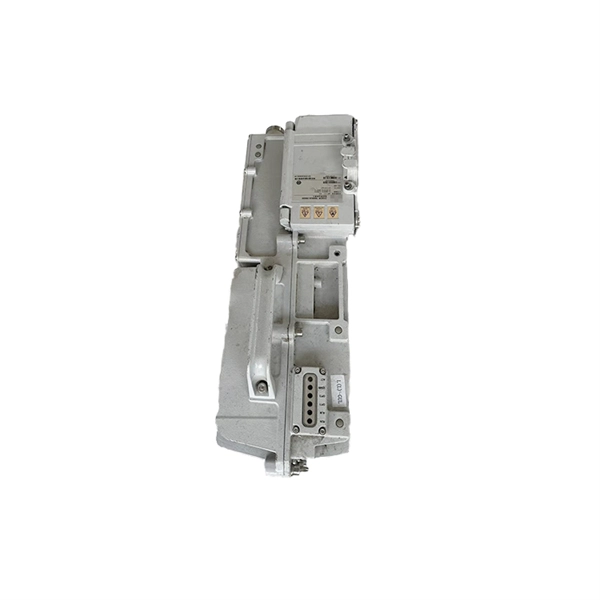
The optical module chip market faces significant headwinds from global supply chain disruptions. An optical module (or optical transceiver) is a photoelectric conversion and signal conditioning unit integrated in a standard package, used to transmit high-speed digital signals...
[PDF Version]Share the fiber interfaces, termination capacity, cable route and evidence required for handover.