
Fiber infrastructure reference
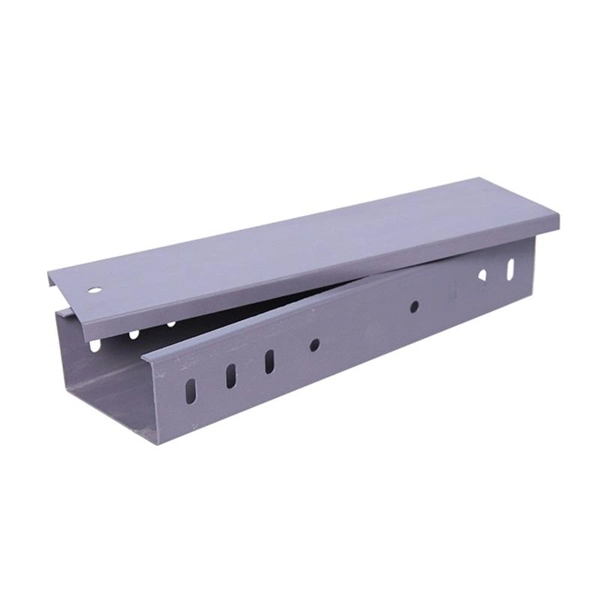
Cable Tray Dimensions Guide: Standard Sizes, Tray
Explore standard sizes by tray type, understand width and depth limits, and see how to calculate and choose compliant cable tray sizes for real
Cable Tray Size Guide: How to Choose the Right
Complete cable tray sizing guide with standard size chart, NEC calculation methods, and real engineering examples. Learn how to select the right cable tray
Legrand PVC Cable Tray Perforated 300mm x 75mm x 3m Length
Legrand PVC Cable Tray Perforated 300mm x 75mm x 3m Length REF. 637841 EAN. 3414970028532 Download product sheet Discount family : C06
300mm Heavy Duty Cable Tray (3m Length)
All Heavy Duty cable tray supplied as 3 metre lengths up to 900mm wide. Available in 3 standard designs of cable tray to suit individual applications. Distinctive hole pattern designed to provide
GUIDE CABLE TRAYS TECHNICAL
NEMA VE 1-2017 Specifies requirements for metal cable trays and associated fittings designed for use in accordance with the rules of Canadian Electrical Code, Part I and the National Electrical Code®
300mm Return Flange Medium Duty Cable Tray 25mm Deep (3m
3 standard designs of cable tray to suit individual applications Hole pattern designed to provide maximum flexibility for positioning cable ties without compromising strength
Wire Mesh Cable Tray, 300mm wide, 50mm tall, 10-ft.
2 wire mesh cable tray sections are 1,500 mm long, 300 mm wide and 50 mm tall to organize copper cabling and eliminate clutter and stress in your data center.
B-Line series pan tray catalog
__ Insert Tray Width of 050 = 50mm, 100 = 100mm, 150 = 150mm, 200 = 200mm, 300 = 300mm, 400 = 400mm, 500 = 500mm, 600 = 600mm, 900 = 900mm. Cable Tray Fittings are designed to support
Cable Tray Systems
Durable and reliable cable tray systems providing premium performance in commercial and industrial applications, available in a variety of materials to suit your needs.
High-quality cable tray covers at Ekabel.24
Optimum cable routing: Discover durable cable tray covers at Ekabel.24. Practical and reliable. Top prices! Top goods! Fast delivery!
Cable Tray Design and Standards Guide
Design and construction requirements specify that cable trays must be ladder or perforated type depending on cable, fabricated from hot rolled steel sheet. Tray dimensions, hole spacing, and
Cable Tray Ladder Trunking Wire Basket Installation Guidelines
Available Standard widths of 25, 50, 150, 200, 300, 400, 450, 500, and 600 millimeters Standard depths of 25, 50, and 100 millimeters Available Standard length of about 3 meter Wire Mesh tray is generally
EH Series Heavy Duty Cable Trays
About this product Cable tray is a system used to safely carry and protect electrical cables along designated pathways planned to suit the building and structural installations. Type | Heavy Duty
perforated-frp-cable-tray Manufacturer/Producer
28 suppliers for perforated-frp-cable-tray Manufacturer/Producer Find wholesalers and contact them directly B2B martketplace Find companies now!
EN Series Normal Type Perforated Cable Tray
About this product Cable tray is a system used for the safe transportation and protection of electrical cables, designed to fit the pathways within buildings and structural installations. Type | Standard
Cable Tray Systems
Our cable tray systems meet or exceed all the NEMA, UL, CTI, and CSA standards and are utilized in nearly every industry. All cable tray suppliers are not the
CableTray Book English
T&B channel tray systems are fabricated from a corrosion-resistant metal (low-carbon steel, stainless steel or an aluminum alloy) or from a metal with a corrosion-resistant finish (zinc or epoxy). The
Cable Tray Size and Dimensions: How to Choose the Right Fit for
Learn how to calculate the perfect cable tray size and dimensions for your electrical project. This guide covers load capacity, fill ratios, and industry standards.
Related Video Reference
This video was associated with the source search result. Verify technical details against current product documentation and project requirements.