
Is fiber faster than cable?
Yes, fiber optic internet can reach up to 6,000 Mbps, whereas cable internet can only reach 3,000 Mbps. Fiber optic also offers significantly faste...
Search optical fiber, connectivity, cable management and network infrastructure references.
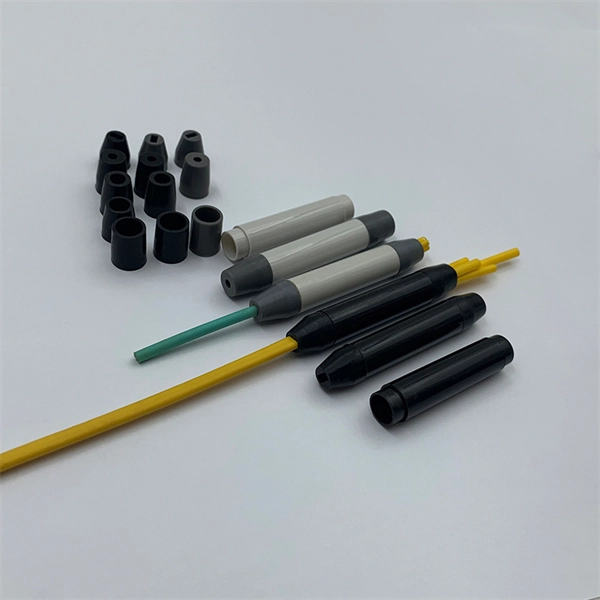
A fiber optic patch cable, cord, or optical jumper has fiber optic connectors (LC, SC, MTRJ, ST, FC, MU, and more) at either end. These connectors allow the fiber patch cable to remain attached to an optical switch or other computing equipment. As data rates increase from 10G...
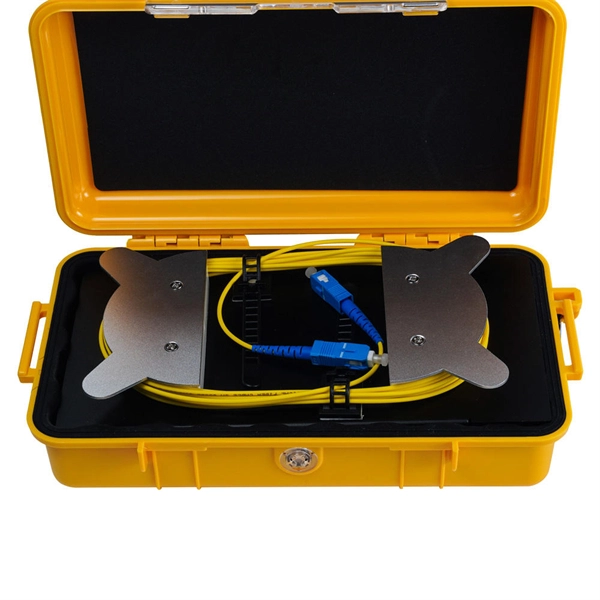
Most modern fiber-enabled network switches require an SFP transceiver module featuring a duplex (two strand) multimode OM3 or duplex single mode OS2 connection with LC connectors. Direct attach cables with pre-terminated SFP connections may also be used. Download the...
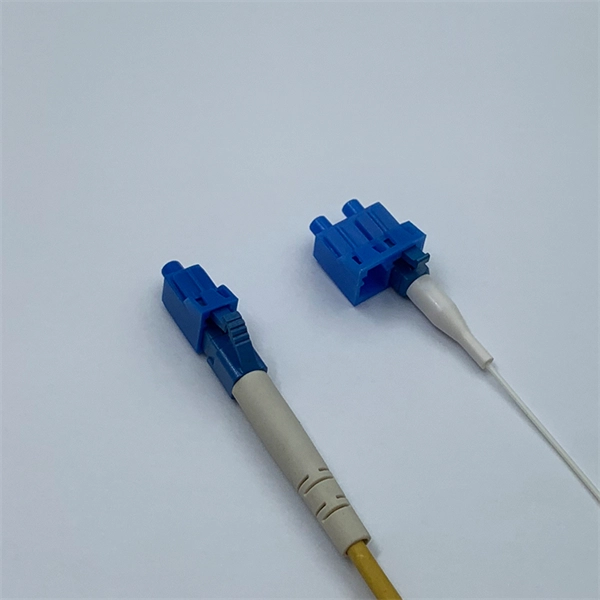
These cards are designed for an internal PCIe slot of a system, feature small form factor pluggable (SFP) ports and will provide wired connectivity based on Ethernet at speeds up to 100Gb/s. SFP+ and SFP28 PCIe network cards for ultra-fast fibre networking. Fiber NICs come...
[PDF Version]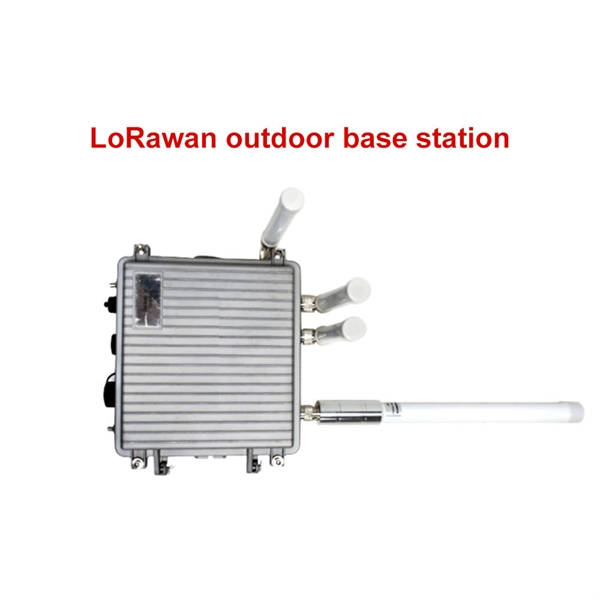
An optical time-domain reflectometer (OTDR) is an instrument used to characterize an. It is the optical equivalent of an electronic which measures the of the or under test. An OTDR injects a series of optical pulses into the fiber under test and extracts, from the same end of...
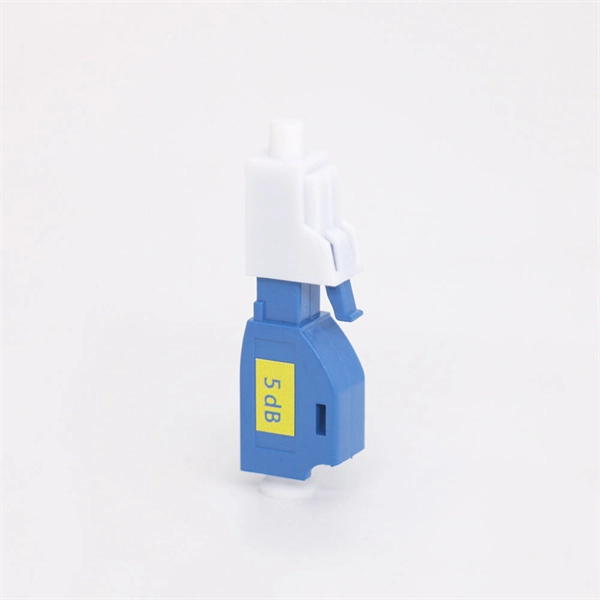
Fiber vs. cable: What is the difference? | ZDNETWe break down the differences between fiber and cable, while Fiber vs. Cable | Which Internet Service is Be.
[PDF Version]Yes, fiber optic internet can reach up to 6,000 Mbps, whereas cable internet can only reach 3,000 Mbps. Fiber optic also offers significantly faste...
The greatest differences between fiber and cable internet are speed and availability. Although fiber internet offers faster and more reliable speed...
Yes. Fiber internet is not the only type of internet that offers high-speed internet. For instance, cable internet can reach up to 3,000 Mbps, whic...
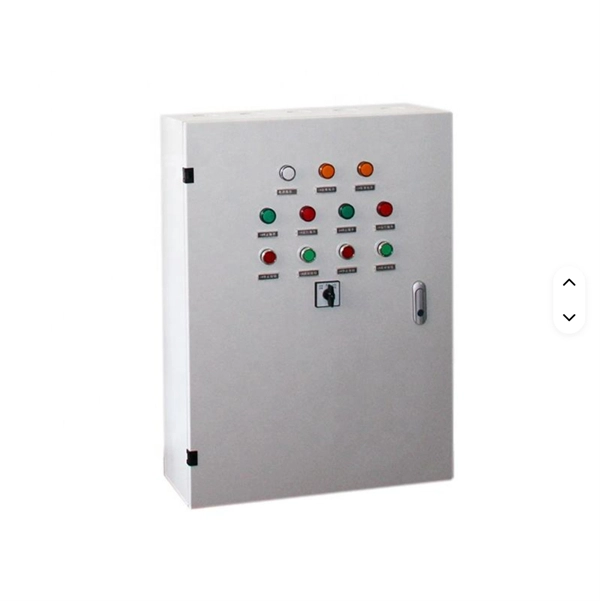
The basic process is straightforward: turn the meter on, set it to the correct wavelength, clean your connectors, plug in, and read the display. But getting accurate, meaningful results depends on understanding a few key details about wavelength settings, reference levels...
Share the fiber interfaces, termination capacity, cable route and evidence required for handover.