
10kv And 35kv Switchgear Ct Pt Selection A Practical
Search optical fiber, connectivity, cable management and network infrastructure references.
-
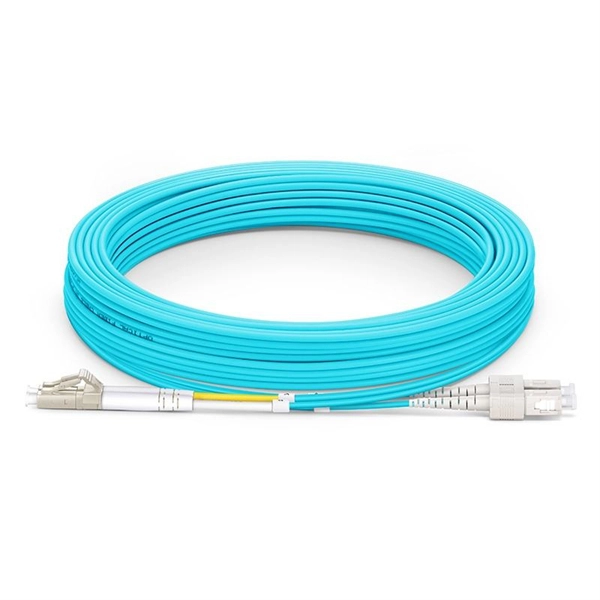
The role of busbar PT in switchgear
These busbars are not merely simple current conductors; they serve as the strategic backbone, interconnecting various components within the switchgear and forming the core pathway for electricity flow, with their performance directly determining the stability and continuity...
[PDF Version]
-
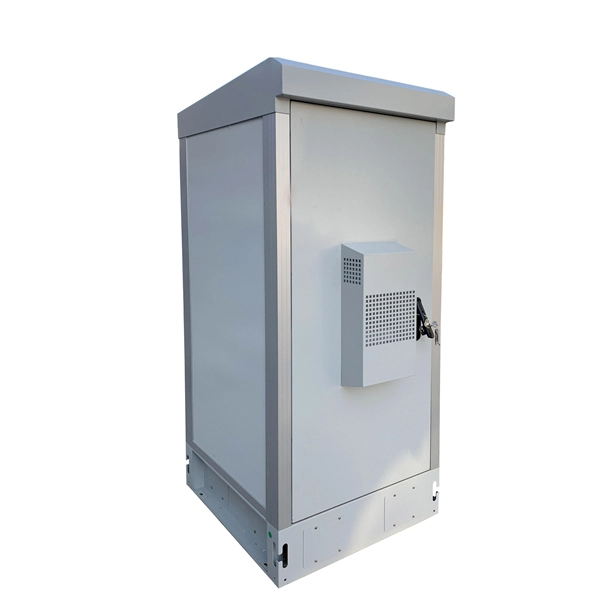
Function of 35kV busbar PT
10kV & 35kV Switchgear CT PT Selection: A Practical Selecting the right Potential Transformer (PT), also known as a Voltage Transformer, is critical for th.
[PDF Version]
-
Is the 35kV busbar grounded
The busbar's material composition and cross-sectional size determine the maximum current it can safely carry. Busbars can have a cross-sectional area of as little as 10 square millimetres (0.016 sq in), but may use metal tubes 50 millimetres (2.0 in) in diameter or more as...
-
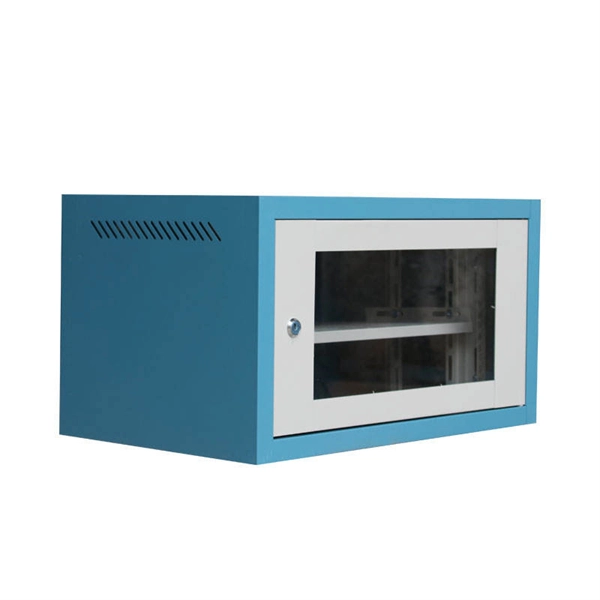
Function of 10kV transmission line communication optical cable
OPGW (Optical Ground Wire) is a kind of cable that comprises the dual functions of grounding and fiber optic communication. The. OPGW is primarily used by the electric utility industry, placed in the secure topmost position of the transmission line where it “shields” the...
[PDF Version]
-
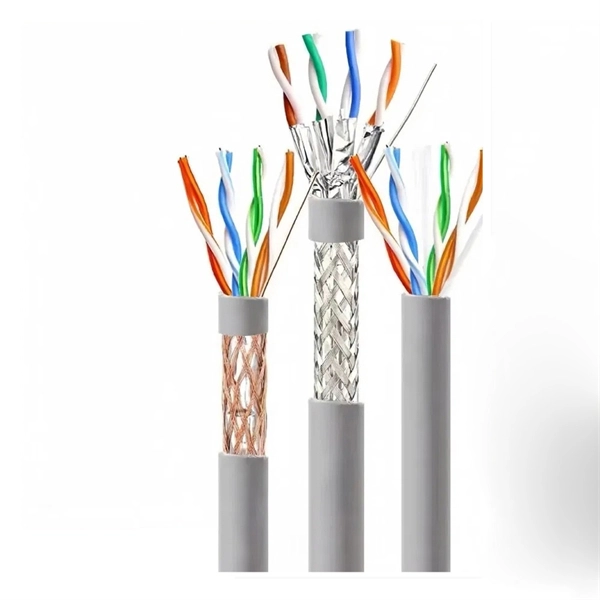
Standard parameters for selecting busbars in high-voltage switchgear
At its core, busbar design must meet stringent industry standards, primarily addressing four key areas: thermal performance, mechanical strength, material selection, and electrical integrity. Busbar design within Medium Voltage (MV) switchgear is a critical aspect...
[PDF Version]
-
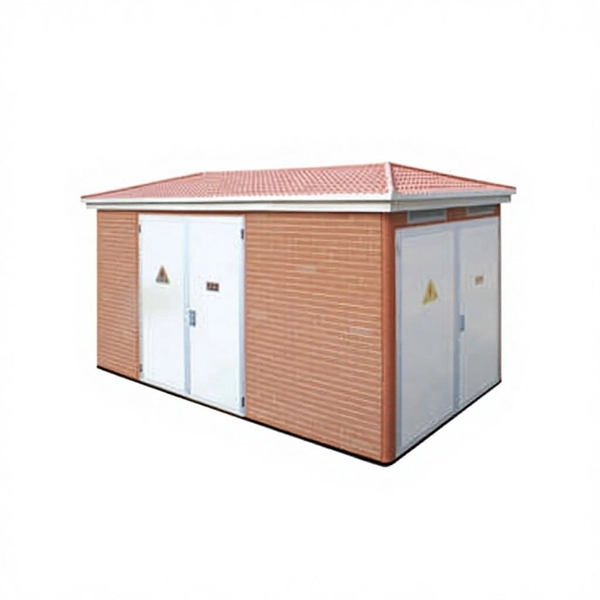
High Voltage Switchgear Busbar Principle
Busbar design in switchgear ensures safe, reliable power distribution by balancing current capacity, thermal performance, mechanical strength, insulation, and standards compliance. A busbar is a metal bar, usually made of copper or aluminum, that carries electricity inside...
[PDF Version]
-
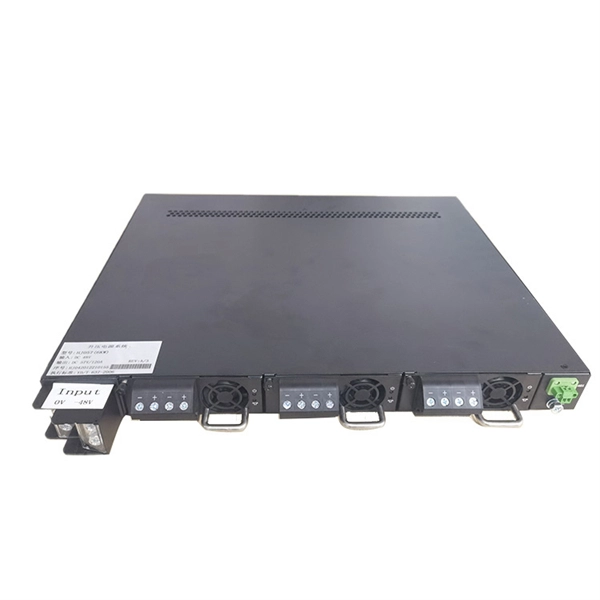
Busbar of High Voltage Medium-Voltage Switchgear
Busbar design in switchgear ensures safe, reliable power distribution by balancing current capacity, thermal performance, mechanical strength, insulation, and standards compliance. A busbar is a metal bar, usually made of copper or aluminum, that carries electricity inside...
[PDF Version]
-
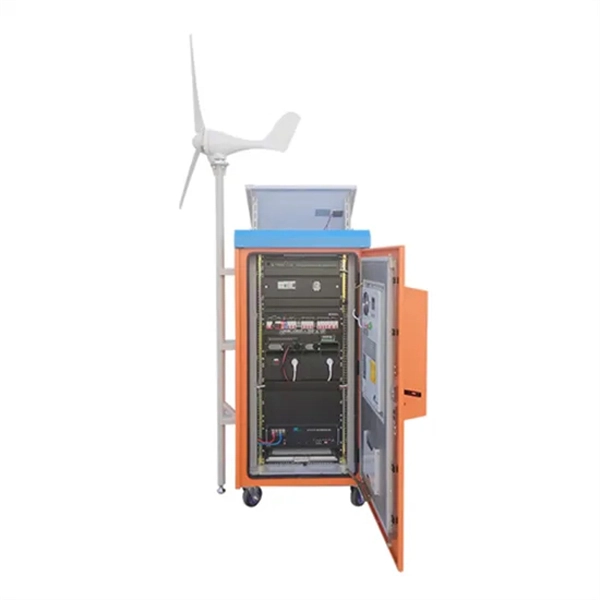
Busbar Cross-section of Low-voltage Switchgear
Accordingly, a busbar cross-section of 1600 mm² (Aluminium) is required based on the thermal rating and short-circuit withstand requirements. In summary, the bus bar is the backbone of the switchboard—its design directly impacts reliability, safety, and performance of the...
-
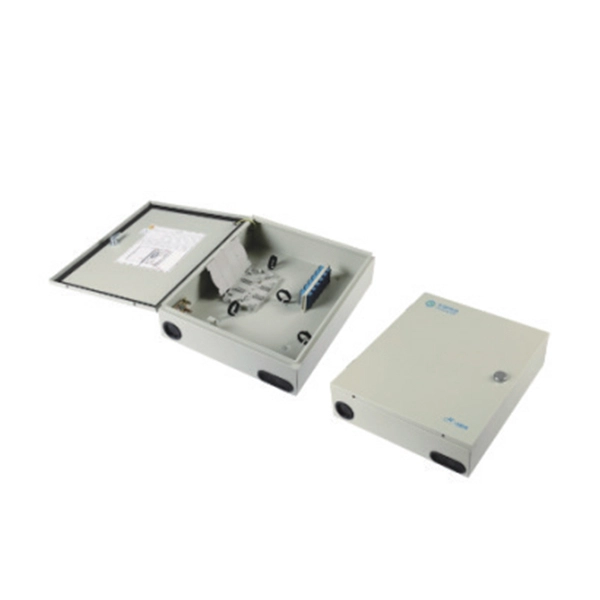
What type of line is the main busbar of the switchgear
Rigid busbars are solid metal bars and are the most common type in switchgear. They are strong, stable, and handle high current well. In electric power distribution, a busbar (also bus bar) is a metallic strip or bar, typically housed inside switchgear, panel boards, and...