
1 6t Transceivers Explained Advantages Types And Fs Solution
Search optical fiber, connectivity, cable management and network infrastructure references.
-
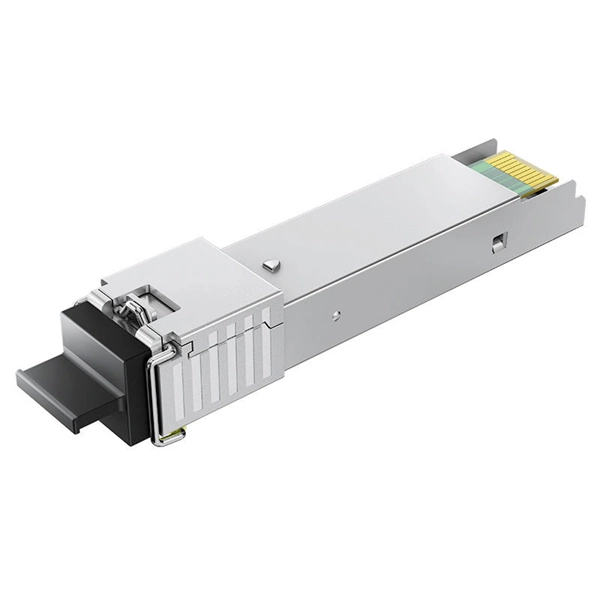
Advantages of Fiji Single-Mode Fiber Optic Transceivers
Single-mode fiber stands out for its remarkable capacity to transmit data over long distances. A single mode SFP transceiver is an optical module that uses laser-based transmission over single mode fiber to deliver long-distance, high-speed data communication, typically at...
[PDF Version]
-
Types of Brands for Optical Cable Transceivers
Optical Transceiver Market: Top 10 Manufacturers RankedOptical transceiver market leaders: the top 10 manufacturers powering 400G and 800G modules for hype.
[PDF Version]
-
Advantages and disadvantages of junction boxes
Advantages: Lightweight, cost-effective, non-conductive, corrosion-resistant. Limitations: Lower impact resistance compared to metal, limited high-temperature performance. Without junction boxes, electrical wiring would be messy, unsafe, and difficult to repair. In this...
[PDF Version]
-
Advantages of Electronystagmography
ENG Test (Electronystagmography): The ENG test records eye movements using electrodes placed around your eyes. Dizziness and forms of vertigo. You may also have an ENG during diagnosis or treatment for conditions like: Acoustic neuroma. Benign paroxysmal positional vertigo...
-
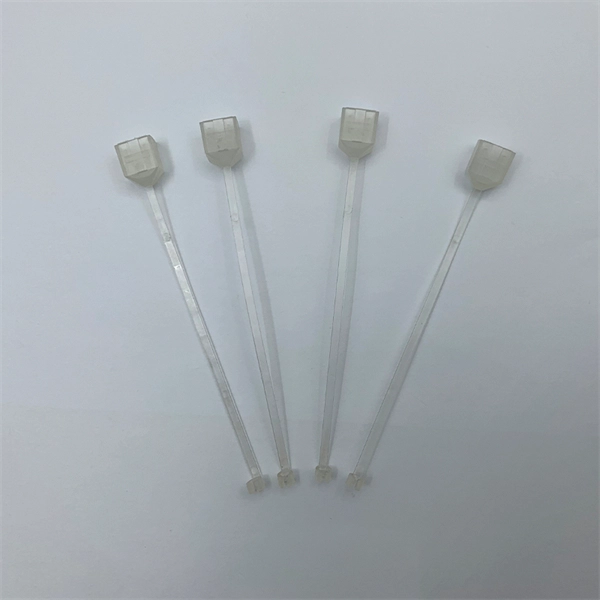
Advantages of 4-core armored optical cable
4 core armoured fibre optic cables are engineered for high-performance data transmission in demanding environments. Their robust construction combines advanced materials and protective layers to ensure signal integrity, mechanical durability, and resistance to environmental...
-
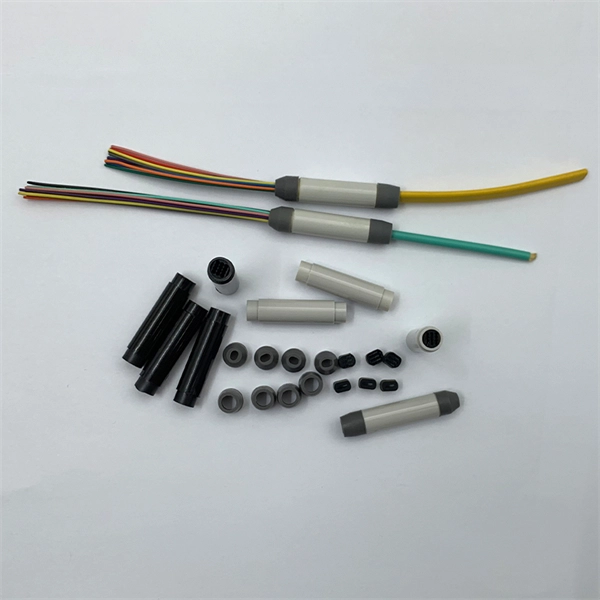
How are electromagnetic sensors classified into photoelectric types
With multiple types available—Through-beam, Diffuse-reflective, Retro-reflective, Distance-settable, and Limited-reflective—they can be selected based on the application requirements such as distance, object type, environmental conditions, and detection accuracy...
[PDF Version]