DOLPHIN FIBERNetwork equipment for Africa Send a project enquiry
Fiber network equipment / Technical library Optical reference library

Wiring Installation Process for Panels and Cabinets

Jump to a section
Source context

AI source overview

Proper wiring installation for electrical panels and cabinets requires careful planning, adherence to safety protocols, correct wire sizing, and compliance with electrical codes.

Electrical Panel Installation

Planning and Preparation: Begin by selecting a suitable panel that meets the power requirements of your facility. Gather information on all devices to be connected, and ensure you have the necessary tools, including wire strippers, cutters, screwdrivers, pliers, voltage testers, and insulated gloves and boots for safety. Mounting the Panel: Identify a safe, accessible location with proper clearance (typically 3 feet around the panel).

Mount the panel securely using screws or bolts, ensuring it is level. Install a grounding rod if required and run feeder conduits from the main service to the panel. Wiring the Panel: Connect hot wires to the breaker terminals, neutral wires to the neutral bus, and ground wires to the ground bus.

Use proper wire gauges based on amperage and distance to prevent overheating. Label each circuit clearly for future maintenance. Circuit Breakers and Testing: Install breakers according to their amperage ratings and connect load wires.

After wiring, test each circuit with a voltage tester to ensure proper operation.

Ensure GFC

I protection for kitchen or wet-area circuits.

Subpanel Wiring

Purpose and Setup: Subpanels distribute power to specific areas, such as garages or basements. They require a four-wire feed: two hot wires, one neutral, and one ground. The neutral and ground must remain isolated in the subpanel.

Wire Sizing: Match wire gauge to the subpanel's amperage and distance from the main panel. For example, a 60-amp subpanel typically uses #6 AWG copper or #4 AWG aluminum, with adjustments for long runs to prevent voltage drop. Installation Steps: Install a feeder breaker in the main panel, run the subpanel wire through conduit, connect hot wires to the main lugs, neutral to the neutral bus, and ground to the ground bus.

Test and inspect for code compliance.

Wiring Inside Cabinets

Applications: Cabinet wiring is commonly used for under-cabinet lighting, appliance cubbies, or accent lighting.

Low-voltage LE

D systems often require a driver to convert household current to 12 or 24 volts. Safety and Code Compliance: Use junction boxes for all high-voltage splices, ensuring they remain accessible. Secure wires with clamps or insulated staples, avoid sharp edges, and provide GFCI protection for 120-volt receptacles.

Routing and Concealment: Drill holes through cabinet stiles or rails to route wires, keeping them along corners or behind face frames. Use wire channels or raceways for low-voltage cables. Leave slack for maintenance and ensure proper ventilation for power supplies.

Best Practices

Always turn off power before starting any wiring work. Wear appropriate PPE including gloves, goggles, and insulated footwear.

Follow NE

C and local codes for wire sizing, grounding, and breaker selection. Label circuits clearly for easy identification and troubleshooting. Test all circuits systematically before restoring full power.

By following these steps, you can ensure a safe, organized, and code-compliant installation for electrical panels, subpanels, and cabinet wiring, while minimizing risks of electrical hazards and facilitating future maintenance.

Research context

Reference summary

Electrical Panel Installation: The Ultimate GuideIf your projects involve electrical panel installations within residential, commercial, or industrial faci.

From reference to enquiry

Questions for your project

Use these editorial prompts alongside the linked excerpts. They identify items to confirm for your project.

Detailed reading / connection to installation

Fiber infrastructure reference
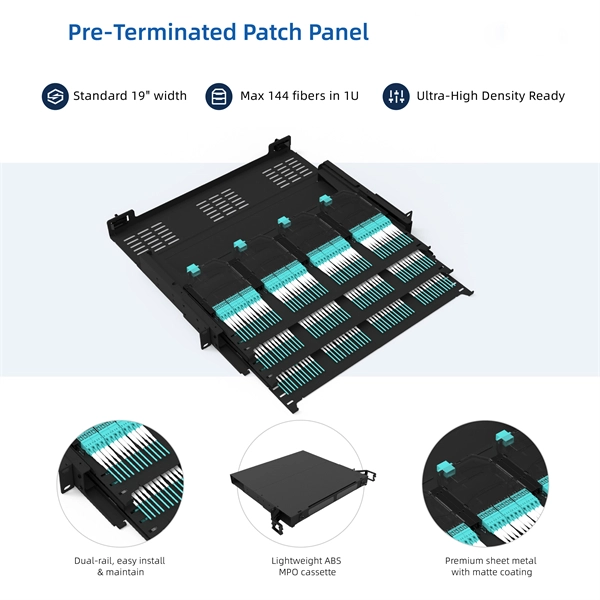
Wiring Installation Process for Panels and Cabinets
Equipment illustration / verify against the selected product
Electrical Panel Installation: The Ultimate Guide

If your projects involve electrical panel installations within residential, commercial, or industrial facilities, you must have the necessary installation

Electrical Panel Board Installation Procedure

Step-by-step procedure for installing an electrical panel board, including mounting, wiring, safety checks, and ensuring compliance with electrical regulations for a safe and efficient setup.

Electrical Panel Wiring for Beginners

By following these safety steps and understanding color codes, beginners can have a safe and successful experience with electrical panel wiring. Don''t be intimidated – with the right safety

Smart Wiring for Electrical Panel Design Engineering & Maintenance

In general, there is a lack of exact specifications for a correct wiring or automated production. These activities include the complete production, assembly and in-house testing of the Control Cabinet

Essential Guide to Electrical Panel Installation for Homeowners

Discover key tips for electrical panel installation to improve your home''s safety and efficiency in this comprehensive guide.

Step-by-Step Electrical Panel Installation for Beginners

Learn step-by-step electrical panel installation for beginners with this easy guide. Improve safety, save money, and master basic electrical skills today!

How to Wire an Electrical Panel: A Step-by-Step Guide

Learn the precise sequence for safely wiring an electrical panel, from essential grounding and service feed connection to branch circuit integration.

Method Statement Panel Board Installation and Power...

This comprehensive guide covers everything you need to know about method statement panel board installation and power cable termination. Whether you are a construction professional, project

How to wire an Electrical Panel (Step-By-Step for beginners) | Wired

In this video, I''ll show you how to wire an electrical panel step-by-step, explaining every part of the process so you can do it safely and correctly.

Electrical Panel Installation Checklist for Project Managers

Proper installation ensures safety, compliance with regulations, and optimal performance. This checklist provides a structured approach in table format for project managers to verify all necessary

Electrical Control Panels: Design, Building & Assembly Guide

Learn everything about electrical control panels, from design and layout to building, assembly, testing, and certification. Improve efficiency and safety with expert insights.

Control Panel Design and Assembly Steps

Designers can start the schematics early in the process, but they can only be finalized once all the device makes/models are chosen. Assembly and Testing Careful and workmanlike

How to Wire an Electrical Circuit Breaker Panel

Learn how an electrical circuit breaker panel is installed. Normally this is a job that should be attempted only by a licensed electrician.

How to Design Electrical Control Panels: A Step-by-Step Guide

Learn the step-by-step process for designing efficient electrical control panels, from understanding requirements to selecting components and ensuring proper wiring and safety.

How To Wire A Main Electrical Panel

In this video I show you how to wire a main electrical panel from start to finish. I show you how to wire a panel box neatly and very detailed to give a good looking wiring job.

Electrical Panelboard Installation Guide

Rev - 02 - Ms - Installation of Electrical Panelboards - Free download as Word Doc (.doc / .docx), PDF File (.pdf), Text File (.txt) or read online for free. This document outlines the method statement for

Industrial control wiring and cabling guide

Wires and preparation for control wiring - Electrical equipment uses a wide variety of wire and cable types and it is up to us to to correctly identify

Method Statement Panel Board Installation and Power...

Conclusion In summary, method statement panel board installation and power cable termination is an essential aspect of construction project management. By following the guidelines and best practices

Related Video Reference

This video was associated with the source search result. Verify technical details against current product documentation and project requirements.

6 questions about “Wiring Installation Process for Panels and Cabinets”

What is an electrical panel?

An electrical panel, also known as a breaker box or distribution board, is the main control center for electrical circuits in a building.

Can I install an electrical panel myself?

It is strongly recommended to hire a licensed electrician to install or upgrade an electrical panel.

How many circuits can an electrical panel accommodate?

The number of circuits an electrical panel can accommodate depends on its size or the number of breaker slots it has.

What is the purpose of circuit breakers?

Circuit breakers act as safety devices to protect electrical circuits from overloading or short circuits.

How to label the circuit breakers in an electrical panel?

Properly labeling the circuit breakers helps identify which circuit corresponds to each area or appliance in the building.

Can I add new circuits to an existing electrical panel?

Adding new circuits to an existing electrical panel is possible, but it should be done by a licensed electrician.

Specify your fiber equipment

Share the fiber interfaces, termination capacity, cable route and evidence required for handover.

Send a project brief