
Fiber infrastructure reference
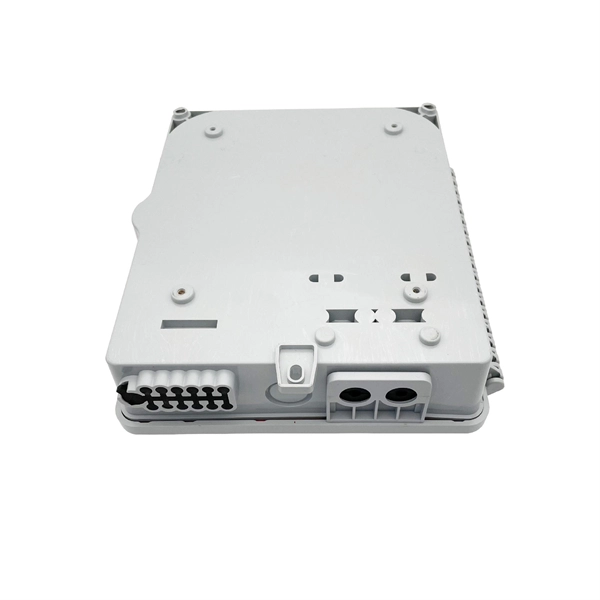
Fiber Optics: Understanding the Basics
Nothing has changed the world of communications as much as the development and implementation of optical fiber. This article provides the basic principles needed
Fiber-optic cable
OverviewDesignPerformanceCable typesColor codingHybrid cablesInnerductsSee also
A fiber-optic cable, also known as an optical-fiber cable, is an assembly similar to an electrical cable but containing one or more optical fibers that are used to carry light. The optical fiber elements are typically individually coated with plastic layers and contained in a protective tube suitable for the environment where the cable is used. Different types of cable are used for fiber-optic communication in different applications, for exa
Optical fiber
OverviewUsesHistoryPrinciple of operationMechanisms of attenuationManufacturingPractical issuesSee also
Optical fiber is used as a medium for telecommunication and computer networking because it is flexible and can be bundled as cables. It is especially advantageous for long-distance communications, because infrared light propagates through the fiber with much lower attenuation compared to electricity in electrical cables. This allows long distances to be spanned with few repeaters.
10 Real-World Uses of Fiber Optic Cables Across Key
Learn the top uses & applications of fiber optic cables across industries like healthcare, telecom & finance. See how fiber outperforms copper for modern needs.
What Is a Fiber Optic Cable and How Does It Work?
Fiber optic cables carry data as pulses of light at remarkable speeds. Learn how they work, why they outperform copper, and where they''re used beyond the
Fiber Optic Cable Types and Applications: The Engineer''s Guide to
Fiber optic cable types—choose wrong and pay double in transceivers. From OS2/OM5 specs to OFNP jackets, match every cable to its real-world application in 2026.
What Is an Optical Cable? Uses, Types, and Selection Guide
Optical cables are used for high-speed, long-distance, and interference-resistant signal transmission in telecommunications, data centers, industrial systems, and medical equipment, where
Understanding Wavelengths In Fiber Optics
The visible spectrum is well below the wavelengths used in fiber optics. That means you generally cannot see the light in fiber systems, so there is no reason to look into the end of a fiber to see if
The Ultimate Guide to Fiber Optic Cable: Understanding
Fiber optic cables are a must-have in modern telecommunications and data transfer systems. Fiber optics can transmit information over long distances
10 Uses of Fiber Optic Cables
In this article, we''ll highlight the use of fiber optic cables and discuss the growing demand for these cables. We also address how we can help provide your standard and custom fiber optic cables.
Fiber Optics Breakthrough Promises Faster Internet
A new type of hollow optical fibre promises to boost the amount of data that can be carried in each glass strand, and to do so over longer distances.
Fiber Optics: Understanding the Basics
Figure 1.An optical fiber consists of a core, cladding, and coating nstruction An optical fiber consists of three basic concentric elements: the core, the cladding,
Four Key Benefits of Fiber Optic Transmission
Four Key Benefits of Fiber Optic Transmission Fiber optic cables are designed for long-distance, high-performance AV transmission, data networking, and telecommunications. Fiber is the transmission
What Is Fiber Optics? Definition from SearchNetworking
What is fiber optics? Fiber optics, or optical fiber, refers to the technology that transmits information as light pulses along a glass or plastic fiber. A fiber optic cable can contain a varying
Top 6 Advantages and Disadvantages of Fiber Optic Cable in 2025
Explore the top 6 advantages and disadvantages of fiber optic cable over copper, such as increased bandwidth, low attenuation, immunity to electromagnetic, and more.
Fiber Optic Cable Buying Guide
Fiber Optic Cable Buying Guide Understand how to choose fiber optic cable by comparing single‑mode vs. multimode, network speed and distance needs, cable jackets/fire ratings, connectors, cost and
How Fiber Optic Cables Work | BroadbandSearch
This article explains the basics behind fiber optic cables and how they are used for telecommunications and other data transmission applications.
Fibre Optic Cable
Fibre optic cable is defined as a type of cabling that transmits data as pulses of light, allowing for high-volume data transfer at high speeds with minimal susceptibility to electrical interference. It is
Related Video Reference
This video was associated with the source search result. Verify technical details against current product documentation and project requirements.