
Fiber infrastructure reference
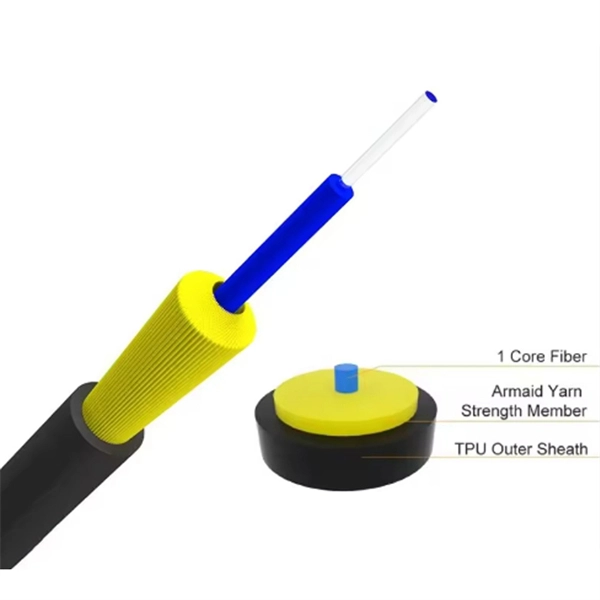
The Difference Between Single/Dual Fiber and Single/Multi-Mode
Single fiber modules—often called bidirectional (BIDI) transceivers—transmit and receive signals over a single optical fiber by using two different wavelengths.
The Key Differences Between 1-core, 2-core, Single Mode, and
Single Mode fibers have a smaller core, allowing light to travel in a single, straight path, ideal for long distances with less signal loss. Multi-mode fibers have a larger core, allowing...
Single-mode optical fiber
In fiber-optic communication, a single-mode optical fiber, also known as fundamental- or mono-mode, is an optical fiber designed to carry only a single mode of light - the transverse mode.
The Ultimate Guide to SFP Modules (2026): Types, Speeds
SFP (Small Form-factor Pluggable) is a compact, hot-pluggable network interface module used to connect network devices (switches, routers, firewalls) to fiber optic or copper cables.
Single-mode vs Multimode SFP 2026: Fiber Types and distances
A guide to single-mode vs multimode SFP modules. Covers fiber types, wavelengths, distances, BiDi, CWDM/DWDM, SMF vs MMF selection, and application scenarios.
What Is an SFP Optical Module? Guide | PHILISUN
The SFP optical module serves as the critical intermediary between the electronic circuitry of a network device (like an Ethernet switch) and the physical fiber optic cable.
What Is A Single-Fiber BiDi Transceiver?--ETU-LINK
Single fiber module also called BiDi transceiver or WDM module. It uses WDM technology to realize the bidirectional transmission of optical signals on one optical fiber.
What Is Single Mode Optical Fiber?
Single mode optical fiber is a type of fiber optic cable specifically designed to transmit a single ray or mode of light, making it ideal for long-distance, high-bandwidth data transmission
How to Choose the Right SFP Module for Single-Mode vs Multimode
An SFP module is a compact, hot-swappable transceiver that connects networking equipment to fiber optic cables. It converts electrical signals from the network device into optical
What is QSFP & QSFP+ Transceiver: An Ultimate Guide
What is a QSFP & QSFP+ Transceiver? QSFP stands for Quad Small Form-factor Pluggable. By integrating four-lane signals into a single module, it supports four times the data
What is an Optical Transceiver? – VCELINK
What are Optical Transceivers? The optical transceiver, also simply known as an optical module or fiber optic transceiver, is an integration of a
Distributed Fiber Optic Vibration Sensing (DVS) System
1. What is Distributed Fiber Optic Vibration Sensing (DVS)? Distributed Fiber Optic Vibration Sensing (DVS) is an advanced optical sensing technology that uses
What is Optical Transceiver: A Beginner Guide (2024)
What is an Optical Transceiver? An optical transceiver, also known as a fiber optic transceiver or optical module, is a small packaged device that
APC, UPC, PC Fiber Connector Types Comparison and Selection
The return loss of the fiber optic APC connector is typically -60dB, which is the smallest among the three types of UPC, APC and PC fiber connectors. APC Connector Structure What is a
How to Choose the Right Fiber Optic Cable for Your Optical
How to Choose the Right Fiber Optic Cable for Your Optical Transceiver Selecting the right optical transceiver is only half of building a reliable fiber network. Many network failures that appear
Gigabit single-mode single-core fiber optic module
Gigabit single-mode single-core optical fiber modules usually have the following specifications: multi-mode 550m, single-mode 15km, 40km, 80km, 120km, etc. In addition to the
Understanding Optical Transceiver Types: SFP, SFP+, QSFP28,
Confused by SFP, QSFP28, QSFP-DD or OSFP? Learn the differences between the most common optical transceiver types, their speeds, applications, and how to choose the right module for
12G-SDI over Fiber Transceiver, Bi-Directional 12G-SDI
Panel & Size System Diagram Frequently Asked Questions Q): What is the transmission distance of this 12G-SDI over Fiber Transceiver? Does it support multi-mode fiber? A): This device is equipped with
Related Video Reference
This video was associated with the source search result. Verify technical details against current product documentation and project requirements.