DOLPHIN FIBERNetwork equipment for Africa Send a project enquiry
Fiber network equipment / Technical library Optical reference library

Waterproof Fiber Optic Connector Energy Saving and Bandwidth Performance Comparison

Jump to a section
Source context

AI source overview

Mini LC waterproof fiber optic connectors offer superior bandwidth performance and energy efficiency in harsh outdoor environments due to low insertion loss, compact design, and reliable IP67/IP68 sealing.

Overview of Waterproof Fiber Optic Connectors

Waterproof fiber optic connectors are engineered to maintain signal integrity under harsh environmental conditions, including moisture, dust, UV exposure, and mechanical stress. They are critical for FTTA (Fiber-to-the-Antenna) deployments, 5G macro-cell networks, and outdoor industrial applications where standard indoor connectors would fail due to environmental exposure. Key types include Mini LC, PDLC, FullAXS, ODVA, and OptiTap, each optimized for specific deployment scenarios.

Energy Efficiency Considerations

Energy efficiency in fiber networks is influenced by insertion loss and the need for signal amplification. Waterproof connectors like Mini LC minimize insertion loss due to precise ferrule alignment and high-quality construction, reducing the need for additional optical amplification and thereby lowering energy consumption. Compact designs also allow higher port density, which reduces cabling complexity and associated power requirements for network equipment.

Bandwidth Performance

Bandwidth performance is primarily determined by signal attenuation and connector stability. Waterproof connectors maintain low insertion loss even under repeated mating, vibration, or exposure to rain and freezing conditions.

Mini L

C connectors excel in this regard, providing minimal signal degradation and supporting high-speed data transmission required for 5G and FTTA applications. Other connectors like PDLC and FullAXS also offer robust performance, but Mini LC's smaller form factor allows for denser installations without compromising bandwidth. Environmental and Mechanical AdvantagesIP Ratings: IP67/IP68 ensures protection against water and dust ingress, critical for outdoor deployments.

Mechanical Durability: Rugged housings prevent fiber elongation, micro-bending, and misalignment during wind, vibration, or tower installation.

Thermal and U

V Resistance: Maintains performance under temperature cycling and prolonged sun exposure.

Comparative Summary

Connector Type

Waterproof RatingForm FactorInsertion LossIdeal Use CaseEnergy/Bandwidth AdvantageMini LCIP67/IP68CompactVery LowFTTA, high-density outdoorHigh energy efficiency, minimal signal loss, supports high bandwidthPDLCIP67/IP68MediumLowSmall cells, distributed antennasReliable, moderate density, good bandwidthFullAXSIP68MediumLowTower-top 5G RRUsQuick installation, stable bandwidthODVAIP67LargerLowIndustrial networksRugged, versatile, moderate energy efficiencyConclusionFor energy-saving and high-bandwidth performance, Mini LC waterproof connectors are generally the preferred choice in outdoor and FTTA environments due to their low insertion loss, compact size, and reliable environmental sealing.

PDL

C and FullAXS connectors remain strong alternatives depending on deployment constraints, but Mini LC provides the best combination of energy efficiency, bandwidth stability, and installation density. Proper installation torque and adherence to IP sealing standards are essential to maintain these performance benefits.

Research context

Reference summary

Waterproof Fiber Optic Connectors Guide for Waterproof fiber optic connectors come in several industry-recognized designs, each tailored for specific outdo.

From reference to enquiry

Questions for your project

Use these editorial prompts alongside the linked excerpts. They identify items to confirm for your project.

Detailed reading / connection to installation

Fiber infrastructure reference
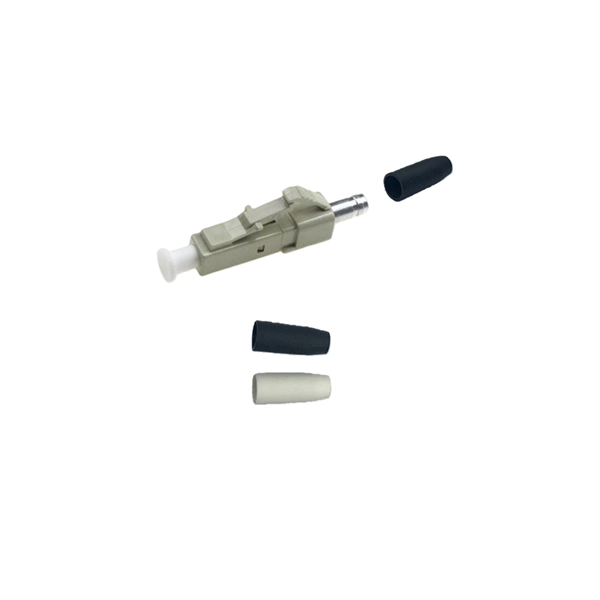
Waterproof Fiber Optic Connector Energy Saving and Bandwidth Performance Comparison
Equipment illustration / verify against the selected product
Waterproof Fiber Optic Connectors Guide for

Waterproof fiber optic connectors come in several industry-recognized designs, each tailored for specific outdoor applications. Below we

Waterproof Optic Cable Connectors: Buyer & Procure Guide

A technical procurement guide for waterproof optic cable connectors. Evaluate IP ratings, ODVA vs. PDLC, and harsh environment integration for outdoor networks.

ODVA fiber optic connectors: 2026 Buying Guide

Evaluate ODVA fiber optic connectors for FTTA, 5G-Advanced, and industrial edge networks. Analyze IP67/IP68 ratings, deployment trade-offs, and procurement criteria.

The Ultimate Guide to Outdoor Waterproof... | ABPTEL

In this guide, we break down the most popular Outdoor Waterproof Fiber Optic Connector Series, their specific applications, and how to choose the

Performance Comparison of Upgraded Waterproof Fiber Optic

Waterproof fiber optic connectors come in several industry-recognized designs, each tailored for specific outdoor applications. Below we provide a detailed comparison of the most widely

Selecting The Right Waterproof Fiber Optic Connector For Harsh

The long-term reliability and performance of any outdoor or industrial network depend on a critical, often overlooked component: the hardened waterproof fiber optic connector.

Comparing Performance of Fiber Waterproof

Discover the advantages of Mini LC connectors for waterproof applications. Compare their performance with other popular fiber waterproof

Waterproof Fiber Connectors IP67/IP68: Engineering Limits

Engineering analysis of IP67 and IP68 waterproof fiber connectors, explaining sealing mechanisms, and real deployment boundaries in FTTA and outdoor networks.

Waterproof Vs Non-Waterproof Connectors

This article will compare waterproof connectors and non-waterproof connectors, highlighting their key differences, advantages, and best use cases in FTTH deployments.

Guide of Waterproof Fiber Optic Connectors

Waterproof fiber optic connector is a specialized connector designed to provide a watertight seal and protect fiber optic connections from moisture,

Copper vs. Fiber Optic Cables: A Comprehensive Comparison

A detailed comparison of copper and fiber optic cables, highlighting their key differences and benefits.

Performance Comparison Between Copper Cables and Fiber Optic in

Air temperature is one of the external factors that can affect the performance of network equipment. This paper provides a comparative analysis of the differences in performance between the use of fiber

Essential Guide to Waterproof Fiber Optic Connectors

Conclusion In summary, waterproof fiber optic connectors are a vital component for any network operating in challenging environments. Their durable construction, combined with high performance

Fibre is the most energy efficient broadband technology

A study launched in 2017 by Europacable has found that fibre is the most energy efficient technology for broadband access networks, compared with DSL, xDSL, vectoring and DOCSIS. Per

Subsea high bandwidth data transfer using fiber optic technologies

High bandwidth data transfer is critical in applications where large quantities of information are being transmitted. This is of particular interest to the Ocean Science Community, which relies on collecting

Fiber vs Cable Internet 2025: Speed, Reliability & Cost

Is fiber optic better than cable in 2025?Fiber vs Cable,Compare speed, reliability, and costs ($0.35 vs $3.00/ft). Discover why fiber is the backbone for AI data

The Ultimate Guide to Outdoor Waterproof... | ABPTEL

The Ultimate Guide to Outdoor Waterproof Ruggedized Fiber Optic Connectors (FTTA & Industrial) In the rapidly expanding worlds of 5G telecommunications, industrial automation, and

Enhancing energy efficiency and signal integrity in power and radio

The rapid expansion of wireless communication technologies necessitates innovative solutions to enhance energy efficiency and signal integrity in next-generation networks. This study

Specify your fiber equipment

Share the fiber interfaces, termination capacity, cable route and evidence required for handover.

Send a project brief