
Fiber infrastructure reference
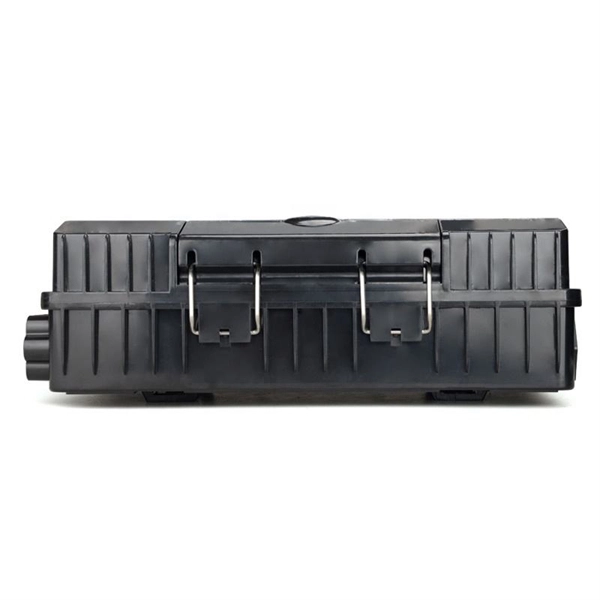
How to Build a DIY Temporary Power Distribution Box
Securely manage job site power. Build a compliant temporary distribution box, detailing component sizing, critical grounding, and wiring integrity.
The Importance of Temporary Protective Grounding
Temporary Protective Grounding (TPG) refers to the intentional connection of de-energized electrical equipment or conductors to ground using
1246-2020
Abstract: The design, performance, use, testing, and installation of temporary protective grounding systems, including the connection points, as used in permanent and mobile substations, are covered
Temporary (Portable) Protective Grounding
Temporary (Portable) Protective Grounding Requirements for the National Electrical Safety Code, NFPA 70E, and OSHA.
Designing Safe Temporary Power Distribution in Ex Zones 2026
Practical guidance for temporary power in Ex zones: selecting cabling, enclosures, grounding, and protection methods. Learn compliance, inspection and safe setup procedures for
Let''s Get Clear on Electrical Utility TPG – Part 2
This section addresses specific requirements of temporary protective grounding (TPG), covering transmission and distribution lines, as well as
Protective grounding requirements for transmission and distribution
If no pole ground exists, a temporary ground rod should be driven or screwed into the earth next to the pole and bonded to
Temporary electrical wiring for construction sites
All 120-volt, single-phase, 15- and 20-ampere recepta-cles shall be of the grounding type and their contacts shall be grounded by connection to the equipment grounding conductor of the circuit
Temporary Grounding and Bonding Techniques
There are, however, many fundamental safe work practices and concepts which can be applied in all temporary grounding applications as reflected in the Purpose section of this Safe Practice Guide.
Temporary Power Safety: Distribution Boxes + Industrial
Pairing E-abel distribution boxes with Weipu industrial waterproof plugs creates a rugged, IP67-rated temporary electrical solution that resists
NFPA 70E 120.4(B)(7) Temporary Protective Grounding.
The location, sizing, and application of temporary protective grounding equipment shall be identified as part of the employer''s job planning.
Expert Guide: Select the Right Temporary Power Distribution Box
Power strips might have surge protection, but distribution boxes include detailed safety features like ground fault circuit interrupters (GFCI), overcurrent protection for each circuit, and weatherproof covers.
How to ground the low voltage distribution box?
The manufacturer of low-voltage distribution box indicates that this is called the zero connection protection system. TN-C power supply system uses the working zero
Grounding & Bonding-Temporary Power Generation and Electrical Distribution
National Electrical Code of an effective ground fault current path is the backbone of electrical safety and shock prevention in temporary power generation and electrical distribution
Grounding & Bonding Temporary Generators and
Technicians often have an “Anything Goes; It''s Temporary” attitude about grounding, bonding, when dealing with the installation of temporary
Grounding System Installation Standards for Distribution Boxes and
Hey there! If you''re working with electrical systems, you know that grounding isn''t just some bureaucratic requirement—it''s literally the difference between a safe, functional system and a potential disaster.
1048-2016
Guidelines are provided for Temporary Protective Grounding (TPG) of electric power lines to assist in protection of workers from voltages and currents that might develop at a de
Temporary Grounding and Bonding Techniques
In addition to good temporary grounding and bonding practices, in situations such as conductor stringing, worker and public safety will be greatly enhanced by completely barricading certain pieces