DOLPHIN FIBERNetwork equipment for Africa Send a project enquiry
Fiber network equipment / Technical library Optical reference library

Telecommunication Fiber Optic Switches

Jump to a section
Source context

AI source overview

Fiber optics and optical switches form the backbone of modern high-speed telecommunication networks, enabling efficient, long-distance, and high-bandwidth data transmission. Fiber Optic CommunicationFiber-optic communication transmits information using pulses of light through optical fibers, which act as carrier waves for data such as voice, video, and internet signals ( ). Optical fibers are preferred over copper cables for high bandwidth, long-distance transmission, and immunity to electromagnetic interference.

They are widely used in telecommunications, data centers, cable television, and other industries requiring reliable high-speed communication ( ).

Fiber Optic Connectors

Connectors are critical for joining optical fibers with minimal signal loss. Common types include: ST (Straight Tip): Round body with bayonet-style lock, used in early LANs and fiber patch panels. Advantages include easy insertion and low cost, but the exposed ferrule is fragile ( ).

S

C (Subscriber Connector): Square body with push-pull latch, commonly used in switches, routers, and GBIC transceivers. Offers good mechanical stability but a larger footprint ( ).

F

C (Ferrule Connector): Round metal body with screw-threaded connection, ideal for telecom systems and long-haul networks due to ruggedness and vibration resistance ( ).

L

C (Lucent Connector): Small form factor, widely used in high-density applications like data centers ( ). These connectors ensure low insertion loss, low return loss, and high reliability under repeated mating cycles, which is essential for maintaining signal integrity in telecom networks ( ).

Fiber Optic Switches

Fiber optic switches control the flow of light signals in optical networks without converting them to electrical signals, maintaining high bandwidth and low latency ( ). They are used in telecommunications, data centers, industrial automation, and military applications.

Types of Fiber Optic Switches

Mechanical Switches: Physically move fibers to redirect light; suitable for low-speed applications ( ).

Solid-

State Switches: Use the electro-optic effect to change the refractive index of a material, switching light between fibers quickly ( ).

Acousto-

Optic Switches: Use sound waves to create diffraction gratings that redirect light ( ).

MEM

S (Micro-Electro-Mechanical Systems): Employ microscopic mirrors to precisely control light paths, offering high-speed switching in microseconds ( ).

Thermo-

Optic and Liquid Crystal Switches: Use temperature or liquid crystal properties to control light routing ( ). AdvantagesHigh-speed switching with minimal latency ( )Scalability for large networks and data centers ( )Protocol transparency, supporting any data rate the fiber can handle ( )Reduced power consumption and elimination of optical-electrical-optical conversions ( )ApplicationsRouting signals between fibers, wavelengths, or ports in telecom networks ( )Dynamic reconfiguration in data centers and cloud computing environments ( )Industrial automation and military communication systems ( )SummaryFiber optics and optical switches are essential for modern telecommunication infrastructure, providing high-speed, long-distance, and interference-free data transmission.

Connectors ensure reliable fiber connections, while optical switches enable flexible, scalable, and efficient routing of light signals, supporting the growing demands of data-intensive applications and global communication networks ( ).

Research context

Reference summary

Fiber Optic Switch: A Comprehensive Guide In telecom networks, optical switches enable automatic protection switching (restoring traffic within 50 ms of a.

From reference to enquiry

Questions for your project

Use these editorial prompts alongside the linked excerpts. They identify items to confirm for your project.

Detailed reading / connection to installation

Fiber infrastructure reference
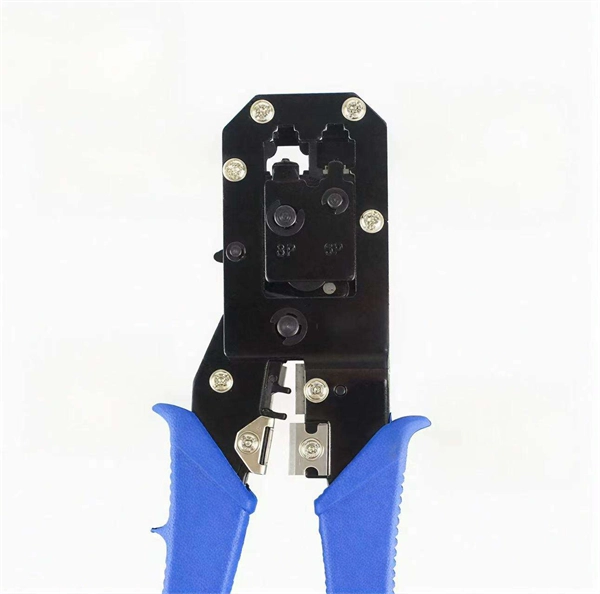
Telecommunication Fiber Optic Switches
Equipment illustration / verify against the selected product
Fiber Optic Switch: A Comprehensive Guide

In telecom networks, optical switches enable automatic protection switching (restoring traffic within 50 ms of a fiber cut), dynamic wavelength

Fiber Optical Switches – Secure And Reliable Solutions

Discover Fibersystem''s fiber optical switches for high-speed, secure, and reliable data management. Contact us to learn how they fit your network needs!

Fiber Optic Network Switches

Buy fiber network switches to extend ethernet network over fiber. Order Versitron high speed fiber optic network switches for fiber optic switches application. Our

Fiber Optic Switch: Types, Applications & Specifications | Opelink

A fiber optic switch is a critical passive component that enables dynamic routing of optical signals between different fiber paths in telecommunications networks, data centers, and test systems.

Fiber Optic Switches, Multiplexers, Demultiplexers

Fiber optic switches, multiplexers and demultiplexers block or route optical signals in a fiber optic network. Where switches simply block or pass optical signals on

Optical Switches

We lead the industry in optical switch technology, delivering the lowest insertion loss (0.2 dB), fastest switching speed (10 ns), broadest wavelength range (300–2400

Fiber Optic Switches

Sercalo Microtechnology''s SC type co-axial 1xN and 2xN fiber optic switches are based on a design where a single MEMS mirror redirects light from a common

Fiber Optic Switch & Optical Switch Types Factory/Manufacturers

Optical switches are essential in fiber-optic communication systems, especially in large-scale telecommunication networks and data centers. They are used for network protection, optical signal

What Are Optical Switches and How Do They Work?

Optical switches are devices that route light signals from one path to another without converting them into electrical signals first. They''re a core component in fiber-optic networks, where

All AI Data Center Interconnects Will Be Optical Within

All AI Data Center Interconnects Will Be Optical Within 5 Years InP and SiPho join CMOS as critical technologies. Lasers, CPO and OCS will be

Optical Transceiver Market Size & YoY Growth Rate, 2026-2033

Market Overview The optical transceiver market continues to grow as data centers, telecom operators, and enterprises rely increasingly on high-speed fiber-optic communication. Rising

Fiber Optic Solutions for High-Performance | Diamond SA

Innovating High-Performance Fiber Optic Solutions At DIAMOND, we combine decades of experience in high-performance fiber optic solutions with state-of-the

Telecom Fiber Infrastructure Solutions | FTTH, 5G & Rural

The Telecom Fiber Opportunity: 2025 Market Reality Global telecom operators invested approximately $340 billion in network infrastructure in 2024, with fiber optic cable representing roughly 30% of total

End to end fiber optic telecom network structure 1. Core

End to end fiber optic telecom network structure 1. Core Network (National Backbone) Internet Gateway (IGW) Core Routers DWDM Equipment OTN (Optical Transport Network) Long-distance fiber

Computer network

2007 map showing submarine optical fiber telecommunication cables around the world An optical fiber is a glass fiber that carries pulses of light that represent data via lasers and optical amplifiers. Some

February 2026: New Standards Shape

Overview In the rapidly evolving world of telecommunications and audio/video engineering, international standards are the backbone of

Optical Distribution Frame (ODF) in Telecom: Types & Uses

An Optical Distribution Frame (ODF) is a specialized enclosure designed to manage, connect, protect, and distribute fiber optic cables in telecom and data networks. Think of it as a

Fiber Optic Components Global Market Opportunities And Strategies

Table of Contents Fiber optic components refer to the range of physical devices and materials used to transmit, manipulate, amplify and receive light signals through optical fiber

Related Video Reference

This video was associated with the source search result. Verify technical details against current product documentation and project requirements.

Specify your fiber equipment

Share the fiber interfaces, termination capacity, cable route and evidence required for handover.

Send a project brief