
Fiber infrastructure reference
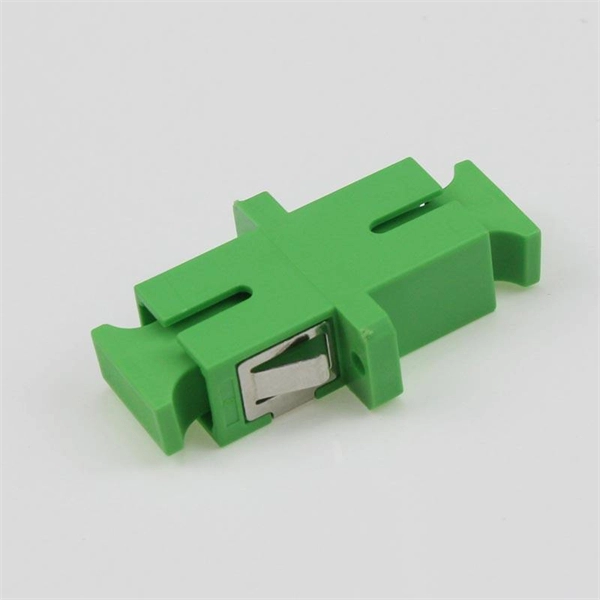
Fiber Optic Splitter: How It Works & Types Guide
Learn how fiber optic splitters work, types (PLC, FBT), and uses in FTTH/data centers. Understand signal splitting, key specs, and how to choose
Fiber Optic Splitters – Selection Guide for FTTH Networks
Learn how to choose the right fiber optic splitter for FTTH and FTTX deployments. Compare PLC splitter ratios, packaging types, and installation
Top 5 Fiber Optic Splitter Types and Their Applications in FTTH and
A fiber optic splitter is a passive component that divides an optical signal into two or more outputs or combines multiple signals into one. It functions much like a signal distributor in an optical system and
PLC Splitter for FTTH & GPON Networks Explained
🔹 PLC Splitter — The Backbone of FTTH & GPON Networks 🔹 A PLC (Planar Lightwave Circuit) Splitter is one of the most critical passive components in modern fiber optic infrastructure. It
Optical Splitters for Central Office/Headend
CommScope offers a portfolio of bare and connectorized splitters/couplers in a wide range of styles and split ratios, and splitter modules for inside plant (ISP) and
Everything You Need to Know about Applications of Fiber Splitter
Data centers heavily rely on fiber optic splitters for managing high-volume data transmission. Optical splitters distribute optical signals from fiber core switches to multiple racks or
Fiber Optic Splitter – High-Precision Optical Signal
Our Fiber Optic Splitters provide efficient, low-loss signal distribution, making them ideal for FTTH (Fiber to the Home), PON (Passive Optical Networks), data
Fiber Optic Splitters | How it works, Application
Explore the role, types, and significance of fiber optic splitters in telecommunication networks, along with understanding splitter loss.
The Working Principle and Application Scenarios of
Their ability to efficiently manage optical signals makes them indispensable in various applications, from telecommunications to data centers
How to Design FTTH Network Split Level and Split Ratio?
Learn how to design an efficient FTTH network by optimizing split levels and split ratios. Get deployment strategies for high-performance fiber
#keeworx #odf #fiberoptics #telecom #ftth #datacenter #
Introducing the New KeeworX 288F High Density ODF Frame Built for modern fiber infrastructure, the KEEWORX 288F ODF delivers maximum fiber capacity, organized cable management, and reliable
The Working Principle and Application Scenarios of
Conclusion Fiber optic splitters are fundamental to modern optical communication systems, enabling efficient signal distribution across a wide
FTTx Distribution Architectures: Centralized and
Splitter-based FTTx architectures are a compromise between cost and the flexibility of running fiber to every subscriber location. Instead of running fiber from the
Mexico Data Center Market Investment & Growth Report 2026-2031
The Mexico data center market is projected to surge at a 19.32% CAGR from 2025 to 2031, powered by increasing AI, IoT, and big data adoption, and a burgeoning digital economy. The
#keeworx #fiberoptics #odf #telecom #ftth #datacenter #
Proud to introduce one of our latest additions: KeeworX 288F High Density ODF, Engineered for modern fiber networks with high capacity, compact design, and reliable cable management built for
BizLink Telecom & Networking | Breakout & Splitter
Breakout & Splitter The system solutions are available in different lengths. Tailor-made solutions with cables and breakout or splitter assemblies according to
Optical Splitters: Split Ratios, Splitting Architectures & PON Network
This guide focuses on two critical aspects of optical splitters that define FTTH performance: split ratios (how signals are divided) and splitting architectures (how splitters are
Splitter
Splitters have RJ11 ports to connect the DSL modem and telephone devices to the splitter. Home Networking is connecting multiple electronic devices in a home. Splitters play a crucial role in home
Related Video Reference
This video was associated with the source search result. Verify technical details against current product documentation and project requirements.