
Fiber infrastructure reference
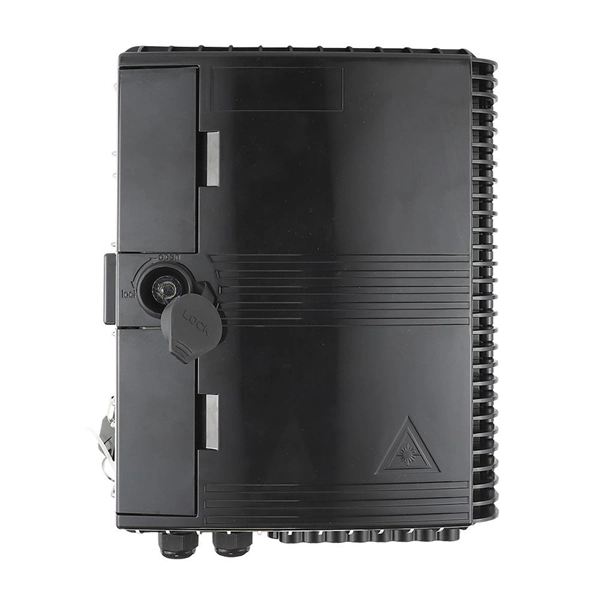
What Is Electric Power Secondary Equipment
Relay protection devices are among the most important secondary equipment in power systems. They continuously monitor the operating condition of the electrical system.
Substation Secondary Systems Design: Best Practices & Engineering
What is the purpose of secondary systems in a substation? Secondary systems protect primary equipment, enable control and monitoring, and ensure safe operation during both normal
Installation Precautions for Substation Secondary
In a substation, the secondary equipment provides the functional interface for the control, supervision, and protection of the network. The
Secondary Protection Relays | ABB
ABB''s Relion family of protection and control relays for secondary distribution offers a wide range of products for protection, control, measurement and supervision of power distribution systems for IEC
Substation Secondary Systems: Common Equipment
Examples include generators, transformers, switching devices, power lines, instrument transformers, and surge arresters. Secondary equipment includes the monitoring, control, protection,
Relay Protection in HV/MV Substations: Calculations, Settings
Relay protection is essential to ensure the stability, reliability, and safety of electrical power systems. In HV (High Voltage) and MV (Medium Voltage) substations, relay protection...
Research on fault diagnosis method of substation relay protection
Aiming at the problems existing in the fault diagnosis of power equipment by the traditional methods, this paper proposes a fault diagnosis method for the secondary circuit of substation relay
Essential Equipment You Must Know in a Substation
Secondary equipment refers to low-voltage electrical devices that monitor, control, regulate, and protect primary equipment. These systems also provide operational data, condition
Power System Protective Relays: Principles & Practices
Protective relays and devices have been developed over 100 years ago to provide “last line” of defense for the electrical systems. They are intended to quickly identify a fault and isolate it so the balance of
The difference between electrical primary equipment and secondary
Secondary equipment refers to the low-voltage electrical equipment required for monitoring, controlling, regulating and protecting the work of primary equipment and providing operating conditions or
UNIT 1 PROTECTIVE RELAYS
moval of faulty element. This entire process is automatic and fast, which is possible due to effective p otector relaying scheme. The protective relaying scheme includes protective current transformers,
Protective Relays: Types, Working Principle & Uses
Protective relays are power system protection devices that monitor current, voltage, frequency, impedance, or differential quantities and command circuit breakers when faults or
Types of Protective Relays
This article covers various types of protective relays, such as overcurrent, directional, and differential relays, highlighting their operating characteristics and applications in electrical systems.
CHAPTER-3
In some cases, local backup protection is justified. Local backup consists of two sets of independent primary protection and breaker-failure relaying. Ideally, this should include two independent sets of
What Is Electric Power Secondary Equipment
Learn what electric power secondary equipment is and how it works in power systems. Discover the functions of relay protection, measuring instruments, DC power supply systems, control
The Essentials of Relay Protection and Control in Power
Learn power system protection and control concepts, protection schemes and relays, primary & secondary equipment, and electrical wiring with practical
Transformer Protection Application Guide
Transformer Protection Application Guide This guide focuses primarily on application of protective relays for the protection of power transformers, with an emphasis on the most prevalent protection schemes
Primary and Secondary Protection Schemes
The Primary relay protection equipment is the first line of defence. The secondary relay scheme comes in line when the primary relay system fails to act. The Primary relay protection scheme can fail due to
Related Video Reference
This video was associated with the source search result. Verify technical details against current product documentation and project requirements.