
Fiber infrastructure reference
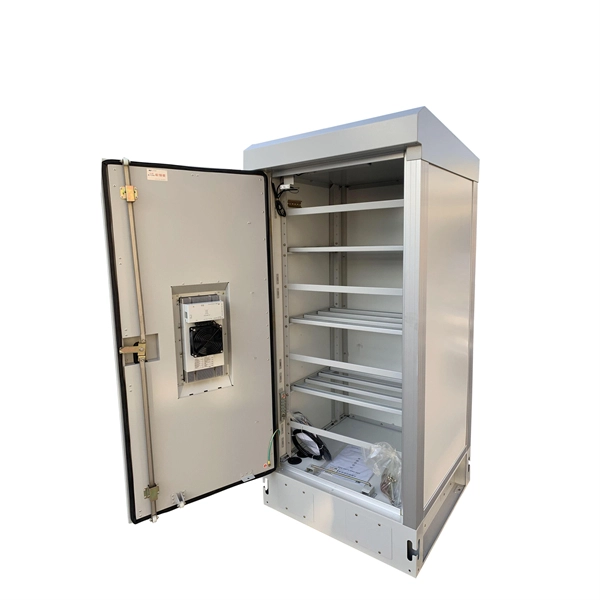
Understanding Primary, Secondary, and Tertiary Distribution Boxes
Learn about primary, secondary, and tertiary distribution boxes, their roles in electrical systems, and how they manage power distribution efficiently for various applications.
Wiring Standards for Secondary and Tertiary Distribution Boxes
Learn about the three-tier power distribution system (main secondary tertiary distribution boards) in a new residential area including their roles connections and safety measures for 0.4kV power supply.
Primary and secondary power distribution systems (layouts explained)
This explanation aims to clarify the roles and functions of primary, secondary, and tertiary distribution boxes, enhancing the understanding of these critical components in electrical distribution
The Meaning and Function of Primary, Secondary, and Tertiary
Secondary: Intermediate panel, routes power to buildings or zones. Tertiary: Final distribution point for equipment or household use. This structure ensures effective power management, safety, and
The Meaning and Function of Primary, Secondary, and Tertiary
This explanation aims to clarify the roles and functions of primary, secondary, and tertiary distribution boxes, enhancing the understanding of these critical components in electrical distribution
What are the primary, secondary and tertiary distribution
Primary distribution box: three-phase power supply, ground wire and zero wire are introduced from the transformer. Secondary distribution box: from the power line
What is the difference between primary, secondary and tertiary
The secondary distribution box is the distribution box to which the cables drawn from the primary distribution box are connected. 3. The third-level distribution box is the distribution box to
Secondary distribution box and tertiary cable
Learn about the three-tier power distribution system (main secondary tertiary distribution boards) in a new residential area including their roles connections and safety measures for 0.4kV power supply.
Electric power distribution
The purpose of connecting the customer''s system to ground is to limit the voltage that may develop if high voltage conductors fall down onto lower-voltage conductors which are usually mounted lower to
What are the differences between primary, secondary, and tertiary
The distribution box is divided into three types: primary distribution box, secondary distribution box, and tertiary distribution box. When a construction site needs electricity, a temporary substation is set up
Wiring Standards for Secondary and Tertiary Distribution Boxes
What are the primary, secondary and tertiary distribution boxes? Primary distribution box: three-phase power supply, ground wire and zero wire are introduced from the transformer.
Secondary power cabinet and distribution box
What are the primary, secondary and tertiary distribution boxes? Primary distribution box: three-phase power supply, ground wire and zero wire are introduced from the transformer.
The Meaning and Function of Primary, Secondary, and Tertiary
The terms primary, secondary, and tertiary distribution boxes are relative. Let''s make an example for clarity: A newly constructed residential area introduces a 10kV power line to a substation. From the
The difference between the first,second,and third levels of
What do the primary, secondary, and tertiary boxes of a distribution box mean? This is a relative issue. Let''s make a hypothesis: a newly built residential area introduces a 10kV incoming line
What are the Uses of Primary, Secondary and Tertiary Distribution Boxes
What are the Uses of Primary, Secondary and Tertiary Distribution Boxes? 1. Primary distribution box Construction power distribution cabinet for construction site construction power use,
Transformer Tertiary Winding Basic Application
A discussion focused on transformer tertiary winding, its role in voltage stabilization for wye-wye transformers, and performance during ground faults.
Grounding Practices in Power Distribution Systems
The installation of grounding methods for transmission lines is absolutely necessary in order to guarantee the safety, dependability, and effectiveness of power distribution systems.
Secondary grounding specifications for voltage
Secondary grounding specifications for voltage transformers and current transformers Voltage transformers and current transformers, as key