DOLPHIN FIBERNetwork equipment for Africa Send a project enquiry
Fiber network equipment / Technical library Optical reference library

Safety Measures for Tower Communication Operations

Jump to a section
Source context

AI source overview

Effective safety protection for communication tower operations relies on fall protection, RF hazard management, structural integrity checks, environmental monitoring, and adherence to OSHA and industry standards.

Fall Protection

Falls are the leading cause of fatalities in tower work, making fall protection the most critical safety measure. Workers must use full-body harnesses, shock-absorbing lanyards, and helmets, ensuring proper attachment to anchor points at all times. Safe climbing techniques, such as maintaining three points of contact and using fixed ladders or climbing devices, are essential.

Tools and materials should be secured to prevent falling objects, and all equipment must be regularly inspected for wear or defects.

RF and Electrical Safety

Communication towers often carry active antennas and electrical systems. Workers must be trained to recognize RF hazard areas and use personal RF monitors that alarm when exposure approaches the Maximum Permissible Exposure (MPE) limits. Before climbing, verify which antennas are active and request power reduction or shutdown if necessary.

Electrical hazards include contact with energized conductors; safe clearance distances, proper grounding, and lockout/tagout procedures for lighting and power circuits are mandatory.

Structural Integrity

Regular inspections of tower foundations, bolts, welds, and load-bearing components are crucial to prevent structural failures. Towers must comply with engineering standards such as TIA-222, which define load calculations, material specifications, and design criteria to withstand environmental stresses like wind, ice, and seismic activity.

Environmental Considerations

Weather conditions significantly impact tower safety. Operations should be suspended during high winds (typically above 35 mph), lightning, ice, rain, or snow. Continuous monitoring of forecasts and on-site conditions ensures climbers are not exposed to amplified risks at height.

Training and Workforce Management

All personnel, including subcontractors, must receive comprehensive training in climbing techniques, fall protection, RF safety, and emergency procedures. Employers share responsibility for supervision, equipment quality, and adherence to safety protocols. Safety culture is critical, especially in multi-tiered contracting environments where schedule pressures can compromise protective measures.

Regulatory ComplianceOSHA standards and the General Duty Clause require employers to provide a workplace free from recognized hazards. Best practices compiled by OSHA and the FCC provide guidance but do not replace legal obligations. Compliance with these standards, combined with industry-specific safety protocols, reduces the risk of injuries and fatalities.

Summary

Comprehensive safety protection for communication tower operations involves integrating fall protection, RF and electrical safety, structural integrity checks, environmental monitoring, proper training, and regulatory compliance. By following these measures, tower operators can significantly reduce hazards and ensure the safety of climbers and ground personnel.

Research context

Reference summary

Communication Tower Protection: A Complete 2026 GuideProtection for communication towers is an integrated system of safety measures designed to prevent str.

From reference to enquiry

Questions for your project

Use these editorial prompts alongside the linked excerpts. They identify items to confirm for your project.

Detailed reading / connection to installation

Fiber infrastructure reference
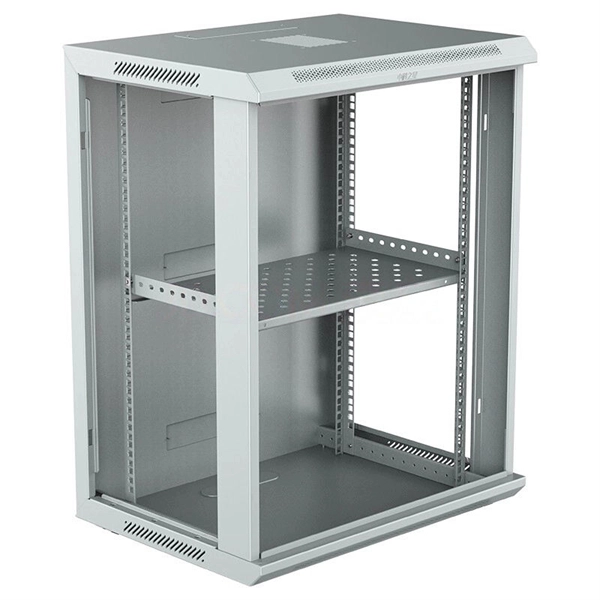
Safety Measures for Tower Communication Operations
Equipment illustration / verify against the selected product
Communication Tower Protection: A Complete 2026 Guide

Protection for communication towers is an integrated system of safety measures designed to prevent structural failure and injuries. It includes lightning protection, grounding, surge devices,

Communication Tower Best Practices

The following link provides valuable information to anyone wishing to develop a safety and health program, which can contribute to a culture of safety for communication tower employers and

A Guide to Understanding Telecom Tower Safety Standards

An expert guide to telecom tower safety standards. Explore the critical rules for structural design, construction, maintenance, and RF exposure to ensure network safety.

Communication Tower Best Pratices

Section II presents best practice bullets that identify generally applicable approaches to improving communication tower worker safety.

Communication Towers

This standard establishes minimum criteria for safe work practices and training for personnel performing work on communication structures including antenna and antenna supporting structures, broad-cast

Telecom Industry Safety and Compliance | EHS Services, Safety

Safe, compliant, and resilient telecom operations with TECH EHS. From tower safety audits to digital permit systems, smart EHS solutions tailored for telecom infrastructure safety.

F417-281-000 Communication Tower Operations: A Guide to

This orientation must cover all relevant safety and health requirements, including appropriate procedures for performing the crew members'' work tasks, the safety and health hazards associated with those

Working at Heights: Mast and Tower Safety for Telco Technicians

Learn critical mast and tower safety protocols for ISP & telco technicians, ensuring structural integrity, fall protection, and safe operations.

OSHA Booklet Compiles Best Practices for Communication Tower Work

OSHA recently published a booklet that provides safety information and best practices for preventing injuries among communication tower workers.

Telecommunications Tower Safety

Tower climbing safety essentials covering fall protection, RF exposure limits and OSHA compliance for telecom tower workers and cell tower technicians.

Communication Tower Safety Involves Many

Improve communication tower safety! Learn about OSHA guidelines, fall protection, & visual safety tools to reduce accidents.

Communication Tower Safety

What are some health and safety considerations involved in working with communications equipment installed on non-dedicated tower structures, such as water towers, buildings, silos,

Tower and Antenna Siting

Building a new tower or collocating an antenna on an existing structure requires compliance with the Commission''s rules for environmental

Occupational Safety Risks During Maintenance of

Discover the occupational safety risks of maintaining telecommunication towers and explore strategies to enhance worker protection.

Enhancing Safety at Tower Sites

This guide dives into the safety measures that can transform towers from potential hazards into safe, efficient workplaces.

Communications Tower Safety 101

Communications Tower Safety 101 Due to their height and complexity, communications towers pose unique risks to workers. According to the Occupational Safety and Health Administration (OSHA), 11

Occupational safety risks during maintenance of telecommunication towers

Only 20% of occupational safety items were in conformity. Implications for theory and practice: Suggestions on control measures were given and discussed for all four risks of accidents. Keywords:

Communication Tower Safety Best Practices

This document provides best practices for communication tower safety gathered from industry stakeholders. It outlines general best practices such as

Related Video Reference

This video was associated with the source search result. Verify technical details against current product documentation and project requirements.

Specify your fiber equipment

Share the fiber interfaces, termination capacity, cable route and evidence required for handover.

Send a project brief