DOLPHIN FIBERNetwork equipment for Africa Send a project enquiry
Fiber network equipment / Technical library Optical reference library

Relay Protection Equipment Maintenance Plan

Jump to a section
Source context

AI source overview

A comprehensive relay protection maintenance plan ensures reliable operation, regulatory compliance, and early detection of potential failures through structured testing, inspection, and documentation. Key Components of a Maintenance Plan1. Regulatory Compliance: A maintenance plan must comply with standards such as NERC PRC-005 and WECC guidelines, which require documented maintenance programs, periodic testing, and performance-based or time-based maintenance intervals for all protective relays and associated circuits.

2. Maintenance Types: Time-Based Maintenance (TBM): Scheduled inspections and tests at fixed intervals, typically ranging from 1 to 6 years for electromechanical relays, and up to 10 years for digital relays with self-diagnostics.

Performance-

Based Maintenance (PBM): Triggered by relay performance indicators, alarms, or diagnostic results, allowing maintenance to be performed only when necessary. 3. Testing Procedures: Primary Injection Testing: Verifies the entire protection system, including CTs, VTs, and relays, by injecting current into the primary circuit to simulate fault conditions.

Secondary Injection Testing: Tests relay operation without stressing the primary circuit, suitable for routine maintenance. Functional Testing: Includes lockout relay testing, trip circuit verification, and end-to-end system checks to ensure all components operate correctly together. Inspections: Visual checks, contact burnishing, cleaning, screw tightness, and environmental condition monitoring.

4.

Documentation and Record-

Keeping: Maintain detailed records of all tests, inspections, and repairs to demonstrate compliance and support audit readiness. Include test results, photos, timestamps, and any corrective actions taken. Digital checklists and mobile workflows can improve accuracy and efficiency.

5. Technician Training and Guidance: Ensure personnel are trained in relay testing, CT/VT circuits, secondary injection techniques, and protection schemes. Provide step-by-step procedures and access to relay-specific documentation during field maintenance.

6. Corrective Actions: Establish procedures to address unresolved maintenance issues promptly. Recalibrate or repair relays after major faults or repairs, and verify system integrity before returning to service.

7. Continuous Monitoring: Utilize self-diagnostic features of modern digital relays to monitor performance and detect degradation early. Implement pilot supervision, relay voltage supervision, and trip circuit supervision to maintain system reliability.

Recommended Maintenance Intervals

Electromechanical Relays: 1–6 years depending on criticality and environmental conditions. Digital Relays with Self-Diagnostics: Up to 10 years if combined with continuous monitoring.

Functional and End-to-

End Testing: At installation, after wiring changes, and at least every 2 years. Inspections and Minor Maintenance: Annually or as dictated by environmental conditions and operational experience.

Summary

A robust Relay Protection Device Maintenance Plan integrates regulatory compliance, structured testing, preventive inspections, documentation, and trained personnel. By combining time-based and performance-based maintenance, utilities can ensure relays operate reliably during rare fault events, reduce the risk of cascading failures, and maintain audit-ready records for NERC and WECC compliance.

Research context

Reference summary

Installing and Maintaining Protective Relay SystemsEnsuring that protection systems operate reliably is crucial, and a good preventive maintenance program.

From reference to enquiry

Questions for your project

Use these editorial prompts alongside the linked excerpts. They identify items to confirm for your project.

Detailed reading / connection to installation

Fiber infrastructure reference
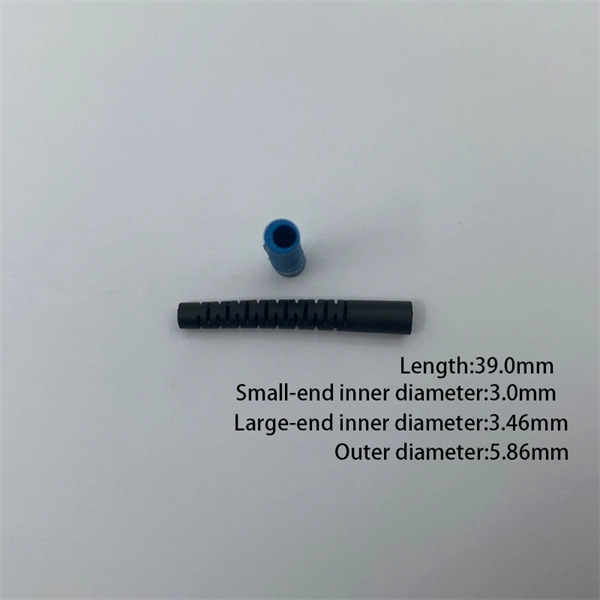
Relay Protection Equipment Maintenance Plan
Equipment illustration / verify against the selected product
Installing and Maintaining Protective Relay Systems

Ensuring that protection systems operate reliably is crucial, and a good preventive maintenance program ensures that protection and relay systems function properly without causing additional problems.

Relay Protection System Maintenance Checklist

A comprehensive relay protection system maintenance checklist ensures that every relay, control circuit, and protection scheme receives the

INSTALLATION AND MAINTENANCE GUIDELINE FOR

A preventive maintenance program should ensure the functionality of the relay system without causing additional problems in the process. This document establishes minimum guidelines for the

Relay Maintenance and Testing

ERS provides turnkey solutions for maintaining and testing electromechanical, solid-state, and microprocessor-based relays, as well as IEC 61850 IEDs, relay panels, and distributed protection

Testing and Maintenance of Protective Relays

The performance of protective relay is affected by maintenance. Basic requirements of sensitivity, selectivity, reliability and stability can be satisfied only if the maintenance is excellent.

TD-3323S

SUMMARY This utility standard establishes the requirements for testing and maintaining protection systems, automatic reclosing, and sudden pressure relaying. This document also directs personnel

Operation, maintenance, and field test procedures for protective relays

Operation, maintenance, and field test procedures for protective relays and associated circuits (photo credit: Omicron)

Maintenance for relay

Protective relays are decision-making elements in the protection scheme for electrical power systems. A strong test and maintenance program will keep protective relays in a high state of

Research on Relay Protection Equipment Maintenance Decision

Aiming at the research needs in the formulation of the current maintenance strategy plan for relay protection equipment, the maintenance decision-making method based on the reliability evaluation

Condition Based Maintenance Method for Power Relay Protection

The regular maintenance method can easily cause unnecessary maintenance, and excessive maintenance can lead to resource waste. This article introduced the concept of Full Life

Operation, maintenance, and field test procedures for

Plant protection system functional testing Protective circuit functional testing, including lockout relay testing, must take place immediately upon

Installing and Maintaining Protective Relay Systems

Introduction Relay systems protect high-voltage equipment and transmission lines to ensure safe, stable systems. Although failure of a protective relay system may have severe local or regional impacts,

Protective Relay Testing and Maintenance Overview

Protective relay testing may be divided into three categories: acceptance testing, commissioning, and maintenance testing. The selection of specific testing procedures depends on

PROTECTIVE RELAY TESTING

A comprehensive testing program should simulate fault and normal operating conditions of the relay. Acceptance testing, commissioning, and startup will include control power tests, current transformer

Microsoft Word

BACKGROUND The goal of testing relays is to maximize the availability of the protection and to minimize the risk of a misoperation. The paper “Philosophies for Testing Protective Relays” describes

Asset Management Plan Protection Relays

Protection relays are designed to trip circuit breakers in response to network faults or abnormal network conditions to prevent or minimise damage to plant and equipment, and play a significant role in

FIST 3-8-March18-2010

A qualified person must be properly trained, knowledgeable, and experienced in relay and protection system maintenance and safety, as well as testing techniques for specific protection equipment

INSTALLATION AND MAINTENANCE GUIDELINE FOR PROTECTIVE RELAY

A preventive maintenance program should ensure the functionality of the relay system without causing additional problems in the process. This document establishes minimum guidelines for the

Related Video Reference

This video was associated with the source search result. Verify technical details against current product documentation and project requirements.

Specify your fiber equipment

Share the fiber interfaces, termination capacity, cable route and evidence required for handover.

Send a project brief