
Fiber infrastructure reference
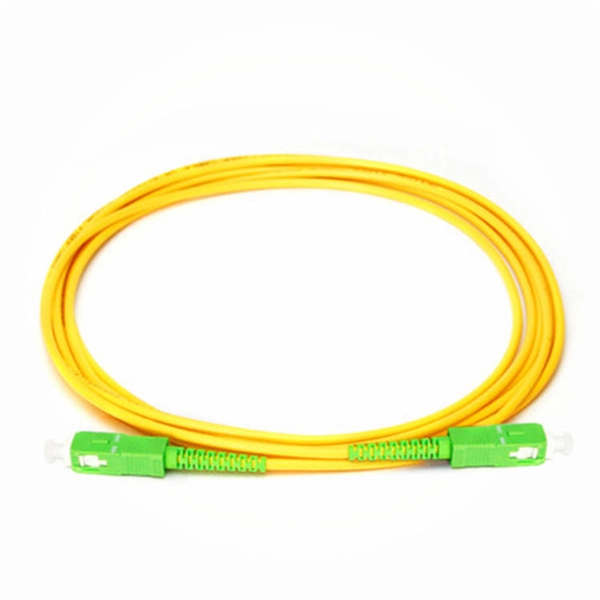
Specifying Cable Infrastructure in Hazardous Locations per NEC
While these three steps sound simple, interpretations of the regulations can present some ambiguity. All the details play an important role in a hazardous location installation. Choosing the appropriate cable
CABLETECH HAZARDOUS LOCATIONS
Optical fiber cable Types OFNP, OFCP, OFNR, OFCR, OFNG, OFCG, OFN, and OFC shall be permitted to be installed in cable trays or any other raceway in accordance with 502.10(B).
Explosion Proof Cable Trays in Chemical Plants
Essential guide to explosion proof Cable Trays in Chemical Plants. Learn about tray zoning, materials, design, installation, & safety for hazardous areas.
National Standard Specifications for Explosion-proof Cable Trays
This standard specifies the requirements for nonmetallic cable trays and associated fittings designed for use in accordance with the rules of the Canadian Electrical Code (CEC) Part 1, and the National
Cables and cable glands for hazardous locations
In Canada, a new edition (2018) of the Hazardous Location Cable and Cable Gland standard has been published, and this should help to clarify the intended range of cable types that could potentially be
Requirements for cable trays in explosive atmospheres
Let''s break down what you need to know about explosion-proof requirements for cable trays in these environments, keeping it simple and clear. Chemical plants have risks like explosive gases, dusts, or
Safely Installing, Maintaining and Inspecting Cable Trays
As with any electrical equipment, cable trays and the wiring contained in the trays must be listed, labeled or otherwise approved, pursuant to the requirements of 29 CFR § 1910.303(a).
7 Critical NEC Requirements for Hazardous Locations
Understand the 7 critical NEC requirements for electrical installations in hazardous locations to ensure safety compliance and protect your operations.
1910.307
Safe for the hazardous (classified) location. Equipment that is safe for the location shall be of a type and design that the employer demonstrates will provide protection from the hazards arising from the
Explosion-Proof Requirements Explained: IECEx, ATEX, Hazardous
Need guidance on explosion-proof compliance? ISEP Malaysia assists industrial facilities with hazardous area assessments, explosion-proof equipment selection, engineering consultation,
unsupervised_topic_modeling/topics/en/15/100/100/topics at
Contribute to annontopicmodel/unsupervised_topic_modeling development by creating an account on GitHub.
Cables and cable glands for hazardous locations
Cable glands (cable entry devices) used in hazardous locations are intended to provide the safe connection of suitable cables to enclosures, maintaining the explosion protection and ingress
A Capella: A Unique Compilation | PDF | Wellness
This document contains a long list of words beginning with "ab-" or "ac-". It does not appear to be a coherent text, but rather a collection of unrelated terms.
Types of cable for Flammable and Explosive Installations
Cable Types for Installation in Flammable and Explosive Environments Working in flammable or explosive environments such as petroleum plants, chemical manufacturing facilities, and mining
Installation_Guide_Hazardous_Areas_0908_CCS
Explosion proof transducers and wiring must be installed according to ANSI/UL 1203-1994, Explosion-Proof and Dust-Ignition-Proof Electrical Equipment for Use in Hazardous (Classified) Locations.
1910.307
Hazardous (classified) locations may be found in occupancies such as, but not limited to, the following: aircraft hangars, gasoline dispensing and service stations, bulk storage plants for gasoline or other
Cable Trays In Hazardous (Classified) Locations | Cable Tray Institute
Class I Locations Cable Trays have been permitted in the hazardous (classified) locations in the National Electrical Code for Class I (flammable vapor and gases) since the 1978 NEC and have been
Hazardous Locations: Safe Electrical Cable | IEC
Learn how to choose safe electrical cables for hazardous locations, including key safety standards, material considerations, and compliance