
Fiber infrastructure reference
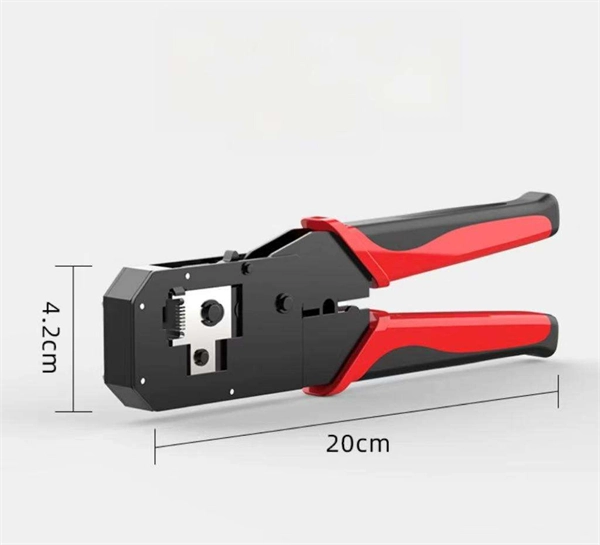
Fiber Optic Tools: A Professional Guide to Installation,
Explore essential fiber optic tools for installation, splicing, and testing. Learn how to choose professional tools for FTTH, data centers, and
Cable splicing: Professional connection for fiber optics & power lines
Learn how to splice cables professionally. Instructions for fiber optic and power cables. Precise, safe and efficient. Everything you need to know about cable splicing.
Fiber Optic Splicing Types, Methods, and Applications
Fiber optic splicing is essential for building and maintaining reliable, high-speed communication networks. By understanding its types, methods, and real-world
Fiber optic splice modules installation explained: How
With a 5-year guarantee and Europe-wide production, we offer the reliability that professional fiber optic networks need. Discover our complete
Optical Fiber Splicing: The Complete Technical Guide to
This guide breaks down the fundamentals of optical fiber splicing, compares fusion and mechanical techniques, explains factors that influence splice loss, and
Fiber Optic Installation
Our expert technicians perform professional termination and fusion splicing, ensuring every fiber connection achieves maximum efficiency, minimal signal loss, and industry-standard compliance.
Fiber Optic Splicing: A Complete Guide | Jonard Tools
In the ever-evolving world of high-speed connectivity, fiber optic technology serves as the backbone of modern communication networks. From massive data
The Complete Step-by-Step Guide to Fiber Optic Splicing
In this guide, we cover the basics of fiber optic splicing, how to perform splicing using two different methods, and finally some best practices to perform good
Cable Splicer Jobs, Employment in New York State | Indeed
60 Cable Splicer jobs available in New York State on Indeed . Apply to Splicer, Cable Installer, Telecommunications Technician and more!
Schwartz Splicing LLC
Schwartz Splicing - your trusted partner for professional splicing and cabling services. We specialize in high-quality splicing for fiber optic and copper cables, ensuring optimal performance and reliability for
How Anyone Can Splice Fiber Optic Cable | BroadbandSearch
Splicing fiber optic cable is the single critical skill to acquire when learning to install, maintain, and repair this new type of speedy internet.
Fiber Optic Splicing Services | Fusion and Mechanical Splicing and
iFiber Optix delivers professional fiber optic splicing services engineered for today''s most demanding network environments. Whether you need fusion splicing for permanent, ultra-low-loss connections
What is Fiber Optic Cable Splicing?
Fusion splicing is used by many telecommunications and cable television providers for long-haul single-mode networks, although mechanical splicing is used for shorter local cable lengths.
Expert Fiber Installation, Splicing Repair and
ProSplice offers fiber installation, splicing, repair, emergency restoration, DOT traffic control, project management and design/contract consulting to help optimize
Joining Fiber Cable – What Are the Options?
5 key skills for successful and safe fiber installations 3. Pre-Connectorized or Factory-Terminated Factory-terminated fiber cable comes direct from the manufacturer, where it is prepared under the
Cable splicing: Professional connection for fiber optics & power lines
Cable splicing: an indispensable tool in modern technology To summarize, cable splicing is an indispensable technique in modern technology. It allows for the efficient connection of fiber optic
Fiber Optic Cable Splice: The Most Complete Guide
Fiber optic cable splicing stands as the foundational skill enabling this vision, expertly uniting fiber strands to maintain flawless signal transmission.
Fiber Optic Cable Splicing: A Comprehensive Guide
Through splicing, fiber optic technicians can extend the length of the fiber to make it long enough for use in a required cable run. As fiber optic cables are generally only produced in lengths
Related Video Reference
This video was associated with the source search result. Verify technical details against current product documentation and project requirements.