DOLPHIN FIBERNetwork equipment for Africa Send a project enquiry
Fiber network equipment / Technical library Optical reference library

Principles of Generator Distribution Box Layout

Jump to a section
Source context

AI source overview

A generator distribution box layout should prioritize load balancing, voltage separation, protection, accessibility, and compliance with electrical standards to ensure safe and efficient power distribution.

Load Assessment and Distribution

Before designing a generator distribution box, calculate the total power demand of all connected loads, including continuous loads (motors, pumps) and intermittent loads (maintenance equipment, temporary workstations) to determine the rated current for each distribution box and avoid overloads. Strategically group high-power equipment near the distribution box to minimize cable length and reduce power losses, while low-power areas can be served with smaller feeders ( ).

Voltage and System Separation

Industrial and commercial facilities often operate at multiple voltage levels (e.g., 400V, 1kV, 10kV). The layout should separate different voltage systems to prevent interference and ensure safety. Box-type substations can integrate medium-voltage switchgear, transformers, and low-voltage distribution equipment into a compact unit, allowing voltage transformation closer to load centers and reducing cable runs ( ).

Protection and Safety

Select distribution boxes with appropriate protection devices such as circuit breakers, fuses, and arc-fault protection based on fault risk. Ensure coordination of protection between upstream and downstream devices to prevent cascading failures. Compliance with NEC, NFPA 70E, ANSI, IEEE, and UL standards is essential for safe operation and regulatory adherence ( ).

Equipment Placement and Accessibility

Arrange components to allow easy access for maintenance and inspection. Allocate extra space (typically 20%) for future upgrades or modifications. Cable entry points should be positioned to avoid environmental hazards like water ingress, and components should be organized logically to simplify troubleshooting ( ).

Scalability and Redundancy

Design the layout to accommodate future load growth and potential system expansions. Consider redundant feeders or parallel paths for critical loads to enhance reliability. Prefabricated or modular distribution boxes can facilitate rapid deployment and flexible reconfiguration ( ).

Cable Routing and Management

Minimize cable lengths and avoid sharp bends to reduce voltage drop and mechanical stress. Clearly label all feeders and circuits, and separate high-current cables from sensitive control wiring to prevent electromagnetic interference ( ).

Environmental and Regulatory Considerations

Ensure the distribution box is suitable for the installation environment (indoor, outdoor, temperature, humidity). Follow local codes for hazardous locations, emergency systems, and special occupancy requirements. Incorporate energy-efficient practices and, where applicable, renewable energy integration to support sustainability goals ( ).

By following these principles, a generator distribution box layout can achieve safe, reliable, and efficient power delivery, while remaining adaptable to future operational needs and regulatory requirements.

Research context

Reference summary

Cable Distribution Box Layout: 10 Industrial StrategiesFollow the core layout principles to ensure that the cable distribution box network is efficient, ea.

From reference to enquiry

Questions for your project

Use these editorial prompts alongside the linked excerpts. They identify items to confirm for your project.

Detailed reading / connection to installation

Fiber infrastructure reference
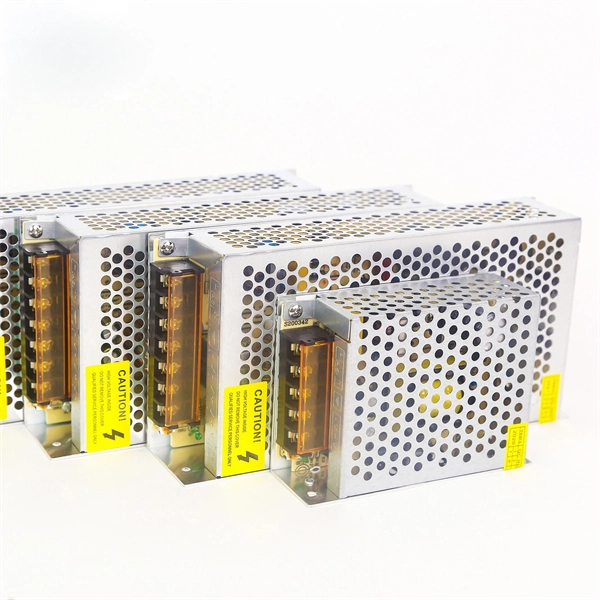
Principles of Generator Distribution Box Layout
Equipment illustration / verify against the selected product
Cable Distribution Box Layout: 10 Industrial Strategies

Follow the core layout principles to ensure that the cable distribution box network is efficient, easy to maintain, and scalable. The cable distribution

Basics of power system design

The best distribution system is one that will, cost-effectively and safely, supply adequate electric service to both present and future probable loads—this section is intended to aid in selecting, designing and

Planning of Electric Power Distribution

This manual about the technical principles of planning shall assist you in sizing the superordinate components for technical installations in buildings properly even in these initial project stages.

Power Distribution Systems

The best distribution system is one that will, cost-effectively and safely, supply adequate electric service to both present and future probable loads—this section is intended to aid in selecting, designing and

Distribution Board Design: Standards, Surge Protection & Smart

Discover the essentials of distribution board design to enhance electrical safety and efficiency in your projects. Read more in our informative blog post!

Power Distribution Layout Using Box-Type Substations

Learn how a power distribution layout works with box-type substations, including system structure, applications, and design considerations.

Distribution Box Guide: Types, Components & Solutions

Understand distribution boxes (DB boxes) in 5 minutes. Learn about types, components, functions, and uses. Find the perfect DB box for your needs.

Distribution Box and Selection Guide: Internal Structure, Components

Learn how to choose a distribution box and understand its internal structure, including MCBs, busbars, neutral bars, earth bars, RCDs, RCBOs, SPDs, enclosure ratings, and wiring layout.

Understanding the Schematic Diagram of an Outdoor Power Box:

Learn how to interpret and optimize the layout of outdoor power boxes for renewable energy systems and industrial applications.

Industrial Plant Distribution Box Layout and Power Distribution

The distribution box isn''t just metal and wires - it''s the control center deciding which equipment gets power, how much, and when. Get its layout wrong, and you''re building headaches

2. Generator Basics IEEE

Generator Arrangement • Most modern, larger generators have a stationary armature (stator) with a rotating current-carrying conductor (rotor or revolving field).

Designing of HV Power Substation and Layout

Designing a power substation consider an earthing and bonding system, layout, different layouts single busbar, mesh, one, half circuit breaker layout

Cable Distribution Box Layout: 10 Industrial Strategies

Optimize your cable distribution box layout for safety and efficiency. Learn industrial best practices using Chuanli''s IEC-standard outdoor and custom

Basics of power system design

In order to design the best distribution system, the system design engineer must have information concerning the loads and a knowledge of the types of distribution systems that are applicable. The

Generator Room Design Requirements | Thompson Machinery

Looking to design a compliant generator room? Discover sizing, layout and access requirements, and planning strategies to meet NFPA and OSHA standards.

Power Distribution Systems

In order to design the best distribution system, the system design engineer must have information concerning the loads and a knowledge of the types of distribution systems that are applicable. The

The essentials of electrical distribution systems every

Electrical distribution systems are an essential part of the electrical power system. In order to transfer electrical power from an alternating current (AC)

Power Plant Electrical Distribution Systems

Learning Objectives Upon completion of this course one should be able to understand the role of the following equipment in a power plant distribution system: Main electrical generator, isolated phase

Specify your fiber equipment

Share the fiber interfaces, termination capacity, cable route and evidence required for handover.

Send a project brief