
Fiber infrastructure reference
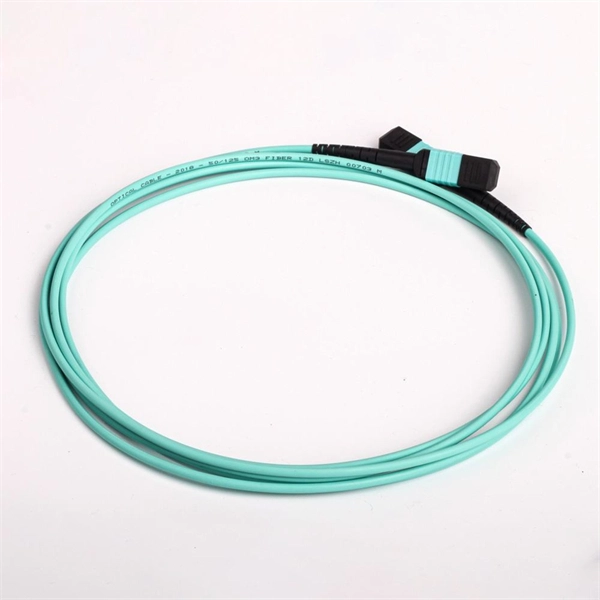
Differences Between Switch Optical Ports and Electrical
The following information outlines the differences between switch optical ports and electrical ports, compiled by Walsun. Optical ports on switches
What is Differences Between Switch Optical Ports and Ethernet Ports
Switches come in three types: those with purely Ethernet ports, those with purely optical ports, and those with a combination of both. Port types are limited to two: optical and Ethernet.
What Are Optical Switches and How Do They Work?
Explore the mechanisms and advantages of optical switching—the future of data routing that uses light instead of electricity.
Optical Switches
Designed for durability and precision, our optical switches support single-mode and multimode fiber types with low insertion loss, high return loss, and reliable
All-Optical Ethernet Switch Explained: Features and Benefits
An all-optical Ethernet switch is a network switch whose service ports are entirely optical, meaning every interface uses fiber rather than copper. This design enables end-to-end optical signal
Common Interface Standards and Rates of Optical Port Switches
The core of an optical port switch ''s interface lies in its optical modules, while the ports on the switch panel (such as SFP/SFP+/QSFP28 slots) are designed to accommodate these modules.
H+S Polatis
Software Defined Networking enabled All Optical Switches. Industry leading performance - optical loss below 1dB. Customized MxN configurations up to 384x384 ports, SDN enabled with embedded
AOC, DAC, Fiber Optic Transceivers | One-Stop Shop for Datacenter
Online shopping. w/24h-delivery, 7Days & Refund Guarantee. CE, RoHS and ISO9001 Certified. SFP+ Cables, QSFP+ Cables, MiniSAS Cables, XFP Cables, CX4 Cables and Fiber Optic Transceivers.
NVIDIA Corporation
1.6 Terabits Per Second Per Port Switches to Deliver 3.5x Energy Savings and 10x Resilience in AI Factories Joint Inventions and Collaborations With TSMC, Coherent, Corning
Optical Digital Audio Cable & Connection Explained
You can use an optical digital audio out for 5.1 surround sound, but is this the best connection to use? Learn more in this guide to TOSLINK optical audio.
Small Form-factor Pluggable
The advantage of using SFPs compared to fixed interfaces (e.g. modular connectors in Ethernet switches) is that individual ports can be equipped with different types of transceivers as required, with
Fiber Optic Hardware | Fiber Panels, Housings, Racks, and
Fiber Optic Hardware Corning has a wide variety of hardware solutions to choose from to fit your cabling needs. Choose from racks, panels, modules, splice trays, ethernet fiber switches and other
Mastering Cisco Optics: Understanding TX/RX Light Levels
Optical Receive Power (RX): The most critical metric. This tells you how much light is making it through the fiber cable to your switch. Thresholds (Alarm/Warn): These are hard-coded
SFP+, XFP, QSFP+, DAC Twinax Cable 10Gtek Transceivers Co., Ltd
DAC Twinax Cable Maker. CE, FCC, RoHS, ISO9001 Certified. Professional Manufacturer focusing on SFP+ Cables, QSFP+ Cables, MiniSAS Cables, QSFP Cables, XFP Cables, CX4 Infiniband Cables
NADDOD NVIDIA/Mellanox MMS4C11 (980-9IAU1-00XM01)
The 1.6T OSFP 2xDR4 transceiver integrates two independent 4-lane optical engines, each terminated with an MPO-12/APC connector, providing a total of eight parallel optical lanes. This architecture is
Online Bulk Cable Company | CableWholesale
As a premier online bulk cable company, CableWholesale carries a large inventory of computer cables, USB, HDMI, fiber optic, VGA cables, and more. Shop now!
Cisco Networking for Service Providers
Cisco Routed Optical Networking Converge IP and optical layers for scalable, efficient, and reliable connectivity—while reducing CapEx, energy costs, and operational complexity.
Silicon Photonics Networking for Agentic AI | NVIDIA
Dive Into NVIDIA Co-Packaged Optics-Based Switches Take a look inside NVIDIA silicon photonics-based networking switches that simplify manageability and design, enabling more power for compute
Related Video Reference
This video was associated with the source search result. Verify technical details against current product documentation and project requirements.