DOLPHIN FIBERNetwork equipment for Africa Send a project enquiry
Fiber network equipment / Technical library Optical reference library

Optical Module and Optical Lens

Jump to a section
Source context

AI source overview

Optical modules are integrated optoelectronic devices for converting electrical signals to optical signals and vice versa, while optical lenses are components that focus or manipulate light for imaging or measurement purposes.

Optical Modules

Definition and Function: An optical module is a compact, often hot-pluggable device used in high-bandwidth data communications and optical fiber systems. Its primary function is photoelectric and electro-optical conversion, meaning it converts electrical signals into optical signals for transmission and converts received optical signals back into electrical signals for processing. Optical modules operate at the physical layer of communication systems and are essential in applications such as Ethernet, Fibre Channel, InfiniBand, and data center interconnects.

Structure: Optical modules typically consist of: Optoelectronic components: Transmitters (TOSA) and receivers (ROSA) that handle light emission and detection. Functional circuits: Driver chips and preamplifiers that modulate and amplify signals. Optical interfaces: Connectors and fiber adapters for linking to optical fibers.

Housing and protective elements: Dust caps, boots, and labels for protection and identification. Working Principle: Electrical signals enter the module through the transmitting interface. Driver circuits modulate a laser diode (LD) or LED to emit optical signals.

The optical signals travel through fiber optics to the receiving module. A photodetector diode converts the optical signals back into electrical signals, which are then amplified and outputted. Applications: Optical modules are widely used in telecommunications, data centers, industrial measurement, and AI-driven optical systems.

They are critical for high-speed data transmission and are increasingly miniaturized to meet space and performance requirements.

Optical Lenses

Definition and Function: An optical lens is a transparent component designed to focus, diverge, or manipulate light. Lenses are fundamental in imaging systems, microscopes, cameras, and industrial measurement devices. They work by bending light rays through refraction to form clear images or direct light efficiently.

Key Characteristics: Aperture and focal length: Determine the amount of light captured and the magnification. Aberration control: High-quality lenses minimize distortions for accurate imaging. Material and coatings: Glass, plastics, or specialized coatings enhance performance for specific wavelengths or applications.

Applications: Optical lenses are used in medical imaging, industrial inspection, scientific research, and consumer electronics. They can be integrated into optical modules to improve signal quality or into standalone systems for precise light manipulation.

Integration and Differences

Optical modules are active devices that include electronics and light sources for signal conversion. Optical lenses are passive components that shape or focus light without converting it between electrical and optical forms. In many systems, lenses are incorporated into optical modules to enhance signal transmission, focus light onto photodetectors, or improve imaging resolution.

In summary, optical modules and lenses serve complementary roles in optical systems: modules handle signal conversion and transmission, while lenses manage light propagation and imaging quality. Both are essential for modern optical communication, industrial, and research applications.

Research context

Reference summary

The Most Comprehensive Guide Of Optical ModulesExplore the ultimate guide to optical modules. Learn types, functions, performance metrics & how to choose t.

From reference to enquiry

Questions for your project

Use these editorial prompts alongside the linked excerpts. They identify items to confirm for your project.

Detailed reading / connection to installation

Fiber infrastructure reference
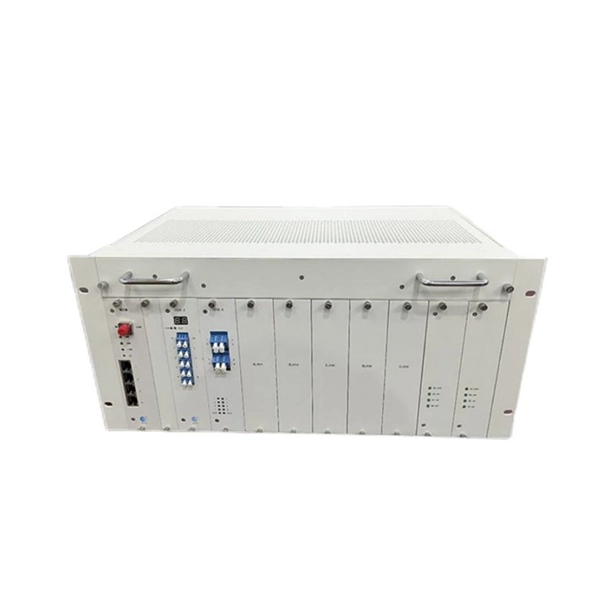
Optical Module and Optical Lens
Equipment illustration / verify against the selected product
The Most Comprehensive Guide Of Optical Modules

Explore the ultimate guide to optical modules. Learn types, functions, performance metrics & how to choose the right module for your fiber network.

Optical and optoelectronics modules | An overview

We manufacture individual optical and optoelectronics OEM modules for our customers. The tasks and solutions are diverse and range from classic lenses

Custom Optical Lens & Lens Module

Based on our deep experience in optical manufacturing and laser optics, we offer a comprehensive selection of optical lenses and components for R&D and

TI DLP® System Design: Optical Module Specifications

This document focuses on projection optical modules that incorporate Texas Instruments'' DLP Display chips and are designed to project an image onto a surface for a variety of applications, including

Optical Module Guide: Demystifying Optical Modules

Optical modules are compact devices that convert electrical signals into optical signals and vice versa. They are used in fiber optic communication

Optical module – A comprehensive exploration

It mainly performs photoelectric and electro-optical conversion, that is, the transmitting end of the optical module converts electrical signals into

Optical modules & systems | An overview

The development and production of optical components is our special discipline. With many decades of experience and comprehensive

Understanding Optical Modules: Working Principles, Structures, and

Explore the working principles, structures, and performance metrics of optical modules, essential components of optical fiber communication systems. Learn about key indicators such as

Internal Structure of Optical Modules

The internal design of an optical module aims to ensure efficient and stable electro-optical conversion while addressing factors like heat dissipation, protection, and cost.

Find & Compare Optics | Photonics Services

Search for and compare optical components from manufacturers around the world, or for custom jobs we''ll match you with an industry expert service provider.

Source Photonics to Expand Optical Chip and Module Production

Source Photonics is one of the world''s leading optical communications suppliers, with operations spanning optical chip R&D, wafer manufacturing, packaging and testing, and optical

Optical Module MCUs Become Critical as AI Data Centers Drive

MCU chips powering optical modules have emerged as a critical semiconductor segment driven by the AI data center construction boom, with prices rising approximately 40% year-to-date

Preventive Maintenance of Fiber Optic Cables and Optics

OF FIBER OPTIC CABLES AND OPTICS cable and the inner surface of an optical module lens surfaces that should be properly cleaned and maintained to reliability and system performance. Small oil micro

iPhone 16 Pro: How to Use 5x Optical Zoom

Both the iPhone 16 Pro and iPhone 16 Pro Max feature a tetraprism lens system capable of up to 5x optical zoom. That''s an improvement over last year''s smaller iPhone 15 Pro model, which

M12 Lenses and C-Mount Lenses for Embedded

C-Mount Lenses Industrial-grade lenses for high-precision machine vision applications. Engineered for larger format sensors with superior optical

Optics, Photonics & Laser Systems Market Size, Share & Trends

Optics, Photonics & Laser Systems Market Segmentation Insights Product Type Lasers segment is expected to account for a significantly large revenue share in the global Optics, Photonics

AI Data Center Optical Transceiver Module Market 2025–2030

The AI-driven demand for optical transceivers represents the most significant growth catalyst in the optical communications industry.

Optical module design resources | TI

View the TI Optical module block diagram, product recommendations, reference designs and start designing.

Related Video Reference

This video was associated with the source search result. Verify technical details against current product documentation and project requirements.

Specify your fiber equipment

Share the fiber interfaces, termination capacity, cable route and evidence required for handover.

Send a project brief